Biografie artist
Magdalena Carmen Frida Kahlo y Calderón: O Viață Pictată în Durere și Pasiune
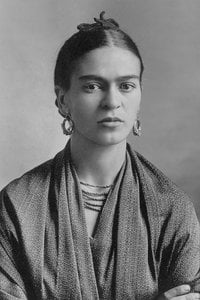
Frida Kahlo, un nume devenit sinonim cu reziliența, auto-portretul introspectiv și o celebrare a identității mexicane, a fost mult mai mult decât o simplă artistă. Magdalena Carmen Frida Kahlo y Calderón, născută pe 6 iulie 1907 în Coyoacán, Mexicul, a trăit o viață marcată de suferință fizică și emoțională intensă, experiențe care au alimentat cu o forță neîntrecută imaginile simbolice și profund personale pentru care este recunoscută astăzi. Crescută într-o familie în care tatăl ei, Guillermo Kahlo, un fotograf german-mexican, a cultivat-o intelectual și artistic încă de mică, Frida a fost supusă unor provocări timpurii. La vârsta de șase ani, contractarea poliomielitei i-a lăsat o cicatrice permanentă, o infirmitate care ar deveni un fir roșu ce străbate întreaga sa existență și creație. Această primă confruntare cu fragilitatea corpului a modelat perspectiva ei asupra trupului uman, a durerii și a capacității de a persevera în fața adversității.
Accidentul Destinului și Nașterea Auto-Portretului
Viața Fridei a luat o turnură dramatică în 1925, când un accident devastator de autobuz i-a provocat răni catastrofale – fracturi ale coloanei vertebrale, bazinului și piciorului. Imobilizată pentru o perioadă lungă de timp, adesea constrânsă la pat și încorsetată în gips, Frida s-a refugiat în pictură. Mama ei i-a amenajat un suport special pentru pânză, transformând limitele fizice într-un spațiu de explorare artistică. A fost în această perioadă că Frida a început să exploreze auto-portretul cu o intensitate fără egal. Incapabilă să se aventureze în lume, și-a îndreptat privirea spre interior, documentându-și meticulos propria imagine ca pe un mijloc de a înțelege și confrunta durerea, atât fizică cât și emoțională. Aceste prime lucrări nu erau simple reprezentări ale chipului ei; erau explorări vii ale identității, vulnerabilității și puterii umane de a rezista. Accidentul nu a fost doar o tragedie, ci un catalizator care i-a dezlănțuit potențialul artistic, forțând-o să se confrunte cu propria mortalitate și să găsească sens în suferință.
Căsnicia Turbulentă cu Diego Rivera și Influențe Artistice
O altă cotitură decisivă a vieții Fridei a fost căsătoria sa, în 1929, cu muralistul renumit Diego Rivera. Relația lor a fost una pasională, dar tumultoasă, marcată de iubire intensă, infidelitate, rivalitate artistică și perioade de separare și reconciliere. În ciuda acestor turbulențe emoționale, Rivera s-a dovedit a fi o influență semnificativă asupra dezvoltării artistice a Fridei. El i-a încurajat viziunea unică, oferind critici constructive, recunoscând în același timp puterea brută și originalitatea muncii sale. Sub îndrumarea lui, și prin propria ei experimentare neîncetată, stilul Fridei a început să se contureze, îmbinând elemente din arta populară mexicană, realism și suprarealism într-un limbaj vizual distinctiv. Picturile ei au devenit tot mai simbolice, explorând teme precum identitatea, corpul uman, durerea, moartea și complexitățile experienței feminine. Nu a ezitat să își descopere propria suferință; dimpotrivă, a îmbrățișat-o ca pe o temă centrală în opera sa, transformând trauma personală în declarații universale despre condiția umană. Influențele sale artistice au fost diverse, de la maeștrii Renașterii europene până la artiștii populari mexicani, dar a reușit să creeze un stil inconfundabil, profund personal și emoțional.
Simbolismul Durereii, Rezilienței și Identității în Opera Sa
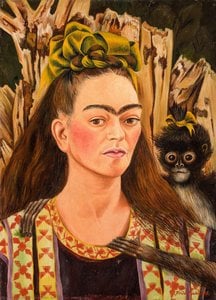
Frida Kahlo este poate cea mai cunoscută pentru auto-portretele sale, caracterizate prin onestitatea neînfricată și profunzimea simbolică. Lucrări precum The Two Fridas (1939), o reprezentare puternică a dualității identității sale după divorțul de Rivera, demonstrează abilitatea ei de a exterioriza conflictele interne prin metafore vizuale izbitoare. Self-Portrait with Thorn Necklace and Hummingbird (1940) este încărcată de simbolism – spinii reprezentând durerea, colibriul simbolizând speranța și reziliența, iar pisica neagră un vestitor al ghinionului. The Broken Column (1944), o portretare cutremurătoare a suferinței fizice, o înfățișează pe Frida cu trunchiul despicat pentru a dezvălui un stâlp ionic prăbușit în locul coloanei vertebrale, ținut laolaltă de curele și străpuns de ținte. Chiar și Henry Ford Hospital (1932), o reprezentare crudă și profund personală a avortului suferit, demonstrează disponibilitatea ei de a confrunta subiecte tabu cu onestitate neînfricată. Aceste picturi nu sunt simple reprezentări ale durerii; sunt acte de sfidare, afirmații ale sinelui în fața adversității.
Moștenirea unei Icone Artistice
Influența Fridei Kahlo se extinde dincolo de domeniul artei. A fost o iconă culturală care a contestat rolurile tradiționale de gen și așteptările societale prin viața și opera sa. Îmbrățișarea culturii mexicane și a identității sale a contribuit la creșterea profilului acesteia pe scena internațională, iar portretizarea neînfricată a durerii a rezonat cu publicul din întreaga lume, făcând-o un simbol al rezistenței și puterii. A devenit o figură importantă pentru Chicanos în Statele Unite, reprezentându-le moștenirea culturală și luptele lor. Deși a refuzat să fie clasificată ca suprarealistă, opera sa împărtășește afinități cu explorarea subconștientului și imagini onirice caracteristice acestui curent artistic. Astăzi, Frida Kahlo este celebrată ca una dintre cele mai importante artiste ale secolului al XX-lea, iar moștenirea ei continuă să inspire generații să își îmbrățișeze identitatea, să înfrunte adversitatea și să se exprime autentic. Arta sa rămâne o mărturie a puterii de nezdruncinat a spiritului uman de a găsi frumusețe și sens chiar și în cele mai întunecate momente.



 Previzualizare
 Switch to Print
 Trimite
 Distribuie
 Detalii despre lucrare

 Descarcă
 Produse similare
 Radiografie
 Diapozitive automate
 Stats
Stats


 Vezi mai mult