CONSULTAȚIE GRATUITĂ ÎN ARTE VIZUALE

x
Comandă tipăritul Comandă tipăritulComandă reproducere pictată Comandă reproducere pictată TrimiteTrimite
DetailsDetails Adaugă la favorite Adaugă la favorite DescarcăDescarcă SimilareSimilare X-RayX-Ray DiaporamaDiaporama

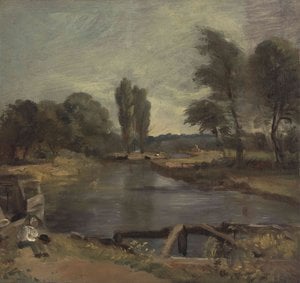
Landscape

Discover 'Landscape' by Frederick William Jackson – a serene impressionist painting of a rural village. Explore its rich colors & evocative brushwork. A timeless piece for art collectors.

Descoperă operele lui Frederick William Jackson (1843-1942), un fotograf pionier și artist impresionist care a surprins frumusețea extraordinară a Vestului american și cultura nativă! Admirați Yellowstone și picturile sale emblematice pentru a înțelege moștenirea artistică a unei epoci!

Achiziționați o imagine digitală îmbunătățită și de înaltă rezoluție, mult superioară previzualizării online.

Fiecare fișier este pregătit cu meticulozitate de specialiștii noștri interni, utilizând instrumente avansate și retușare manuală expertă. Ne asigurăm că fiecare imagine beneficiază de o claritate excepțională, o acuratețe precisă a culorilor și detalii fine.

Fișierul final este livrat prin e-mail în termen de 72 de ore, optimizat pentru utilizare imediată în medii profesionale, editoriale și de imprimare. Aceasta este aceeași calitate în care au încredere studiouri de design, edituri și galerii de top.

Imagine Digitală

Descărcați un fișier la rezoluție înaltă pentru afișare personală, imprimare și proiecte creative.

Preț total

$9.99

Inclus în fiecare comandă de imagini digitale

Livrare digitală de expertiză, garantată

Când alegeți WahooArt.com, nu primiți doar o simplă imagine – primiți o operă de artă digitală îmbunătățită profesional, creată cu precizie și susținută de o garanție de satisfacție. Iată tot ceea ce primești odată cu comanda ta, în mod automat:

shipping_icon
Livrare rapidă prin e-mail

Fișierul imaginii digitale la rezoluție înaltă vă va fi trimis prin e-mail în termen de 72 de ore de la finalizarea comenzii – gata pentru utilizare imediată.

canvas_icon
Fișier digital optimizat prin IA

Opera ta de artă este optimizată profesional prin intermediul unor instrumente AI avansate și al editării manuale, asigurând un nivel maxim de detalii, claritate și acuratețe a culorilor.

insurance_icon
Retransmitere gratuită pe viață

Ai șters sau ai pierdut din greșeală fișierul? Nu îți face griji – ți-l vom retrimite oricând, gratuit.

tax_icon
Fără taxe de import – Întotdeauna

Bucură-te instant de opera ta de artă, fără taxe vamale, taxe de import sau costuri de livrare – descărcările digitale sunt întotdeauna fără taxe.

color_icon
Garanția acurateței culorilor

Asigurăm că imaginea ta digitală reflectă culorile originale cât mai fidel posibil, utilizând instrumente profesionale și procese de gestionare a culorii.

return_icon
Garanție de satisfacție de 60 de zile

Dacă nu sunteți mulțumit de imaginea digitală achiziționată, o vom revizui sau vă vom returna 100% în termen de 60 de zile – fără nicio explicație necesară.

guarantee_icon
Garanție de returnare 100% a banilor

Nu ești mulțumit? Obține o rambursare completă în termen de 60 de zile de la primirea fișierului tău digital – fără întrebări.

discount_icon
Reduceri pentru comenzi multiple

Cumpără 3 imagini, economisește 10% - Cumpără 5, economisește 15% - Cumpără 10+, economisește 20%. Ideal pentru proiecte creative, galerii și agenții.


Biografie Artist

Early Life and Artistic Foundations

Frederick William Jackson, born on April 4th, 1843, in the small New York community of Keeseville, emerged from a family that nurtured artistic inclination. His father, George Hallock Jackson, provided stability, while it was his mother, Harriet Maria Allen—a skilled watercolorist herself—who first ignited within him a passion for visual expression. From a young age, Frederick demonstrated a natural talent, receiving foundational training directly from her practiced hand. This early exposure wasn't merely technical; it instilled in him an appreciation for the subtleties of light and color that would permeate his later work. He absorbed the lessons of Barbizon painters—artists who championed realism and celebrated the grandeur of rural landscapes—establishing a stylistic bedrock for his artistic endeavors. However, Jackson’s path was soon diverted by the tumultuous events unfolding across the nation. In October 1862, he enlisted in the 12th Vermont Infantry, serving for nine months during the Civil War. This period proved formative not through battle, but through observation. He meticulously sketched scenes of army life—the weariness of soldiers, the starkness of camp settings, and the quiet moments between engagements—laying the groundwork for a lifelong dedication to documenting the world around him with an artist’s eye. This meticulous attention to detail would later translate into his photographic work. Following his service, he briefly established himself as an artistic painter in Rutland, Vermont, but the lure of something more expansive beckoned.

Westward Expansion and Photographic Pioneering

In 1866, Jackson embarked on a transformative journey westward, traveling along the newly constructed Union Pacific Railroad. This wasn’t simply a relocation; it was an immersion into a landscape undergoing rapid change—a land of vast prairies, towering mountains, and diverse cultures. He immediately recognized the potential of photography to capture this evolving frontier, perceiving its ability to convey grandeur and inspire awe. Recognizing this vision, he partnered with Edward Jackson in Omaha, Nebraska, establishing a photographic studio in 1867. Their ambition was ambitious: to document the Native American tribes inhabiting the region—the Osages, Otoes, Pawnees, Winnebagoes, and Omahas—with respect and accuracy. These weren’t merely anthropological studies; they were portraits of dignity and resilience, capturing a way of life on the cusp of profound alteration. Jackson's photographic technique was groundbreaking for its time. He championed the wet collodion process—a complex method requiring careful preparation, exposure, and development—demonstrating unwavering dedication to achieving exceptional image quality. Utilizing stereoscopic cameras alongside larger format equipment (up to 18x22”), he meticulously captured panoramic vistas and intimate portraits alike. His work earned him the moniker “Missionary to the Indians,” reflecting his sincere desire to preserve their heritage for posterity. A pivotal commission from the Union Pacific Railroad in 1869 further solidified his career trajectory. Tasked with photographing scenery along railroad routes, Jackson’s images served a promotional purpose—enticing settlers and investors westward—but also possessed an inherent artistic merit. This led to his most significant collaboration: joining Ferdinand Hayden's geological survey in 1870.

Documenting Yellowstone and Shaping National Identity

Jackson’s participation in Hayden’s geological surveys, particularly the expeditions of 1870-1871 focused on the Yellowstone River region and Rocky Mountains, represented a watershed moment for his artistic development. Working alongside Thomas Moran—another visionary artist—he achieved unparalleled success in capturing the breathtaking grandeur of Yellowstone with meticulous detail. The wet collodion process he championed demanded both technical skill and unwavering perseverance under challenging conditions. Employing various camera types—stereoscopic cameras alongside larger format equipment—Jackson meticulously documented geological formations, flora, and fauna. He skillfully utilized natural light to illuminate his subjects, mirroring the Impressionist aesthetic that would soon dominate European art. His photographs weren’t merely scientific records; they were evocative landscapes imbued with sublime beauty—inspiring awe and fostering a profound appreciation for America's wilderness heritage. These images powerfully influenced public opinion regarding Yellowstone National Park, convincing Congress to establish it in 1872—a landmark decision that enshrined this natural wonder for future generations. Jackson’s contribution wasn’t solely artistic; it was instrumental in shaping national identity and cultivating an ethic of conservation.

A Diverse Oeuvre

Beyond the monumental landscapes of Yellowstone, Jackson cultivated a remarkably varied artistic portfolio. He produced detailed illustrations—such as “The process of cheese making”—demonstrating a keen eye for technical precision and capturing everyday life with understated elegance. His portraiture—exemplified by "John Armitage, Headmaster Of Oldham Technical School"—revealed his talent in conveying character and dignity through realistic representation. He skillfully utilized different mediums—painting alongside photography—seamlessly blending artistic styles throughout his prolific career.
  • His landscapes, like “Landscape,” celebrated the subtle nuances of color and atmosphere reminiscent of Impressionism.
  • He meticulously documented scenes from army life during the Civil War, capturing the emotional depth of human experience.
Jackson’s unwavering dedication to artistic excellence—combined with his pioneering role in documenting the American West—secured his place among the most influential artists of his era. He died peacefully in 1942 at the remarkable age of 99, leaving behind a legacy that continues to inspire admiration and wonder.
Frederick William Jackson

Frederick William Jackson

1843 - 1942 , SUA

Detalii rapide

  • Artistic Movement Or Style: Realism, Impressionism
  • Artists Or Movements Influenced By This Artist: ['Western landscape photography']
  • Artists Who Influenced This Artist: ['Barbizon painters']
  • Date Of Birth: April 4, 1843
  • Date Of Death: 1942
  • Full Name: Frederick William Jackson
  • Nationality: American
  • Notable Artworks:
    • Landscape
    • Cheese Making Process
    • John Armitage Portrait
  • Place Of Birth (City And Country): Keeseville, USA