Biografie artist
A Chronicler of the Vanishing West: The Life and Art of Frederic Remington
Frederic Sackrider Remington, născut în Canton, New York, pe 4 octombrie 1861, nu era produsul Vestului Sălbatic pe care îl redau atât de vie; mai degrabă, era un oriental care-și așeză identitatea artistică prin fascinație și studiu dedicat. Proveniența sa indica o viață cu totul diferită de cea a traseelor prafuite și a escadronierilor – moștenire franceză bască amestecată cu rădăcini republicane din New England, un tată care fusese colonel în timpul Războiului Civil și editor de ziar, și legături îndepărtate cu dinastie Remington Arms. Cu toate acestea, o expunere timpurie la teme militare, combinată cu o spirit neliniștit și un ochi perspicace pentru povestire, l-au pus pe drumul spre a deveni probabil cel mai recunoscut artist al Vestului American. Copilăria sa s-a mutat în Bloomington, Illinois, apoi înapoi în Canton și, în cele din urmă, în Ogdensburg, New York, dar imaginația sa a rămas captivată de poveștile vieții la frontieră. Deși inițial îndrumat spre o educație militară la Vermont Episcopal Institute, chemarea adevărată a lui Remington nu consta în urmărirea ordinelor, ci în observarea și interpretarea lumii din jurul său prin artă. O scurtă ședere la Universitatea Yale a confirmat acest lucru; fotbalul și schița aveau mult mai multă atracție decât studiile academice formale.
De la Ilustrator la Pictor: Forjarea unei Viziuni Artistice
Călătoria artistică a lui Remington nu a început cu pânze mari, ci cu cerneală și hârtie. Prima sa lucrare publicată, o caricatură pentru *Yale Courant*, a indicat un aptitudine timpurie pentru captarea acțiunii și a narativului. O călătorie crucială în Montana în 1881 a aprins obsesia sa de viață pentru Vest care nu va trece vreodată. Nu era doar o privire turistică; Remington a căutat să se impliceze cu adevărat în cultură, observând cowboy-i, americani nativi și peisajul în sine. Inițial, a încercat întreprinderi de ranchonaj și miniere, dar acestea s-au dovedit nereușite, eliberându-l să se dedice cu totul artei. Întoarcerea la Est l-a făcut rapid să se stabilească ca un ilustrator pentru reviste precum *Harper’s Weekly* și *Collier’s*, imaginile sale dinamice ale scenelor din Vest captivând o audiență națională însetată de povești despre frontieră. Aceste ilustrații nu erau doar raportări; erau impregnate de dramă, energie și o viziune romantică asupra Vestului care rezonau profund cu imaginația publicului. A fost prin această muncă că Remington a perfecționat abilitățile sale în compoziție, capturând mișcarea, exprimând emoția – calități care ulterior au definit picturile sale. A primit o formare artistică minimă dincolo de câteva cursuri de desen la Yale și o perioadă scurtă la Liga de Artă a Studentului, dezvoltându-și în schimb un stil distinct caracterizat de pensule energice, culori îndrăznețe și o concentrare pe realism amestecat cu fantezie dramatică.
Capturarea unui Lumea Pe Vârșă: Tematici și Stil
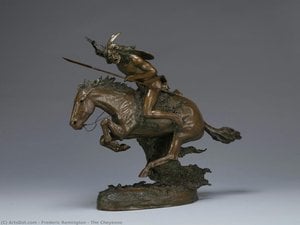
Arta lui Remington este inextricabil legată de un moment specific din istoria americană – apogeul Vestului Sălbatic. Pânzele sale sunt populare de figuri iconice: cowboy-i duri care conduc tauri, americani nativi confruntați cu pierderea și soldați americani implicați atât în bătălii eroice, cât și în conflicte tragice. Nu a ezitat să reprezinte realitățile dure ale vieții la frontieră, dar arta sa se îndepărtează adesea de o reprezentare romantică, subliniind curajul, aventura și ciocnirea culturilor. Picturile sale nu sunt doar documente istorice; ele sunt narațiuni evocatoare care explorează temele eroismului, pierderii și marșul inevitabil al progresului. Stilul lui Remington a evoluat în timp, de la reprezentări mai strânse și mai academice la pensule mai libere și mai expresive. A fost un maestru în captarea mișcării – tauri care alergă pe câmpii, cowboy-i care se luptă cu tauri, soldați care se năpustesc în bătălii. A folosit adesea schițe rapide și fotografii ca material de referință, dar arta sa a transcendat imitarea pură, fiind impregnată de viziunea sa unică și intensitatea emoțională. Lucrări notabile precum *My Ranch*, *Waiting in the Moonlight*, *Ridden Down* (1905) și *The Long-Horn Cattle Sign* (1908) exemplifică capacitatea sa de a captura atât splendoarea, cât și vulnerabilitatea Vestului American.
Influențe și Moștenire
Frederic Remington a murit neașteptat în 1909 la vârsta de 48 de ani, lăsând în urmă un corp vast de lucrări care continuă să captiveze publicul astăzi. Impactul său asupra artei vestice este incontestabil; nu doar că a reprezentat Vestul, ci l-a *definit* pentru generații de americani. A stabilit o limbaj vizual pentru frontieră – o iconografie a cowboy-ilor, a americanilor nativi și a soldaților americani care s-a înrădăcinat adânc în imaginația populară. Lucrările sale au inspirat numeroși alți artiști, inclusiv N.C. Wyeth și Zane Grey. Muzeul de Artă Remington din Ogdensburg, New York, este un monument al moștenirii sale durabile, păstrând o colecție extinsă a picturilor, sculpturilor și materialelor arhivistice ale sale. Arta sa este expusă în continuare în muzee importante din întreaga țară, inclusiv Metropolitan Museum of Art și Amon Carter Museum of American Art. Reprezentările sale, deși uneori criticate pentru reprezentarea lor romantică a Vestului, oferă o privire valoroasă asupra unei ere cheie din istoria americană. El a capturat nu doar ceea ce *a fost*, ci și ceea ce oamenii *credeau* despre Vest – miturile sale, legendele sale și farmecul său durabil. El rămâne un simbol puternic al spiritului american—un cronist al unei lumi pe cale de dispariție care a transformat-o într-o moștenire artistică durabilă.



 Comută pe versiunea Print
 Trimite prin felicitare
 Distribuie
 Detalii despre lucrare
 Ghid
Ghid

 Descarcă imaginea
 Produse similare
 Galerie foto
 Q&A
Q&A Statistici


 Vezi mai mult






































 Opțiunea cu sticlă este disponibilă doar pentru dimensiuni de sub 110 cm