CONSULTAȚIE GRATUITĂ ÎN ARTE VIZUALE

x
Comandă tipăritul Comandă tipăritulComandă reproducere pictată Comandă reproducere pictată TrimiteTrimite
DetaliiDetalii Adaugă la favorite Adaugă la favorite DescarcăDescarcă SimilareSimilare Raze XRaze X DiaporamaDiaporama

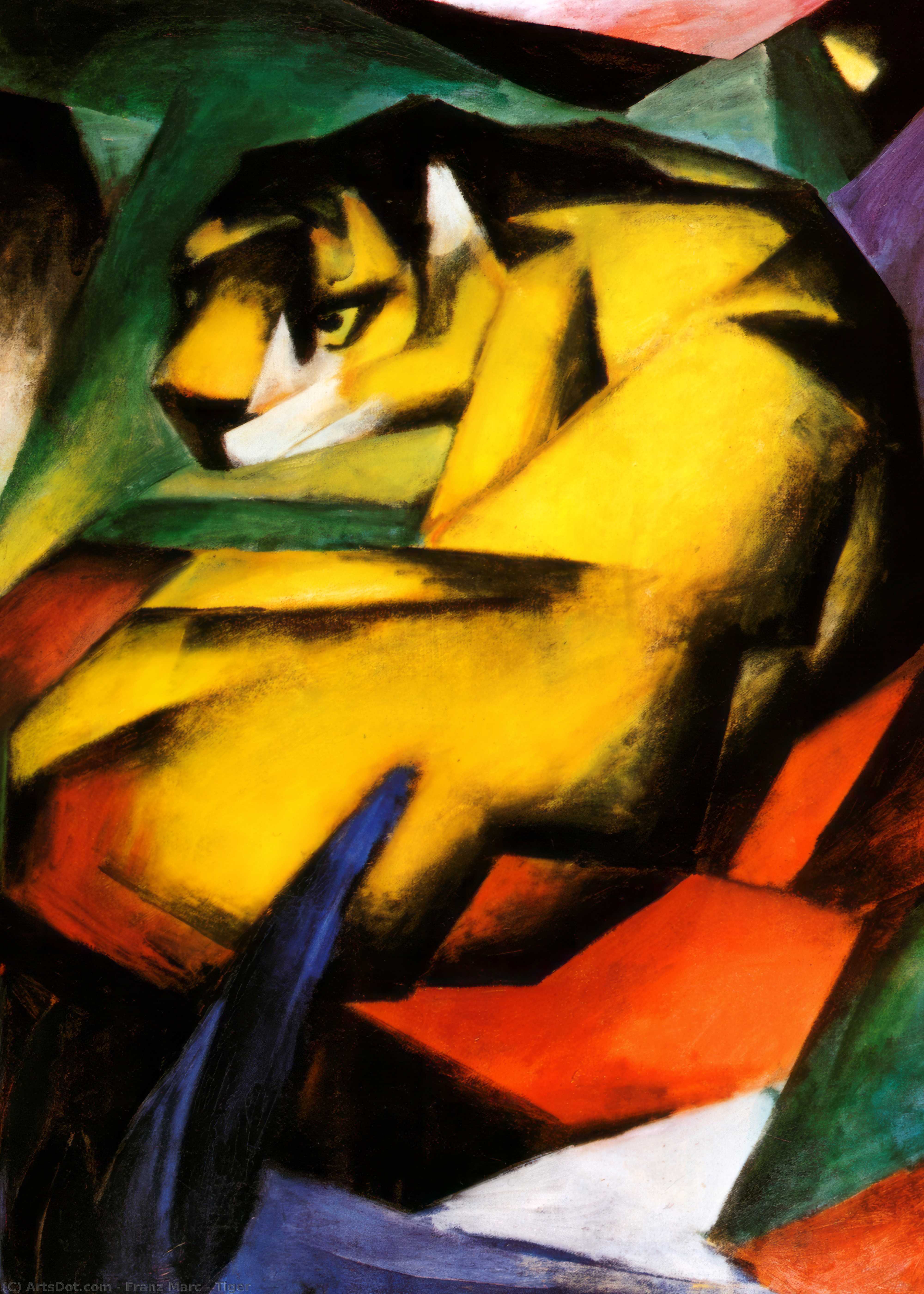
Tiger

"Tiger" de Franz Marc este o pictură expresionistă impresionantă cu forme geometrice puternice și culori vibrante, simbolizând puterea animalului și emoția autentică. O operă artistică emblematică a începutului secolului XX!

Franz Marc (1880-1916): pictor german expresionist, renumit pentru operele sale cu animale simbolice și culori vibrante. Descoperă spiritualitatea dincolo de realitate prin arta sa!

Achiziționați o imagine digitală îmbunătățită și de înaltă rezoluție, mult superioară previzualizării online.

Fiecare fișier este pregătit cu meticulozitate de specialiștii noștri interni, utilizând instrumente avansate și retușare manuală expertă. Ne asigurăm că fiecare imagine beneficiază de o claritate excepțională, o acuratețe precisă a culorilor și detalii fine.

Fișierul final este livrat prin e-mail în termen de 72 de ore, optimizat pentru utilizare imediată în medii profesionale, editoriale și de imprimare. Aceasta este aceeași calitate în care au încredere studiouri de design, edituri și galerii de top.

Imagine Digitală

Descărcați un fișier la rezoluție înaltă pentru afișare personală, imprimare și proiecte creative.

Preț total

$9.99

Inclus în fiecare comandă de imagini digitale

Livrare digitală de expertiză, garantată

Când alegeți WahooArt.com, nu primiți doar o simplă imagine – primiți o operă de artă digitală îmbunătățită profesional, creată cu precizie și susținută de o garanție de satisfacție. Iată tot ceea ce primești odată cu comanda ta, în mod automat:

shipping_icon
Livrare rapidă prin e-mail

Fișierul imaginii digitale la rezoluție înaltă vă va fi trimis prin e-mail în termen de 72 de ore de la finalizarea comenzii – gata pentru utilizare imediată.

canvas_icon
Fișier digital optimizat prin IA

Opera ta de artă este optimizată profesional prin intermediul unor instrumente AI avansate și al editării manuale, asigurând un nivel maxim de detalii, claritate și acuratețe a culorilor.

insurance_icon
Retransmitere gratuită pe viață

Ai șters sau ai pierdut din greșeală fișierul? Nu îți face griji – ți-l vom retrimite oricând, gratuit.

tax_icon
Fără taxe de import – Întotdeauna

Bucură-te instant de opera ta de artă, fără taxe vamale, taxe de import sau costuri de livrare – descărcările digitale sunt întotdeauna fără taxe.

color_icon
Garanția acurateței culorilor

Asigurăm că imaginea ta digitală reflectă culorile originale cât mai fidel posibil, utilizând instrumente profesionale și procese de gestionare a culorii.

return_icon
Garanție de satisfacție de 60 de zile

Dacă nu sunteți mulțumit de imaginea digitală achiziționată, o vom revizui sau vă vom returna 100% în termen de 60 de zile – fără nicio explicație necesară.

guarantee_icon
Garanție de returnare 100% a banilor

Nu ești mulțumit? Obține o rambursare completă în termen de 60 de zile de la primirea fișierului tău digital – fără întrebări.

discount_icon
Reduceri pentru comenzi multiple

Cumpără 3 imagini, economisește 10% - Cumpără 5, economisește 15% - Cumpără 10+, economisește 20%. Ideal pentru proiecte creative, galerii și agenții.

Informații rapide

  • year: 1912
  • movement: Cubism
  • notable_elements: Bold geometric shapes, contrasting colors, multiple viewpoints
  • influences: Futurism, Cubism, Vincent van Gogh
  • style: Abstracted geometric forms, vibrant colors
  • title: Tiger

Test de cunoștințe despre artă

Fiecare întrebare are un singur răspuns corect.

Întrebare 1:
Who is the artist of the 1912 artwork titled 'Tiger'?
Întrebare 2:
What artistic movement best describes Franz Marc's 'Tiger'?
Întrebare 3:
Which technique is prominently used in 'Tiger' to depict the subject?
Întrebare 4:
What is the primary subject matter of Franz Marc's 'Tiger'?
Întrebare 5:
Which influences can be seen in the style of 'Tiger'?

Descrierea obiectului de colecție

Franz Marc’s “Tiger”: A Symphony of Color and Spirit

Franz Marc’s “Tiger,” painted in March 1912, stands as a cornerstone of German Expressionism—a movement that sought to convey profound emotional truths through bold artistic vision. More than just an image of the animal kingdom, it embodies Marc's deeply held belief that art could serve as a conduit for spiritual experience, reflecting his fascination with the primal energy and resilience inherent in nature.

Style and Technique: Cubism’s Embrace of Emotion

The painting exemplifies the stylistic principles of Cubism, pioneered by Picasso and Georges Braque. Marc skillfully utilizes fragmented geometric shapes—primarily angular cubes and blocks—to dismantle traditional representation, prioritizing color and form over realistic depiction. This technique isn't merely a formal innovation; it’s a deliberate strategy to heighten realism and sentiment. The artist employs sharp lines and overlapping facets to create a layered sense of depth while simultaneously emphasizing the two-dimensionality of the canvas. Thick impasto brushstrokes contribute to a tactile quality, conveying movement and emotional intensity—a characteristic that distinguishes Marc's work from earlier Impressionistic styles.

Historical Context: Before Verdun’s Shadow

“Tiger” was created in 1912, just prior to the outbreak of World War I. This turbulent period profoundly influenced artistic sensibilities, fostering a desire for expressive art that captured the anxieties and uncertainties of the time. Marc's engagement with the Blaue Reiter journal—a collaborative effort among artists exploring spiritual symbolism—further solidified his commitment to portraying animals as embodiments of purity, strength, and emotional depth. The painting reflects the broader cultural milieu of Expressionism, where artists wrestled with existential questions and sought to communicate profound feelings through unconventional visual language.

Symbolism: Fearlessness Amidst Fragmentation

The tiger’s piercing gaze—captured in stark yellow eyes—dominates the composition, conveying a palpable sense of aggression and readiness. Simultaneously, the vibrant color palette—dominated by yellows, reds, greens, and blues—evokes an emotional response that transcends mere visual stimulation. The fractured geometric forms mirror the artist's internal turmoil, mirroring the anxieties surrounding impending conflict. “Tiger” symbolizes not just the animal itself but also a confrontation with primal instincts and the courage to face overwhelming challenges – themes central to Expressionist thought.

A Legacy of Bold Vision

Franz Marc’s “Tiger” continues to resonate today as an emblem of artistic innovation and emotional sincerity. Its masterful blend of Cubist technique, symbolic representation, and expressive color remains a testament to Marc's enduring legacy—a reminder that art can illuminate the deepest recesses of human experience.

Opere de artă similare


Biografie Artist

A Life Immersed in Color and Spirit

Franz Moritz Wilhelm Marc, born in Munich in 1880, was a painter whose brief but intensely focused career irrevocably altered the course of German Expressionism. His story is one of profound spiritual seeking translated into a vibrant visual language, a quest to understand the essence of life through the purity he found in the natural world—particularly within the animal kingdom. Initially influenced by his father, Wilhelm Marc, a landscape painter, young Franz’s artistic path wasn't immediately certain. He briefly considered theology, grappling with questions of faith and existence before ultimately dedicating himself to art at the Academy of Fine Arts in Munich. These early explorations into religious thought would remain deeply embedded within his work, shaping his belief that art could be a conduit for spiritual experience. His academic training provided him with technical foundations, but it was encounters with the works of Vincent van Gogh during visits to Paris that truly ignited his artistic vision. Van Gogh’s emotive use of color and raw expression resonated profoundly with Marc, liberating him from conventional techniques and setting him on a path toward a more subjective and emotionally charged style.

The Blue Rider and a New Artistic Vision

Marc's artistic development wasn’t solitary; it flourished within the dynamic context of early 20th-century Munich. He experimented with various artist groups, including the Neue Künstlervereinigung München, before co-founding *Der Blaue Reiter* (The Blue Rider) in 1911 alongside Wassily Kandinsky. This wasn’t merely a group or an exhibition series; it was a philosophical and artistic revolution. *Der Blaue Reiter* sought to move beyond mere representation, aiming instead to express inner spiritual truths through abstraction and symbolic color. The journal of the same name became a platform for disseminating these ideas, showcasing not only their own work but also that of other forward-thinking artists and exploring diverse cultural influences from folk art to primitive sculpture. Marc’s contributions during this period were pivotal. He moved away from depicting landscapes as static scenes, instead focusing on animals—horses, deer, foxes—as vessels of spiritual energy. These weren't simply animal portraits; they were symbolic representations of innocence, harmony, and a connection to the natural world that he believed humanity had lost. The influence of Robert Delaunay’s exploration of abstract forms and vibrant colors further propelled Marc toward simplification and heightened emotional expression in his work. Paintings like *The Tiger* (1912) and *Red Deer* (1912) exemplify this shift, showcasing bold color choices and a growing focus on the inherent qualities of his subjects rather than realistic depiction.

Symbolism, Color, and the Essence of Being

Marc’s artistic style is immediately recognizable for its distinctive use of color and form. He didn't employ color descriptively; instead, he imbued it with symbolic meaning. Blue represented spirituality and masculinity, yellow signified joy and femininity, and red embodied violence and materiality. These weren’t arbitrary choices but a carefully constructed system designed to convey specific emotional and philosophical ideas. His animals aren’t merely subjects; they are embodiments of these concepts. The simplification of forms—reducing figures to their essential shapes—further emphasized the underlying spiritual essence he sought to capture. *The Tower of Blue Horses* (1913), sadly lost during World War II, is perhaps the most iconic example of this approach, a powerful and evocative composition that encapsulates his artistic vision. He believed animals possessed an inherent purity and connection to nature that humans had forfeited through societal constraints and intellectualization. By portraying them with such reverence and symbolic weight, Marc sought to remind viewers of this lost harmony and inspire a deeper appreciation for the natural world. His work wasn’t about depicting *what* he saw but rather *how* he felt—a deeply personal and spiritual response to his surroundings.

Key Works and Influences

Marc's oeuvre is characterized by a remarkable consistency in subject matter and stylistic approach, despite evolving techniques. Early works like *The Yellow Cow* (1909) demonstrate his initial exploration of simplified forms and vibrant colors, heavily influenced by Van Gogh’s expressive brushwork. His later paintings, such as *The Tower of Blue Horses*, showcase a more complex use of symbolism and abstraction, reflecting his engagement with Kandinsky's theories on spirituality in art. The influence of Paul Gauguin is also evident in Marc’s interest in primitive cultures and the depiction of non-Western subjects. He was deeply moved by the art of indigenous peoples, particularly their symbolic representations of animals and spirits. Furthermore, Marc’s time in Paris exposed him to the innovations of Cubism, which he incorporated into his work through fragmented forms and multiple perspectives. The impact of these diverse influences is evident throughout his career, creating a unique artistic language that continues to fascinate viewers today.

A Tragic End and Lasting Legacy

The outbreak of World War I in 1914 dramatically altered Marc's life and artistic trajectory. Despite seeking exemption due to his status as an artist, he was drafted into the German army, serving as a cavalryman. The horrors of war deeply affected him, yet even amidst the chaos, he continued to paint, finding solace and meaning in his art. Tragically, Franz Marc died on March 4, 1916, at the Battle of Verdun, a devastating loss for the art world. His untimely death cut short a career brimming with potential, but it also cemented his place as a pivotal figure in modern art history. His work continues to resonate today, influencing generations of artists and captivating audiences with its emotional depth and spiritual resonance. Marc’s paintings are exhibited in major museums worldwide, including the Lenbachhaus in Munich, which holds an extensive collection of his work. He is remembered not only as a pioneer of German Expressionism but also as a visionary artist who dared to explore the profound connection between art, spirituality, and the natural world—a legacy that continues to inspire awe and contemplation. His artistic vision remains a testament to the power of art to transcend the material realm and touch upon something deeper within the human spirit.
Franz Marc

Franz Marc

1880 - 1916 , Germania

Detalii rapide

  • Artistic Movement Or Style: Expresionism German
  • Artists Or Movements Influenced By This Artist:
    • Expresionism
    • Der Blaue Reiter
  • Artists Who Influenced This Artist:
    • Van Gogh
    • Delaunay
  • Date Of Birth: 8 Feb 1880
  • Date Of Death: 4 Mar 1916
  • Full Name: Franz Moritz Wilhelm Marc
  • Nationality: German
  • Notable Artworks:
    • Calărețul albastru
    • Caii roșii
    • Coiul roșu
  • Place Of Birth: Munich, Germania