


Obțineți un fișier gata de imprimare care depășește cu mult calitatea previzualizării web. Fiecare imagine digitală pe care o vindem provine dintr-un master de înaltă rezoluție din baza noastră de date — având, de regulă, o lățime între 5.000 și 15.000 de pixeli — astfel încât să puteți printa în format mare, să decupați strâns sau să reproduceți detalii fine cu încredere.
Niciun fișier nu părăsește studioul nostru fără să fie tratat. Un expert digital verifică nuanțele de culoare în raport cu pictura originală și le corectează acolo unde este necesar, apoi îmbunătățește claritatea și detaliile folosind instrumente profesionale de retușare — rămânând întotdeauna fidel gestului pictural și stilului artistului. Rezultatul este o imagine care seamănă cu tabloul propriu-zis, nu cu o scanare filtrată.
Aprobați înainte de finalizare: expertul nostru vă va trimite imaginea prin e-mail în termen de 72 de ore pentru revizuire. Nu sunteți mulțumit? Solicitați îmbunătățiri sau corecturi, ori cereți o restituire a plății dacă calitatea nu este pe măsura așteptărilor.
Aceasta este calitatea pe care se bazează editorii, studiourile de design, galeriile și tipăriturile.
Descărcați un fișier la rezoluție înaltă pentru afișare personală, imprimare și proiecte creative. ( Comută pe versiunea Print Comandă pictură realizată manual)
Când alegeți WahooArt.com, nu primiți doar o simplă imagine – primiți o operă de artă digitală îmbunătățită profesional, creată cu precizie și susținută de o garanție de satisfacție. Iată tot ceea ce primești odată cu comanda ta, în mod automat:
Fișierul imaginii digitale la rezoluție înaltă vă va fi trimis prin e-mail în termen de 72 de ore de la finalizarea comenzii – gata pentru utilizare imediată.
Opera ta de artă este optimizată profesional prin intermediul unor instrumente AI avansate și al editării manuale, asigurând un nivel maxim de detalii, claritate și acuratețe a culorilor.
Ai șters sau ai pierdut din greșeală fișierul? Nu îți face griji – ți-l vom retrimite oricând, gratuit.
Bucură-te instant de noua ta operă de artă, fără taxe vamale, taxe de import sau costuri de livrare – descărcările digitale sunt întotdeauna fără taxe.
Asigurăm o reflectare cât mai fidelă a culorilor originale în imaginea ta digitală, prin utilizarea unor instrumente profesionale și a proceselor de gestionare a culorii.
Dacă nu sunteți mulțumit de imaginea digitală achiziționată, o vom revizui sau vă vom returna 100% în termen de 100 de zile – fără nicio întrebare.
Nu ești mulțumit? Primești rambursarea integrală în termen de 100 de zile de la primirea fișierului digital – fără nicio întrebare.
Cumpără 3 imagini, economisește 10% - Cumpără 5, economisește 15% - Cumpără 10+, economisește 20%. Ideal pentru proiecte creative, galerii și agenții.
Gustave Courbet's "The Painter's Studio," completed in 1855, isn’t merely a depiction of an artist at work; it’s a vibrant, layered allegory of the artistic and social landscape of mid-19th century France. More than just a snapshot of a studio scene, this monumental canvas invites us into a microcosm of society – a carefully constructed tableau populated by figures representing diverse walks of life, each contributing to the dynamic energy of Courbet’s creative world. The painting immediately captivates with its rich palette and meticulous detail, hallmarks of the Realist movement that Courbet championed, rejecting the idealized forms and mythological subjects favored by earlier artistic traditions.
At first glance, the scene unfolds as a typical artist's studio – an easel holding a landscape in progress, a nude model posing gracefully, and a young boy playfully interacting with a white cat. However, a closer examination reveals a complex web of symbolism woven throughout the composition. The left side of the painting is dominated by a series of ordinary individuals: a Jewish man, an Irishwoman, and a laborer – figures representing the everyday people who served as inspiration for Courbet’s art. A partially obscured figure on the floor, often interpreted as a crucified form, serves as a poignant reminder of the sacrifices made in pursuit of artistic expression, while simultaneously acknowledging the potential demise of traditional academic art. The central focus remains firmly on Courbet himself, diligently working on his painting of the Loue River valley – a deliberate homage to his homeland and a testament to the enduring power of nature.
The right side of "The Painter's Studio" transforms into a gathering of Parisian elite, each figure representing a key influence on Courbet’s artistic journey. Prominent among them are Alfred Bruyas, a wealthy patron who provided crucial financial support; Champfleury, a literary critic and fellow Realist whose writings profoundly shaped Courbet’s artistic philosophy; Pierre-Joseph Proudhon, the radical philosopher and economist; and Charles Baudelaire, the celebrated poet whose aesthetic sensibilities resonated deeply with Courbet's own. The inclusion of these figures isn’t simply decorative; it underscores the interconnectedness of art, society, and intellectual discourse during this transformative period. The portraits are not idealized representations but rather carefully observed studies, capturing each individual’s unique personality and bearing – a testament to Courbet’s keen observational skills.
Courbet's masterful technique is evident in every brushstroke. He employs a meticulous approach, rendering textures with astonishing realism – from the velvet folds of clothing to the rough grain of wood. The use of light and shadow creates a dramatic atmosphere, drawing the viewer’s eye across the canvas and highlighting key elements within the composition. The partially finished paintings on the back wall—a deliberate act of artistic defiance—symbolize the unfinished nature of creative endeavors and the constant pursuit of perfection. These abandoned works hint at the immense scale of Courbet's ambition and his willingness to challenge conventional artistic norms.
"The Painter’s Studio" stands as a pivotal work in the history of art, encapsulating the spirit of the Realist movement. It rejects romantic idealism and embraces a commitment to portraying the world as it truly is – with all its complexities, contradictions, and social inequalities. Courbet's painting wasn't merely an artistic statement; it was a bold declaration of independence from the established art establishment. The work’s enduring appeal lies in its ability to resonate with viewers across generations, prompting reflection on the nature of creativity, the role of society, and the power of art to shape our understanding of the world. Reproductions of this iconic painting offer a remarkable opportunity to bring this vibrant tableau into your own home, serving as a constant reminder of Courbet’s revolutionary vision.
"The Painter's Studio" este clasificată ca Recognized.
Pagina Raze X a operei "The Painter's Studio" de Frans van Mieris este un vizualizator interactiv care vă permite să parcurgeți onze straturi optice ale imaginii lucrării, inclusiv o perspectivă de tip radiografie.
Din punct de vedere istoric, „The Painter's Studio” este o operă Dutch Golden Age Realism din cadrul erei mai largi Late Medieval.

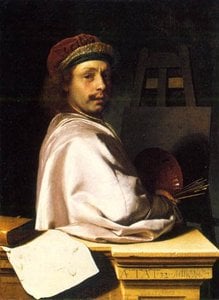
1635 - 1681 , Olanda
 Previzualizare
 Trimite prin felicitare
 Distribuie
 Detalii despre lucrare
 Ghid
Ghid

 Descarcă imaginea
 Produse similare
 Radiografie
 Galerie foto
 Întrebări și răspunsuri
 Statistici


 Vezi mai mult


