Vezi în context Previzualizare AR Comandă pictură realizată manual Treci la imagine digitală Trimite
Detalii Ghidul Adaugă la favorite Descarcă Produse similare Radiografie Diaporama Statistici

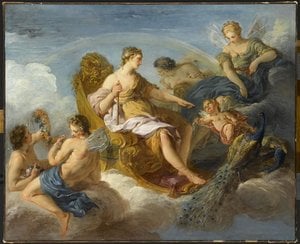
The Bather

Admire François Lemoyne's 'The Bather,' a captivating Rococo masterpiece showcasing classical beauty and serene landscapes. Explore the artistry & details of this iconic Hermitage Museum painting.

François Lemoyne (1688-1737): Pictor parizian al Rococo ce revigorează frescele alegorice, influențat de Rubens! Descoperă eleganța și splendoarea sa barocă!

Giclée / Imprimare artistică

Printuri giclée sau pe canvas de calitate muzeală, cu proces de producție rapid și opțiuni flexibile de finisare. ( Comandă pictură realizată manual Treci la imagine digitală)

Corner sample of the P118B picture frame: polistiren turnat, 5 cm wide and 3 cm thick
P118B lei10
Corner sample of the P118H picture frame: polistiren turnat, 5 cm wide and 3 cm thick
P118H lei10
Corner sample of the P118W picture frame: polistiren turnat, 5 cm wide and 3 cm thick
P118W lei10
Corner sample of the P438Z picture frame: polistiren turnat, 5.5 cm wide and 3.5 cm thick
P438Z lei10
Corner sample of the P508JH picture frame: polistiren turnat, 7 cm wide and 3.5 cm thick
P508JH lei12
Corner sample of the P508YH picture frame: polistiren turnat, 7 cm wide and 3.5 cm thick
P508YH lei12
Corner sample of the P805H picture frame: polistiren turnat, 5 cm wide and 3.5 cm thick
P805H lei10
Corner sample of the P805Z picture frame: polistiren turnat, 5 cm wide and 3.5 cm thick
P805Z lei10
Corner sample of the P919BZ picture frame: polistiren turnat, 7 cm wide and 3.5 cm thick
P919BZ lei10
Corner sample of the P919G picture frame: polistiren turnat, 7 cm wide and 3.5 cm thick
P919G lei10
Corner sample of the P919XJ picture frame: polistiren turnat, 7 cm wide and 3.5 cm thick
P919XJ lei10
Corner sample of the P959ZH picture frame: polistiren turnat, 5 cm wide and 3 cm thick
P959ZH lei10
Corner sample of the P968JZ picture frame: polistiren turnat, 6 cm wide and 4 cm thick
P968JZ lei12
Corner sample of the W106C picture frame: lemn masiv, 5 cm wide and 3 cm thick
W106C lei8
Corner sample of the W218G picture frame: lemn masiv, 5 cm wide and 3 cm thick
W218G lei10
Corner sample of the W218JH picture frame: lemn masiv, 5 cm wide and 3 cm thick
W218JH lei8
Corner sample of the W218Y picture frame: lemn masiv, 5 cm wide and 3 cm thick
W218Y lei10
Corner sample of the W307PJ picture frame: lemn masiv, 6 cm wide and 3 cm thick
W307PJ lei10
Corner sample of the W316G picture frame: lemn masiv, 6 cm wide and 3 cm thick
W316G lei10
Corner sample of the W316PJ picture frame: lemn masiv, 6 cm wide and 3 cm thick
W316PJ lei8
Corner sample of the W316Y picture frame: lemn masiv, 6 cm wide and 3 cm thick
W316Y lei10
Corner sample of the W398PJ picture frame: lemn masiv, 5 cm wide and 3 cm thick
W398PJ lei8
Corner sample of the W4111J picture frame: lemn masiv, 6.5 cm wide and 3.5 cm thick
W4111J lei10
Corner sample of the W500HY picture frame: lemn masiv, 7 cm wide and 5 cm thick
W500HY lei15
Corner sample of the W500JH picture frame: lemn masiv, 7 cm wide and 5 cm thick
W500JH lei15
Corner sample of the W692G picture frame: lemn masiv, 8 cm wide and 4 cm thick
W692G lei12
Corner sample of the W849H picture frame: lemn masiv, 5 cm wide and 3 cm thick
W849H lei8
Corner sample of the W940BG picture frame: lemn masiv, 7.5 cm wide and 4.5 cm thick
W940BG lei15
Corner sample of the W953PJ picture frame: lemn masiv, 6 cm wide and 3.5 cm thick
W953PJ lei8

Dimensiuni standard
personalizat
CM
INCH

Alegeți dintre dimensiunile noastre prestabilite, care respectă proporțiile originale ale operei de artă.

lățime
înălțime

Introduceți lățimea și înălțimea de care aveți nevoie, pentru a se potrivi ramei sau peretelui dumneavoastră. O printare poate fi doar tăiată, niciodată extinsă dincolo de dimensiunea imaginii originale, astfel încât o dimensiune cu o formă diferită va pierde o parte din imagine. Vă trimitem o simulare digitală pentru aprobare înainte de a imprima orice. Imaginea afișată pe această pagină nu prezintă tăierea reală — doar simularea arată acest lucru.

Livrare în întreaga lume () în 2 săptămâni, în loc de cele 4/5 săptămâni standard. (23 Octombrie)

Livrare expres gratuită la nivel mondial
Pânză de in premium
Asigurare completă pentru transport
Garanție de rambursare a taxelor vamale
Garanția fidelității culorilor
Politica de retur în 100 de zile (doar pentru defecte)
Garanție de rambursare 100%
Reducere pentru comenzi multiple

Preț total

lei 315

The Bather

Giclée / Imprimare artistică

Dimensiune reproducere

-

Preț total

lei 315

Detalii rapide

  • Subject or theme: Nude bathing scene
  • Artist: François Lemoyne
  • Movement: Rococo
  • Medium: Oil on canvas
  • Dimensions: 137 x 105 cm

Chestionar de artă

Fiecare întrebare are un singur răspuns corect.

Întrebare 1:
What artistic movement is most closely associated with François Lemoyne’s ‘The Bather’?
Întrebare 2:
In the painting 'The Bather', what is depicted in the background landscape?
Întrebare 3:
According to the description, what is a key characteristic of Lemoyne’s style as demonstrated in ‘The Bather’?
Întrebare 4:
What year was François Lemoyne born?
Întrebare 5:
The painting ‘The Bather’ is housed in which museum?

François Lemoyne’s “The Bather”: A Baroque Embrace of Form and Nature

François Lemoyne's "The Bather," housed within the venerable halls of the Hermitage Museum in St. Petersburg, is more than a simple depiction of two women enjoying a tranquil moment; it’s a masterful distillation of 18th-century Rococo aesthetics, imbued with the grandeur and intellectual depth sought by its creator. Painted around the mid-1720s, this oil on canvas work offers a glimpse into a world where classical ideals intertwined with the burgeoning sensuality of the era, showcasing Lemoyne’s skill in capturing both human form and the harmonious relationship between figure and landscape.

Lemoyne, born in Paris in 1688, was a dedicated revivalist. He sought to resurrect the monumental allegorical paintings that had fallen out of favor since the time of Charles Le Brun, viewing himself as a worthy successor to this illustrious tradition. Unlike mere decorative works, Lemoyne aimed for pieces possessing significant intellectual weight and emotional resonance – a reflection of the complex spirit of the Rococo period while simultaneously drawing upon the stability and balance of classical art. The painting’s composition immediately establishes this duality; the figures are presented within a carefully constructed natural setting, yet their poses and gazes convey a subtle interplay of observation and intimacy.

A Study in Drapery and Light

The immediate impact of “The Bather” lies in its exquisite rendering of form and texture. Lemoyne’s mastery of drapery is particularly noteworthy. The flowing garments enveloping the figures are not merely decorative; they actively contribute to the sense of movement and life within the scene. Each fold, pleat, and drape appears sculpted with meticulous detail, suggesting a tactile quality that invites the viewer to almost reach out and feel the fabric’s weight and texture. This is further enhanced by Lemoyne's skillful use of light and shadow – a hallmark of Baroque technique—which models the curves of the bodies and creates a sense of depth within the landscape.

The background, depicting a serene woodland scene with trees and foliage rendered in soft blues and greens, provides a tranquil counterpoint to the figures. The sky, dotted with clouds, reinforces this atmosphere of peaceful contemplation. Notice how Lemoyne subtly integrates the natural elements into the composition; the branches of the trees frame the women, creating a sense of enclosure and intimacy while simultaneously emphasizing their connection to the surrounding environment. Research reveals that Lemoyne’s time in Venice and Rome profoundly influenced his approach, evident in the vibrant local colors used to depict the foliage – a departure from the more muted palettes often favored in Parisian art at the time.

Symbolism and the Rococo Ideal

While seemingly simple in its subject matter, “The Bather” is rich in symbolic potential. The act of bathing itself held multiple meanings during the 18th century – representing purification, renewal, and a connection to nature. The two women, positioned in close proximity yet engaged in distinct activities, invite speculation about their relationship. One appears to be lost in thought, while the other observes her companion with a gentle curiosity. This subtle dynamic speaks to the complexities of human interaction and the enduring fascination with the mysteries of the female psyche – themes frequently explored within the Rococo style.

The painting’s overall mood is one of understated elegance and quiet beauty. It's a testament to Lemoyne’s ability to capture not just the physical likeness of his subjects, but also their inner lives—a skill that cemented his place as a significant figure in the transition from Baroque formality to the more playful sensibilities of the Rococo era. WahooArt offers meticulously crafted hand-painted reproductions that faithfully recreate this exquisite work, allowing you to experience its timeless beauty and intellectual depth firsthand.

Bringing “The Bather” Home

Reproductions of "The Bather" by WahooArt are available in a range of sizes, ensuring that you can find the perfect piece to complement your interior design. Whether adorning a formal salon or adding a touch of classical grace to a more casual space, this painting’s serene beauty and masterful technique will undoubtedly captivate viewers for years to come. Explore our collection today and bring a touch of 18th-century French artistry into your home.

Întrebări și răspunsuri

Ce culoare iese cel mai mult în evidență în "The Bather"?

Culoarea dominantă a operei "The Bather" de François Le Moine este Espresso (#5a4933).

Ce paletă și ce sentiment combină "The Bather"?

Paleta Earthy a operei "The Bather" de François Le Moine se armonizează cu tonul său Tranquil. Culoarea este una dintre modalitățile prin care o lucrare transmite emoție.

Opera "The Bather" se află în țara creatorului său?

Nu - opera de artă este păstrată în străinătate. Țara natală a François Le Moine este Franța, iar muzeul care păstrează originalul operei „The Bather” se află în Russia.


Biografie artist

O Moștenire Parisiană în Splendoarea Rococo

François Lemoyne, un nume poate mai puțin familiar decât cel al contemporanilor săi Boucher sau Watteau, ocupă totuși o poziție semnificativă în țesătura artei franceze din secolul al XVIII-lea. Născut la Paris în 1688, Lemoyne și-a dedicat viața revigorării măreției picturii alegorice de mari dimensiuni—o tradiție care slăbnise considerabil după epoca lui Charles Le Brun, pe care Lemoyne îl admira profund și cărui model se străduia să-i urmeze. Ambiția sa nu era doar de a decora, ci de a crea opere încărcate cu greutate intelectuală și rezonanță emoțională, reflectând spiritul complex al perioadei Rococo, dar amintind în același timp de un ideal mai clasic. De la antrenamentul său inițial sub îndrumarea tatălui său vitreg, Robert le Vrac, și ulterior în mediul riguros al Académie Royale de peinture et de sculpture, Lemoyne a demonstrat o dedicare pentru stăpânirea atât a abilităților tehnice, cât și a expresiei artistice. Educația sa formală cu Louis Galloche și Pierre-Jacques Cazes s-a dovedit formativă, în special în dezvoltarea unei înțelegeri nuanțate a culorii—o caracteristică care ar deveni din ce în ce mai proeminentă pe parcursul carierei sale. Premiul râvnit Prix de Rome din 1711 a marcat un moment crucial, deși constrângerile financiare au întârziat inițial călătoria sa spre Italia; o călătorie pe care a întreprins-o în cele din urmă în 1723, însoțit de François Berger.

Ecouri Italiene și Flori Rococo

Șederea în Italia s-a dovedit transformatoare pentru Lemoyne. Imersându-se în operele maeștrilor Renașterii precum Raphael, Correggio și Titian, a absorbit tehnicile și principiile estetice ale acestora, îmbogățindu-și vocabularul artistic. Cu toate acestea, energia dinamică a lui Peter Paul Rubens a lăsat o amprentă indelebilă asupra stilului său—evident în paletele sale de culori vibrante și compozițiile dramatice. Expunerea la pictura venețiană din renumita colecție a lui Pierre Crozat i-a rafinat în continuare sensibilitățile, cultivând o dragoste pentru texturi bogate și efecte atmosferice. Aceste influențe s-au contopit într-o estetică distinct Rococo caracterizată prin eleganță, ornamentare și un accent pe frumusețea decorativă. Cu toate acestea, Lemoyne nu a abandonat niciodată ambiția unei narațiuni ample care a definit pictura academică franceză anterioară; el a căutat să sintetizeze aceste elemente aparent disparate—lumina și grația Rococo cu rigoarea intelectuală a tradiției clasice. Acest amestec unic este ceea ce distinge lucrarea sa și contribuie la farmecul său durabil.

Versailles și Recunoaștere Regală

Prowesța artistică a lui Lemoyne și-a găsit cea mai spectaculoasă expresie în frescele sale monumentale de pe tavan, notabil L'Apothéose d'Hercule (Apotheosis of Hercules) din Salon d’Hercule din cadrul Palatului Versailles. Această capodoperă—o demonstrație uluitoare a tehnicii iluzioniste și a compoziției dinamice—a câștigat imediat o apreciere larg răspândită. Contemporanii precum Voltaire și Cardinal Fleury au lăudat strălucirea sa, recunoscându-l pe Lemoyne drept un maestru al artei sale. Dincolo de Versailles, el a întreprins, de asemenea, numeroase comenzi religioase, cum ar fi The Transfiguration în absida Bisericii Jacobin (acum Parohia St. Thomas d’Aquin) din Paris, demonstrându-și versatilitatea și capacitatea de a-și adapta stilul la diferite subiecte. În 1736, Lemoyne a atins apogeul carierei sale cu numirea sa ca Premier peintre du roi (Primul Pictor al Regelui) sub Louis XV—o mărturie a realizărilor sale artistice și a poziției sale în cadrul curții franceze.

Un Sfârșit Tragic și o Influență Durabilă

În ciuda faptului că a atins asemenea culmi, viața lui Lemoyne a fost întreruptă tragic printr-un suicid în 1737. Decesul său prematur nu a marcat doar o pierdere personală, ci a semnalat și o schimbare în gusturile artistice; acesta a coincis cu o scădere a popularității frescelor monumentale de pe tavan pe care le susținea atât de pasionat. Cu toate acestea, moștenirea sa a durat prin intermediul elevilor săi, inclusiv artiști proeminenți precum Charles-Joseph Natoire și François Boucher, cărora le-a transmis cunoștințele și abilitățile sale. Deși poate nu este la fel de celebrat ca unii dintre contemporanii săi astăzi, contribuțiile lui Lemoyne la arta Rococo franceză sunt din ce în ce mai apreciate pentru măiestria sa tehnică, ambiția artistică și sinteza unică a idealurilor clasice cu sensibilitățile estetice predominante ale vremii sale. Lucrările sale rămân o mărturie a unui artist dedicat care a căutat să ridice pictura la cea mai înaltă formă—o moștenire care continuă să inspire și să captiveze publicul secole mai târziu.

Lucrări Cheie & Contribuții Artistice

  • Fresce de pe Tavan: Cele mai celebrate realizări ale lui Lemoyne, exemplificate de L'Apothéose d'Hercule, demonstrează măiestria sa în tehnicile iluzioniste și compoziția dinamică.
  • Scene Mitologice: Lucrări precum Hercules and Omphale demonstrează capacitatea sa de a reprezenta narațiuni clasice cu atât intensitate dramatică, cât și grație senzuală.
  • Picturi Religioase: The Transfiguration exemplifică abilitatea sa de a reda subiecte religioase cu profunzime emoțională și precizie tehnică.
  • Portrete: Portretul său al Șefului Regelui Louis XV, dezvăluie o înțelegere subtilă a caracterului și o măiestrie a tehnicilor de creion și pastel.
François Le Moine

François Le Moine

1688 - 1737 , Franța

Informații rapide

  • Artiști Influențați:
    • Natoire
    • Boucher
  • Artiști Influenți:
    • Rubens
    • Raphael
    • Correggio
    • Titian
    • Cazes
  • Data Decesului: 1737
  • Data Nașterii: 1688
  • Locul Nașterii: Paris, Franța
  • Mișcare Artistică: Rococo
  • Naționalitate: Francez
  • Nume Complet: François Lemoyne
  • Opere Notabile:
    • Apotheosis of Hercules
    • Hercules and Omphale
    • Perseus and Andromeda
    • Head of King Louis XV
    • The Transfiguration