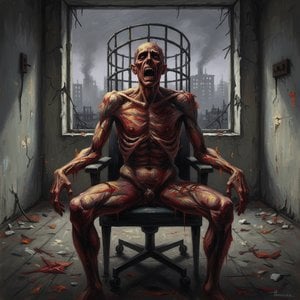
O Viață Scufundată în Visceral
Francis Bacon, un nume sinonim cu emoționalitatea cea mai brută din arta secolului al XX-lea, s-a născut la Dublin, Irlanda, în 1909. Spiritul său artistic și-a găsit însă adevărata expresie în peisajul turbulent al Marii Britanii de după război. Copilăria sa a fost departe de stabilitate; mutările frecvente din cauza sănătății fragile a mamei sale i-au insuflat un sentiment de dezrădăcinare care i-a modelat profund viziunea asupra lumii și, în cele din urmă, pânzele sale. O relație complexă cu tatăl său sever și o legătură strânsă cu guvernanta sa, Jessie Lightfoot, au colorat suplimentar terenul emoțional al anilor formativi. Atrăs inițial de cursele de cai și o viață a jocurilor de noroc, Bacon a rătăcit prin diverse ocupații înainte de a se dedica în cele din urmă picturii la sfârșitul vârstei de douăzeci de ani – un început întârziat care poate a intensificat urgența și intensitatea lucrărilor sale ulterioare. Nu a fost instruit formal, ci și-a croit propria cale, absorbind influențe diverse și dezvoltând un limbaj vizual unic, tulburător.
Căldura Influențelor Timpurii
Trezirea artistică a lui Bacon nu a fost imediată, ci mai degrabă o acumulare graduală de impresii. Lucrările lui Pablo Picasso, în special figurile distorsionate din perioada sa cubistă timpurie, s-au dovedit esențiale pentru eliberarea sa de reprezentarea tradițională. A găsit inspirație suplimentară în fotografia tulburătoare a lui Egon Schiele, ale cărui distorsiuni expresive ale formei umane au rezonat cu fascinația sa emergentă pentru fragilitatea și vulnerabilitatea existenței. Cu toate acestea, o întâlnire întâmplătoare cu filmul *Battleship Potemkin* al lui Sergei Eisenstein a oferit un catalizator crucial. Imagistica viscerală a filmului, în special un prim-plan cu o față strigând, a devenit un motiv persistent în opera lui Bacon, reprezentând teroarea primordială și profunzimea suferinței umane. A admirat profund și pe Maeștrii Vechi, în special pe Diego Velázquez, al cărui *Portretul Papei Innocent X* l-a reinterpretat faimos de-a lungul carierei sale, transformând figura papală autoritară într-un spectru chinuit. Aceste influențe nu au fost simple apropieri stilistice; au fost absorbite și transmutate prin sensibilitatea sa unică, rezultând o viziune artistică care era atât profund personală, cât și universal rezonantă.
Forging a Signature Style: Distortion and Isolation
Punctul de cotitură al lui Bacon a venit cu *Trei Studii pentru Figuri la Baza unei Crucificări* (1944), o lucrare care a șocat și captivat publicul din Londra postbelică. Acest triptic a stabilit stilul său semnătură – figuri distorsionate, fragmentate, izolate în spații claustrofobice. Acestea nu au fost reprezentări ale martiriului religios, ci explorări viscerale ale agoniei umane, lipsite de orice narațiune reconfortantă sau mângâiere spirituală. Picturile sale prezintă adesea forme încețoșate sau dizolvabile, transmițând un sentiment de turbulență psihologică și vulnerabilitate fizică. Folosea frecvent structuri geometrice – cuști, cutii – pentru a închide subiecții săi, subliniind izolarea și neputința lor. Paleta lui Bacon era de obicei estompată și sumbră, reflectând temele întunecate pe care le explora, dar punctată de izbucniri de culoare intensă care accentuau impactul emoțional. Utilizarea acestor cuști nu a fost doar un dispozitiv compozițional; a simbolizat limitările inerente și constrângerile impuse existenței umane. A căutat să capteze nu doar *cum* arată lucrurile, ci *cum se simt*, transmițând stări interioare de anxietate, frică și disperare pe pânză cu o onestitate brutală.
Teme ale Mortalității, Agoniei și a Condiției Umane
De-a lungul carierei sale prolifice, Bacon s-a întors în mod repetat la anumite motive: crucificarea ca simbol al suferinței; portrete care au explorat intensitatea psihologică a subiecților săi, adesea prieteni și iubiți precum George Dyer; și autoportrete care au servit drept explorări introspective ale identității și mortalității. Seria sa *Studiu După Portretul Papei Innocent X al lui Velázquez* (1953) este poate una dintre cele mai iconice realizări ale sale, transformând portretul demn al lui Velázquez într-o apariție strigătoare, întruchipând teroarea existențială. Portretele lui George Dyer, iubitul său volatil, sunt deosebit de emoționante, capturând atât intensitatea conexiunii lor, cât și umbra iminentă a tragediei. Opera lui Bacon nu era despre portretizarea unor indivizi specifici; era vorba despre explorarea temelor universale ale vulnerabilității umane, izolării și inevitabilitatea morții. Nu s-a ferit de aspectele mai întunecate ale existenței, ci le-a confruntat direct, obligând spectatorii să se confrunte cu propria lor mortalitate și anxietăți.
Un Moștenire Durabilă: Contestarea Convențiilor
Impactul lui Francis Bacon asupra artei din secolul al XX-lea este incontestabil. A contestat noțiunile tradiționale de reprezentare, respingând frumusețea idealizată în favoarea unei portretizări crude și neînduplecate a condiției umane. Opera sa i-a influențat profund generații de artiști, deschizând calea pentru noi forme de expresie și contestând granițele convenționale ale artei.
- Expresionismul Postbelic: Bacon este considerat o figură cheie în această mișcare, influențând artiștii cu stilul său îndrăzneț și profunzimea psihologică.
- Recorduri de Licitație & Expoziții Muzeale: Picturile sale continuă să obțină prețuri mari la licitație și sunt expuse în muzee importante din întreaga lume, consolidându-și locul în istoria artei.
- Confruntarea Adevărurilor: Moștenirea lui Bacon constă în capacitatea sa de a confrunta adevăruri inconfortabile despre existența umană și de a traduce acele experiențe în imagini puternice și memorabile.
În ciuda unei vieți personale tulburate, marcată de jocuri de noroc, băutură și relații complexe, el a rămas dedicat artei sale până la moartea sa în 1992. A lăsat în urmă o operă care continuă să rezoneze cu publicul de astăzi, amintindu-ne de fragilitatea existenței și puterea durabilă a artei de a confrunta cele mai întunecate colțuri ale sufletului uman.
Picturile sale nu sunt doar imagini; ele sunt experiențe viscerale – o mărturie a puterii durabile a artei de a provoca, deranja și, în cele din urmă, lumina complexitățile ființei umane.



 Vezi în context
 Comandă pictură realizată manual
 Trimite
 Distribuie
 Detalii
 Guide
Guide

 Descarcă
 Produse similare
 Radiografie
 Diaporama
 Statistici

 Citește mai mult






































 Opțiunea cu sticlă este disponibilă doar pentru dimensiuni de sub 110 cm