Printuri giclée sau pe canvas de calitate muzeală, cu proces de producție rapid și opțiuni flexibile de finisare. ( Comandă pictură realizată manual Comută pe Imagine Digitală)





























Alegeți dintre dimensiunile noastre prestabilite, care respectă proporțiile originale ale operei de artă.

Introduceți lățimea și înălțimea necesare pentru a se potrivi ramei sau peretelui dumneavoastră. O printare poate fi doar tăiată, niciodată extinsă dincolo de dimensiunea imaginii originale, astfel încât o dimensiune cu o formă diferită va pierde o parte din imagine. Vă trimitem o simulare digitală pentru aprobare înainte de a imprima orice. Imaginea afișată pe această pagină nu prezintă tăierea reală — doar simularea arată acest lucru.
Livrare în întreaga lume () în 2 săptămâni, în loc de cele 4/5 săptămâni standard. (11 Noiembrie)
untitled (5728)
Dimensiune reproducere
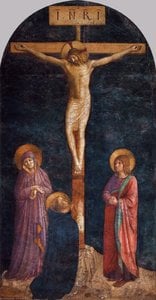
The painting before us, tentatively titled “untitled (5728)” by Fra Angelico, is a deeply moving depiction of the Nativity – a scene rendered with the serene grace and spiritual intensity that define this master of the Early Renaissance. While details regarding its precise origins remain elusive, the artwork’s power lies in its ability to transport the viewer to that pivotal moment of divine arrival, inviting contemplation on faith, hope, and the profound mystery of incarnation. The composition centers around the infant Jesus, cradled within a humble manger, his presence radiating a quiet luminosity amidst a gathering of figures who express reverence through gesture and posture. Kneeling worshippers and standing observers alike converge upon this sacred scene, their faces reflecting awe and devotion. A subtle inclusion – an animal, likely a horse, positioned to the left – adds a touch of earthly realism to the otherwise ethereal atmosphere.
Fra Angelico, born Giovanni da Fiesole around 1395 in Tuscany, was not merely a painter but a Dominican friar. This dual identity profoundly shaped his artistic vision. His work is characterized by a unique blend of devotional piety and burgeoning Renaissance techniques. Initially trained as an illuminator, meticulously decorating manuscripts within the monastery walls, Angelico honed skills in precise detail, vibrant color application, and delicate line work – qualities readily apparent in this Nativity scene. While influenced by contemporaries like Lorenzo Monaco, particularly in the elegance of form, and exposed to the groundbreaking perspective pioneered by Masaccio, Fra Angelico never abandoned his distinctly spiritual aesthetic. He didn’t seek merely to replicate reality; he aimed to reveal a glimpse of the divine through earthly forms.
The Nativity scene itself is rich in symbolic meaning. The manger, representing humility and simplicity, contrasts sharply with the profound significance of its occupant – the Son of God. The gathering figures symbolize the universality of Christ’s message, drawing together humanity from all walks of life to witness this miraculous birth. Fra Angelico's masterful use of light is particularly noteworthy. It isn’t a harsh or dramatic illumination, but rather a soft, ethereal glow that emanates from the infant Jesus, symbolizing his divine nature and illuminating the faces of those who worship him. This careful manipulation of light not only enhances the emotional impact of the scene but also reinforces its spiritual core. The presence of the animal, often interpreted as representing gentleness and the harmony between humanity and nature, further enriches the painting’s symbolic layers.
Though the specific date and original context of “untitled (5728)” remain unknown, its enduring appeal lies in its ability to evoke a sense of profound peace and spiritual contemplation. Fra Angelico's work consistently transcends mere artistic skill; it is an expression of unwavering faith and a testament to the power of art to connect us with something greater than ourselves. A reproduction of this painting would bring not only beauty but also a quiet, reverent atmosphere to any space – a reminder of hope, humility, and the enduring promise of divine grace. It’s a piece that invites introspection, offering a visual sanctuary in an often-turbulent world.
Fra Angelico a utilizat tehnica Acrylic On Canvas pentru "untitled (5728)". Tehnica definește natura materială a lucrării originale.
„untitled (5728)” este disponibil ca o reproducere pictată manual în ulei pe pânză de in. Comanda poate fi plasată pe pagina de Reproducere pictată în ulei, cu posibilitatea de a alege dimensiunea dorită.
Având în vedere paleta de culori Neutrals, recomandăm pentru "untitled (5728)" o Living Room.

Născut sub numele de Guido di Pietro în regiunea Mugello, omul care avea să fie cunoscut sub numele de Fra Angelico și-a început călătoria în dealurile toscane de lângă Florența. În jurul anului 1395, el era cunoscut sub numele de Giovanni da Fiesole, primind influența liniștită a peisajului din această regiune în primii săi ani de viață. Într-un moment de cotitură, tânărul Giovanni a ales să intre în Ordinul Dominican la Fiesole, o decizie care l-a mutat de la viața de laic într-un mediu disciplinat și contemplativ, propriu monahismului. Tocmai în cadrul acestor ziduri a depus jurămyntele de călugăr și a primit numele de Fra Angelico, un titlu care urma să reflecte nu doar devotamentul său față de ordin, ci și natura divină a artei sale.
Înainte de a se confrunta cu dimensiunea impunătoare a unui perete pentru a picta o frescă, el și-a petrecut timpul dedicându-se unor sarcini mult mai mici și extrem de delicate. S-a format ca iluminator de manuscrise, o profesie ce cerea o mână fermă și o atenție obsesivă la cele mai mici detalii. A învățat arta aplicării pigmentului pe pergament, lucrând în strânsă legătură cu textul pentru a aduce poveștile sacre la viață prin ilustrații mici și precise. Această obișnuință timpurie a meticulozității i-a rămas gravată în suflet, devenind o trăsătură definitorie pe măsură ce opera sa artistică își creștea amploarea.
Primele sale lucrări poartă urmele lui Lorenzo Monaco, dezvăluind liniaritatea elegantă și modelele decorative specifice epocii. Aceste primele alışhabte ale pensulei relevă o mână obișnuită cu precizia minuțioasă a iluminării manuscriselor. Pe măsură ce a trecut la pictarea unor suprafețe mai mari, a început să îmbine aceste tradiții decorative cu un naturalism în continuă expansiune. El nu a utilizat noile reguli ale perspectivei doar pentru a demonstra adâncimea sau pentru a imita lumea fizică. În schimb, a folosit aceste instrumente spațiale pentru a crea un sentiment de imersiune, atras de privitor într-un spațiu spiritual și liniștit. Geometria unei încăperi sau liniile recedente ale unui peisaj au devenit o modalitate de a face sacrul să pară prezent și accesibil.
Fiecare alegere de pe panou era legată de viața sa de frate Dominican. Arta sa nu era o activitate separată de îndatoririle sale religioase; era o extensie a credinței sale. Modul în care plasa o figură sau alegea o culoare era ghidat de nevoia de a face divinul vizibil prin munca rugăciunii. Această conexiune dintre viața sa monastică și măiestria pensulei a făcut ca picturile sale să funcționeze ca niște meditații vizuale. El căuta o claritate ce reflecta liniștea mănăstirii, concentrându-se pe demnitatea tăcută a subiectelor sale, mai degrabă decât pe tensiunea dramatică.
Mâinile sale au învățat precizia iluminării manuscriselor mult înainte de a întâlni dimensiunea impunătoare a unui perete. Această instruire timpurie a lăsat o amprentă durabilă asupra modului său de a vedea, insuflându-i un respect profund pentru cele mai mici detalii. El a înțeles cum să utilizeze pigmentul pentru a ghida privirea spectatorului printr-o poveste, făcând narațiunile complexe ușor de urmărit prin intermediul unei compoziții meticuloase. Paleta sa de culori se bazează pe nuanțe clare și vibrante — albasturi profunde, aururi constante și roșuri intense — care par să posede o lumină proprie. Nu a folosit aceste culori doar în scop decorativ, ci pentru a crea un sentiment de claritate celestială în interiorul spațiului pictat.
A fost un pionier în utilizarea perspectivei liniare, îndepărtându-se de aranjamentele plate și statice ale trecutului. Aplicând un tratament mai rațional al spațiului pictural, a introdus un sentiment de adâncime și volum care făcea ca figurile sale să pară prezente, aproape palpabile. A utilizat tehnica temperei și a frescoi pentru a obține acest efect, lucrând adesea cu o lumină care subliniază forma corpului uman și arhitectura care îl înconjoară. În operele sale, lumea fizică și tărâmul spiritual se întâlnesc prin gestionarea atentă a luminii și a umbrei.
O mare parte din creația sa a pris naștere din nevoile spirituale ale Ordinului Dominican. Fra Angelico și-a dedicat o perioadă considerabilă decorării conventului San Marco din Florența, unde a pictat fresce uimitoare pentru cloister, camera capitului și chiar la intrările în celule. Aceste comenzi de prestigiu au beneficiat de sprijinul financiar al lui Cosimo de' Medici, care a contribuit esențial la reconstrucția conventului. Întreaga sa activitate picturală de aici era concepută să funcționeze ca un adevărat sermon vizual, menit să eleveze spiritele călărilor care trăiau în liniștea zidurilor monahale.
Amprenta sa artistică a depășit însă limitele zidurilor mănăstirii, pătrundând în sălile de forță ale puterii religioase. La Roma, a primit comenzi importante sub autoritatea papilor Eugenius al IV-lea și Niccolao al V-lea. Aceste proiecte au pus măiestria mâinii sale în serviciul papatului, extinzându-i prezență artistică dincolo de colinele Toscanei. Totodată, a lucrat la celebra dezaultere Strozzi pentru biserica Santa Trinita, o sarcină complexă ce l-a obligat să finalizeze o comandă de amploare, începută inițial de un alt artist.
Impactul operelor sale a depășit cu mult zidurile conventului Dominican. Abordarea sa asupra picturii a lăsat o amprentă profundă asupra generațiilor de artiști care i-au urmat în timpul Renașterii timpurii. Chiar și primii biografi ai epocii au recunoscut calitatea unică a creațiilor sale, remarcând faptul că măiestria sa era ceva ce cuvintele nu le puteau surprinde în întregime. El a trăit prin lumea secolului al XV-lea nu ca un simplu profesionist, ci ca un om a cărui pensulă era o extensie a rugăciunii sale.
Viața sa a fost marcată de o devotare care, în cele din urmă, s-a mutat de pe pânza de pictură pe calea recunoașterii oficiale a Bisericii. În anul 1982, Papa Ioan Paul al II-lea l-a beatificat, recunoscând sfincenia vieții sale. Această recunoaștere a continuat în 1984, când același Papă l-a declarat patronul artiștilor. Prezența sa rămâne palpabilă în spațiile liniștite ale monasterelor unde a trăit și a lucrat odinioară, lăsând în urmă un limbaj vizual al credinței care continuă să fie studiat și admirat.
Pentru a descoperi opera sa în locul în care a fost concepută să fie contemplată, este esențial să vizitezi Museo Nazionale di San Marco din Florența. Mănăstirea adăpostește o colecție vastă de picturi și fresce realizate de Fra Angelico, multe dintre acestea fiind create tocmai pentru pereții în care el a trăit și s-a rugat. Parcurgând acest spațiu, vei întâlni prezența liniștită și constantă a mâinii sale în cloistere și în celule, într-un loc unde arta și arhitectura rămân strâns legate între ele.
Alte piese semnificative au călătorit departe de dealurile toscane. În Paris, Muzeul Louvre găzduiește câteva dintre cele mai importante picturi ale sale. De asemenea, National Gallery din Londra deține o selecție a lucrărilor sale, oferind posibilitatea unei priviri aprofundate asupra modului în care acesta utiliza culoarea și lumina. La Madrid, Museo del Prado cuprinde „Anunțarea” sa, o operă ce demonstrează capacitatea sa de a organiza o scenă sacrală într-un spațiu structurat. Pentru cei care călătoresc mai la nord, Muzeul Hermitage din Sankt Petersburg adăpostește „Madonna of Humility”, o lucrare datată în jurul anului 1418.

1395 - 1455 , Italia

Explore the profound mastery of fresco painting, from the technical alchemy of buon fresco to the legendary narratives of Renaissance masters like Ghirlandaio. Discover how this timeless medium shaped art history and continues to inspire architectural grandeur today.

Discover the timeless art of fresco painting. Explore the profound history, technical mastery of buon fresco, and the enduring legacy of Renaissance masters like Michelangelo in this expert guide to painting on wet plaster.

Embark on a profound journey through the ethereal masterpieces of Fra Angelico. Discover the spiritual depth, divine light, and technical brilliance of the 'Angelic Painter' in this expert exploration of Early Renaissance devotion and sacred art history.
 Previzualizare
 Trimite prin felicitare
 Distribuie
 Detalii despre lucrare
 Ghid
Ghid

 Descarcă imaginea
 Produse similare
 Radiografie
 Galerie foto
 Întrebări și răspunsuri
 Statistici

 Vezi mai mult









 Opțiunea cu sticlă este disponibilă doar pentru dimensiuni de sub 110 cm