Viața lui Fernand Léger
Povestea lui Fernand Léger începe în satul Argentan, situat în regiunea Orne, din Normandia Inferioară. El a venit pe această lume pe 4 februarie 1881, fiind singurul fiu al familiei. Anii săi de început au fost modelați de liniștea câmpului francez și de prezența mamei sale, Marie-Adèle Daunou. Tatăl său, un om care își câștiga viața din comerțul cu vite, a decedat când Fernand era încă un copil mic, lăsându-l pe cel mic să fie crescut de mamă într-un cămin marcat de pietate și de o anumită natură modestă.
Această educație în peisajele rurale ale Normandiei a oferit un contrast ancorat cu viața pe care o va conduce, în cele din urmă, în centrele aglomerate ale culturii franceze. În timp ce rădăcinile sale erau legate de pământ și de fizicalitatea vieții agricole, spiritul său era atras de complexitățile erei moderne. Într-un final, el își va extinde influența mult dincolo de granițele orașului Argentan, devenind un om al multor discipline. Nu s-a limitat doar la pânza de pictură, ci a căutat să își exprime viziunea prin sculptură și prin imaginile în mișcare ale filmului.
Viața sa a fost o mișcare constantă între texturile organice ale tinereții sale și ritmurile structurate, mecanice, ale orașelor. Această dualitate i-a definit însăși existența, pe măsură ce navigheia prin schimbările unui secol aflat în transformare. Calea sa nu a fost niciodată una simplă, fiind marcată de tensiunea dintre lumea tradițională a copilăriei sale și pulsul industrial, rapid, al viitorului pe care îl va ajuta, în cele din urmă, să îl definească prin intermediul artei sale.
Tinerețea, Familia și Formarea
Rădăcinile viziunii sale au fost plantate în peisajele rurale din Argentan, în regiunea Orne din Normandia Inferioară, Franța. Născut într-o lume a creșterii animalelor, primii săi ani au fost modelați de fizicalitatea pământului și de ritmurile constante ale vieții agricole. Această ancorare în lumea tangibilă, a muncii manuale, va rămâne o prezență discretă sub suprafața explorărilor sale ulterioare, mult mai complexe. Fiind singur orfan, a fost crescut de o mamă atât devotată, cât și modestă, iar parcursul său a fost inițial îndreptat către disciplina structurată a arhitecturii. Între 1897 și 1899, s-a dedicat acestei meserii tehnice, învățând logica spațiului și necesitatea desenului de precizie.
Până în anul 1900, atracția orașului a devenit prea puternică pentru a fi ignorată, iar el s-a mutat la Paris. Și-a asigurat existența lucrând ca desenator arhitectural, un rol care necesita un ochi agutizat pentru linie și proporție. Deși studiile sale formale de arhitectură i-au oferit o bază de înțelegere structurală, inima i-a început să-i fie atrasă spre pânză. A încercat să intre la prestigioasa École des Beaux-Arts, însă instituția nu i-a acordat statutul oficial de student. Însă, neîntrerupt de obstacole, a frecventat școala ca student neînmatriculat, absorbind lecțiile maeștrilor în timp ce navigheia la marginea sistemului academic. Această perioadă de studiu, deși uneori descrisă ca un timp al căutării, a fost esențială pentru rafinarea abilităților tehnice pe care le va folosi, în cele din urmă, pentru a demonta și a reconstrui lumea după propria imagine.
Influența lui Cézanne și a Cubismului
O schimbare profundă a avut loc în anul 1907, atunci când artistul a descoperit retrospectiva lui Cézanne la Salon d'Automne. Această întâlnire a acționat ca un catalizator, îndepărtându-l de impresiunile moi ale tinereții sale și conducându-l spre o modalitate de a vedea mult mai structurală. El a început să privească dincolo de suprafața lucrurilor, căutând în schimb geometria subiacentă care definește lumea. Până în 1909, prezența sa în cerculuri creative din Paris s-a intensificat, pe măsură ce îi întâlnea pe figuri precum Alexander Archipenko, Jacques Lipchitz, Marc Chagall și Robert Delaunay. Aceste întâlniri nu au fost simple evenimente sociale, ci adevărate coliziuni de idei noi care au ajutat la modelarea direcției viziunii sale în evoluție.
Pe măsură ce anii treceau, Fernand Léger s-a trezit mișcându-se în orbita Grupului de la Puteaux, un cerc de artiști cunoscut și sub numele de Section d'Or. Alături de Jean Metzinger și Henri Le Fauconnier, el a explorat posibilitățile matematice și structurale ale acestui nou limbaj vizual. Nu s-a mulțumit să urmeze pur și simplu căile tropiți de alții, ci a căutat să își găsească propria voie prin planurile fracturate și formele suprapuse care defineau acea epocă. Această perioadă de experimentare intensă l-a condus către prima sa expoziție majoră la Salon des indépendants în 1911, unde a prezentat opera Nudes in the Forest.
- Nudes in the Forest (1911)
Războiul și Perioada Mecanică
Haosul Primului Război Mondial a smuls artistul din studiourile pariziene, aruncându-l direct în realitățile crunte de la front. Între 1914 și 1917, acesta a servit în Armata Franceză, petrecând doi ani epuizant în regiunea Argonne. Conflictul nu a fost doar un simplu fundal pentru viața sa, ci o forță transformatoare care i-a alterat însăși percepția asupra formei. În 1916, un atac cu gaz muștar i-a fost aproape fatal, lăsându-l în perioada de recuperare în timp ce lumea din jurul său era remodelată de puterea brută a distrugerii industriale. Chiar și în timpul unei scurte concesii în acel an, s-a simțit impulsionat să picteze, dând viață operei Soldat cu pipă. Această lucrare a capturat esența unei noi realități, în care figura umană începea să împrumute calitățile mașinăriilor care dominau câmpul de luptă.
Până în 1917, în spiritul său creativ se instalase o schimbare profundă, marcând începutul ceea ce avea să fie numit perioada sa mecanică. El a descoperit o frumusețe ritmică, aproape ciudată, în instrumentele și tehnologia războiului modern și a industriei. Formele cilindrice, lucioase, și precizia pieselor mecanice au devenit noul său limbaj vizual. Nu vedea aceste obiecte ca fiind reci sau impersonale; dimpotrivă, a îmbrățișat forța lor și capacitatea lor de a organiza haosul existenței moderne. Războiul îi epuizase marginile moi ale lucrărilor sale anterioare, înlocuindu-le cu o claritate structurală, cu margini ascuțite, care oglindea oțelul și pistoanele unei epoci în continuă transformare.
Tehnică și Stil
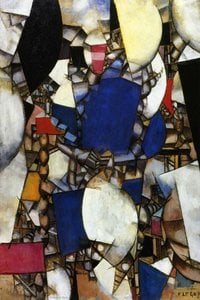
Pă তুলului său se mișca cu o precizie ritmică, aproape industrială, căutând să surprindă pulsul unei epoci în continuă transformare. Fernand Léger a renunțat la umbrele moi și difuze ale trecutului, alegând în schimb să își construiască compozițiile printr-un limbaj al unei forțe geometrice robuste. Această evoluție a dus la nașterea unei forme personale de cubism, pe care criticii au identificat-o sub numele de „Tubism”. În acest stil, lumea era reimaginată prin forme tubulare, conice și cubice, creând un sentiment de volum care părea simultan solid și dinamic. El nu se limita doar la pictarea obiectelor; el căuta să descopere logica lor structurală esențială.
Culorile pe care le alegea erau la fel de asertive ca formele pe care le umplau. Artistul prefera o paletă dominată de culorile primare, adesea punctată de un alb și negru puternic, elemente care ajutau la definirea contururilor ascuțite ale subiectelor sale. În loc să se bazeze pe iluzionismul tradițional, el aplica vopseaua în planuri de culoare îndrăznețe și aplatizate. Utiliza adesea un impasto dens, o tehnică ce accentua prezența fizică a mediului pe pânză. Această abordare texturală asigura o senzație de ancorare și materialitate în lucrările sale, oglindind chiar acele mașinării și structuri urbane pe care le admira atât de mult. Figurile sale preluau adesea forme elegante, cu aspect mecanic, estompând linia dintre forma umană organică și precizia ingineristică a erei moderne.
- Nudes in the Forest (1910)
- The Woman in Blue (1912)
- Soldier with a Pipe (1916)
- The Mechanic (1920)
Anii de la următoarele și moartea
Fluxurile schimbătoare ale conflictelor globale au ajuns, în cele din urmă, să îl îndepărteze pe artist de cercurile pariziene, purtându-l peste Oceanul Atlantic. Între anii 1940 și 1945, acesta a trăit în Statele Unite, o perioadă care i-a oferit o perspectivă diferită asupra lumii moderne pe care a căutat atât de mult să o traducă pe pânză. Această experiență în străinătate a reprezentat o pauză în lunga sa evoluție, un moment de tranziție înainte de întoarcerea sa definitivă pe pământul Franței.
La întoarcerea în patria sa, viața sa personală a cunoscut o schimbare semnificativă. În februarie 1952, acesta s-a căsătorit cu Nadia Khodasevich. Această uniune a marcat un capitol final în existența sa, un timp petrecut în mijlocul unei producții continue de opere diverse, de la fresce de mari dimensiuni până la vitralii delicate. Chiar și în anii de maturitate, recunoașterea sa a rămas constantă pe scena internațională. În 1955, a câștigat Marele Premiu la Bienala de la São Paulo, un onor de înaltă rang care a venit în același an cu plecarea sa din această lume. Fernand Léger a decedat pe 17 august 1955, la Gif-sur-Yvette, Franța.
Moștenire și Influență
Fernand Léger a lăsat în urmă o amprentă care a depășit cu mult cercurile de avangardă ale timpului său. Prin faptul că a creat o punte între arta abstractă și reprezentarea figurativă, el a oferit artiștilor o cale de a interacționa cu lumea modernă fără a abandona complet subiectul uman. Abordarea sa a permis un dialog între logica structurală a geometriei și prezența recognoscabilă a oamenilor și a obiectelor. Această capacitate de a găsi un punct de echilibru între pur conceptualul și tangibil a ajutat la modelarea direcției multor mișcări artistice care au urmat.
Simplificarea sa îndrăzneață a formei și fascinația pentru estetica producției de masă au acționat ca un precursor al mișcării pop art. El a descoperit o anumită frumusețe în natura repetitivă și funcțională a erei mașinilor, o perspectivă care va resona ulterior cu o nouă generație de creatori. Artiști precum Roy Lichtenstein și Andy Warhol au tras o linie clară de la experimentele sale cu contururi puternice și imagini mecanice către propriile lor explorări ale culturii populare. El a ajutat la pregătirea limbajului vizual pentru o eră care, în cele din urmă, va celebra tocmai elementele industriale și comerciale pe care el a căutat să le traducă pe pânză.
Unde poți vedea astăzi operele sale
Pentru a întâlni prezența fizică a viziunii sale, un călător ar putea îndrepta pașii spre sudul Franței, mai exact în Biot, în departamentul Alpes-Maritimes. Aici se află Musée national Fernand Léger, un loc dedicat întru tot parte studiului și conservării producției sale creative. Muzeul ocupă Mas Saint-André, o vilă care a aparținut artistului însuși. Între aceste ziduri și în grădinile din împrejurimi, sculpturile sale ceramice policrome își găsesc decorul ideal, permițând privitorului să observe modul în care formele sale interacționează cu lumina și spațiul peisajului mediteranean.
Dincolo de acest sanctuar specializat, pânzele și sculpturile sale sunt păstrate în cadrul unor instituții de renume. Musée d'Art et d'Histoire din Franța deține o colecție a lucrărilor sale, asigurând prezența sa în narațiunea amplă a artei franceze. Aceste colecții permit continuarea studiului asupra modului în care a tradus energia erei mașinilor în forme vizuale statice, dar pulsante. Călătorii care caută estetica sa specifică își pot găsi urmele în mai multe colecții majore, printre care:
Influența sa persistă și în operele altor artiști, însă principala modalitate de a fi martori ai muncii sale directe este prin intermediul acestor depozite consacrate. Fie că observăm formele cilindrice îndrăznețe într-un cadru muzeal sau că privim sculpturile sale în liniștea unei grădini, privitorul este întâmpinat de aceeași claritate structurală ce i-a definit întreaga creație. Moștenirea sa rămâne ancorată în aceste locații specifice, unde ritmurile grele și mecanice ale picturilor sale sunt păstrate pentru cei care caută adevărul geometriei sale.


 Previzualizare
 Trimite prin felicitare
 Distribuie
 Detalii despre lucrare
 Ghid
Ghid

 Descarcă imaginea
 Produse similare
 Radiografie
 Galerie foto
 Întrebări și răspunsuri
 Statistici

 Vezi mai mult
 Comută pe versiunea Print





































 Opțiunea cu sticlă este disponibilă doar pentru dimensiuni de sub 110 cm