Biografie artist
A Life Etched in Symbolism: The World of Ferdinand Hodler
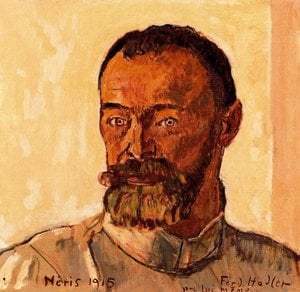
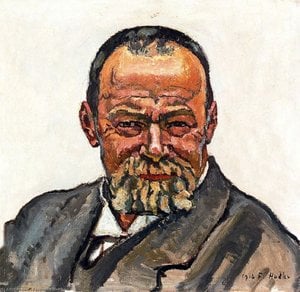
Ferdinand Hodler, un nume inextricabil legat de peisajul picturii elvetiene și de limbajul puternic al simbolismului, a urcat din origini modeste pentru a deveni unul dintre cei mai importanți artiști ai sfârșitului de secol XIX și începutul secolului XX. Născut în Berna, Elveția, în 1853, viața sa a fost profund modelată de pierderile timpurii – un temă recurentă care ar persista în viziunea sa artistică. Decesurile premature ale tatălui său și ai doi frați mai mici înainte de vârsta lui adolescentă au aruncat o umbră lungă, instillând în el o contemplare profundă asupra mortalității și a naturii trecătoare a existenței. Aceste experiențe, împletite cu o sensibilitate acută la frumusețea și puterea lumii naturale, au devenit elemente centrale ale evoluției sale artistice. Inițial angajat ca decorator, talentul său innăscut a transcendat rapid meșteșugul; el tâncea după o formare formală și o explorare artistică dincolo de constrângerile muncii comerciale. Această ambiție l-a condus la Geneva în 1871, unde s-a scufundat în studiu, participând la cursuri științifice alături de copierea diligentă a capodoperelor din muzeul orașului – o educație riguroasă care a pus bazele viitoarelor sale inovații.
De la Realism la ‘Paralelism’: Forjarea unei Viziuni Unice
Călătoria artistică a lui Hodler a fost caracterizată de o evoluție constantă și de o căutare neobosită a puterii expresive. Primele sale lucrări au reflectat stilul realist dominant al vremii – portrete, peisaje și scene de gen executate cu detalii meticuloase. Cu toate acestea, el s-a simțit curând constrâns de aceste convenții, căutând un mijloc de a exprima adevăruri emoționale mai profunde și idei filozofice. Această căutare l-a condus către simbolism, o mișcare care respingea reprezentarea naturalistică în favoarea experienței subiective și a imaginilor evocatoare. Cu toate acestea, Hodler nu a adoptat pur și simplu dogmele simbolismului; mai degrabă, a forjat propriul drum unic, dezvoltând ceea ce el numea “paralelism”. Acest stil distinctiv implica aranjarea figurilor și formelor în modele ritmice, aproape geometrice, creând un sentiment atât de armonie, cât și de tensiune – o reprezentare vizuală a interconectării. Era o încercare de a reprezenta nu doar *ce* vedea, ci *cum* se simțea – curenții emoționali subiacenți care conectau toate lucrurile. *Noaptea* (1890), considerată una dintre cele mai ambițioase și cele mai celebrate opere ale sale, a marcat în mod decisiv această întoarcere către imagini simboliste, provocând o controversă semnificativă cu reprezentarea sa sugestivă a figurilor pante într-o poziție de repaus. În ciuda criticilor inițiale, pictura a câștigat atenție în Paris, stabilind reputația lui Hodler dincolo de granițele Elveției și semnalând sosirea unei voci cu adevărat originale.
Puncte Cheie în Pictură: Lucrări Notabile și Semnificația Lor
Pe parcursul carierei sale productive, Hodler a creat un corp impresionant de lucrări care rezonează astăzi cu publicul. Ziua (1893), considerată una dintre cele mai ambițioase și cele mai celebrate realizări ale sale – o pictură istorică monumentală care demonstrează măiestria sa în compoziție și simbolism, este un meditație puternică asupra vieții, a morții și a regenerării. Așezată în Kunsthaus Zürich, această operă de artă este o reflecție puternică asupra condiției umane, realizată cu o combinație impresionantă de realism și intensitate vizionară. Dimensiunea imensă și greutatea emoțională a Zilei au consolidat poziția lui Hodler ca figură proeminentă în arta europeană. Alte opere notabile includ numeroase reprezentări ale Alpilor elvețieni, impregnate de un sentiment de măreție impresionantă, și portrete care dezvăluie o înțelegere profundă a psihologiei umane. El a abordat frecvent teme precum pierderea și doliul, poate reflectând propriile traume din copilărie, dar le-a infuzat întotdeauna cu un sentiment de demnitate și reziliență. Picturile sale nu erau doar reprezentări; erau peisaje emoționale, invitând privitorii să mediteze asupra întrebărilor fundamentale ale existenței. Lucrări precum *Adevărul II* (1897) demonstrează capacitatea lui Hodler de a combina forme clasice cu sensibilități moderne, creând imagini care sunt atât atemporale, cât și surprinzător de contemporane – un testament al spiritului său inovator.
Un Moștenire Durabilă: Influența și Contextul Istoric
Influența lui Ferdinand Hodler s-a extins mult dincolo de granițele Elveției. Utilizarea sa inovatoare a simbolismului și dezvoltarea “paralelismului” au deschis drumul către expresionism, cu accentul său pe emoția subiectivă și formele distorsionate. Artiștii care au urmat exemplul său au recunoscut-o ca pe un precursor al explorărilor lor proprii de experiență interioară. Lucrarea lui Hodler a rezonat, de asemenea, cu curentele culturale mai largi ale sfârșitului secolului XIX și începutul secolului XX – o perioadă marcată de schimbări sociale rapide, progrese științifice și un sentiment tot mai mare de anxietate existențială. Picturile sale au oferit un limbaj vizual pentru a aborda aceste probleme complexe, oferind consolare și înțelegere într-o lume din ce în ce mai incertă. Astăzi, operele lui Hodler sunt expuse în muzee importante din Europa și dincolo de aceasta, asigurând că viziunea sa artistică continuă să inspire și să provoace generațiile viitoare de privitori. El rămâne o figură impunătoare în istoria artei elvețiene, celebrat nu numai pentru abilitatea sa tehnică, ci și pentru profunzimea emoțională profundă și angajamentul său neclintit de a explora misterele condiției umane.



 Vezi în context
 Comandă pictură realizată manual
 Trimite
 Distribuie
 Detalii
 Ghid
Ghid

 Descarcă
 Produse similare
 Radiografie
 Diaporama
 Statistici


 Citește mai mult






































 Opțiunea cu sticlă este disponibilă doar pentru dimensiuni de sub 110 cm