CONSULTAȚIE GRATUITĂ ÎN ARTE VIZUALE

x
Comandă tipăritul Comandă tipăritulComandă reproducere pictată Comandă reproducere pictată TrimiteTrimite
DetaliiDetalii Adaugă la favorite Adaugă la favorite DescarcăDescarcă SimilareSimilare Raze XRaze X DiaporamaDiaporama

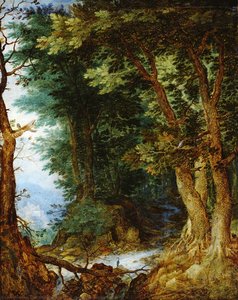
Forest Landscape

Experience the tranquility of nature with Eugène Boudin's "Forest Landscape." This 1856 Impressionist masterpiece captures fleeting light & color through visible brushstrokes.

Eugène Boudin (1824-1898): Pionier al picturii în aer liber, influență majoră pentru impresionism! Descoperiți peisajele sale atmosferice, scenele de coastă și studiile magistrale de lumină!

Achiziționați o imagine digitală îmbunătățită și de înaltă rezoluție, mult superioară previzualizării online.

Fiecare fișier este pregătit cu meticulozitate de specialiștii noștri interni, utilizând instrumente avansate și retușare manuală expertă. Ne asigurăm că fiecare imagine beneficiază de o claritate excepțională, o acuratețe precisă a culorilor și detalii fine.

Fișierul final este livrat prin e-mail în termen de 72 de ore, optimizat pentru utilizare imediată în medii profesionale, editoriale și de imprimare. Aceasta este aceeași calitate în care au încredere studiouri de design, edituri și galerii de top.

Imagine Digitală

Descărcați un fișier la rezoluție înaltă pentru afișare personală, imprimare și proiecte creative.

Preț total

$9.99

Inclus în fiecare comandă de imagini digitale

Livrare digitală de expertiză, garantată

Când alegeți WahooArt.com, nu primiți doar o simplă imagine – primiți o operă de artă digitală îmbunătățită profesional, creată cu precizie și susținută de o garanție de satisfacție. Iată tot ceea ce primești odată cu comanda ta, în mod automat:

shipping_icon
Livrare rapidă prin e-mail

Fișierul imaginii digitale la rezoluție înaltă vă va fi trimis prin e-mail în termen de 72 de ore de la finalizarea comenzii – gata pentru utilizare imediată.

canvas_icon
Fișier digital optimizat prin IA

Opera ta de artă este optimizată profesional prin intermediul unor instrumente AI avansate și al editării manuale, asigurând un nivel maxim de detalii, claritate și acuratețe a culorilor.

insurance_icon
Retransmitere gratuită pe viață

Ai șters sau ai pierdut din greșeală fișierul? Nu îți face griji – ți-l vom retrimite oricând, gratuit.

tax_icon
Fără taxe de import – Întotdeauna

Bucură-te instant de opera ta de artă, fără taxe vamale, taxe de import sau costuri de livrare – descărcările digitale sunt întotdeauna fără taxe.

color_icon
Garanția acurateței culorilor

Asigurăm că imaginea ta digitală reflectă culorile originale cât mai fidel posibil, utilizând instrumente profesionale și procese de gestionare a culorii.

return_icon
Garanție de satisfacție de 60 de zile

Dacă nu sunteți mulțumit de imaginea digitală achiziționată, o vom revizui sau vă vom returna 100% în termen de 60 de zile – fără nicio explicație necesară.

guarantee_icon
Garanție de returnare 100% a banilor

Nu ești mulțumit? Obține o rambursare completă în termen de 60 de zile de la primirea fișierului tău digital – fără întrebări.

discount_icon
Reduceri pentru comenzi multiple

Cumpără 3 imagini, economisește 10% - Cumpără 5, economisește 15% - Cumpără 10+, economisește 20%. Ideal pentru proiecte creative, galerii și agenții.

Informații rapide

  • Medium: Oil on canvas
  • Title: Forest Landscape
  • Year: 1856
  • Notable elements or techniques:
    • Visible brushstrokes
    • Atmospheric perspective
  • Artist: Eugène Louis Boudin
  • Movement: Impressionism

Test de cunoștințe despre artă

Fiecare întrebare are un singur răspuns corect.

Întrebare 1:
What artistic movement is Eugène Boudin’s "Forest Landscape" most closely associated with?
Întrebare 2:
Which of the following best describes the technique used to create the painting's textured surface?
Întrebare 3:
What is a key characteristic of Impressionist paintings like 'Forest Landscape' regarding perspective?
Întrebare 4:
What was Eugène Boudin’s early career experience that influenced his artistic development?
Întrebare 5:
What is the dominant color palette used in 'Forest Landscape'?

Descrierea obiectului de colecție

A Glimpse of Rural Tranquility: Eugène Boudin's "Forest Landscape"

This captivating artwork by Eugène Louis Boudin offers a serene glimpse into 19th-century rural life. Painted in 1856, “Forest Landscape” exemplifies the burgeoning Impressionist movement, capturing a scene of rolling hills, trees, and a bright blue sky dotted with puffy clouds. The painting depicts a path winding through the foreground, leading towards a wooded area – an invitation to wander into nature's embrace. Boudin masterfully utilizes loose brushstrokes and atmospheric perspective to create a sense of depth and distance, drawing the viewer into the scene’s tranquil atmosphere. It is more than just a depiction of a landscape; it's an exploration of light, color, and the fleeting beauty of the natural world.

Impressionistic Technique and Artistic Influences

Boudin was a pioneer in *plein air* painting – taking his easel outdoors to directly observe and capture nature’s ever-changing effects. This technique is vividly apparent in "Forest Landscape," where visible brushstrokes build up form and create a shimmering, textured surface. The color palette, dominated by greens and blues with touches of brown and yellow, further enhances the impressionistic style. Boudin's work was heavily influenced by Dutch masters and particularly by Johan Jongkind, who introduced him to *plein air* painting. He also received recognition from Charles Baudelaire and Corot, who lauded him as "the king of the skies," a testament to his exceptional ability to portray atmospheric conditions. The flattened perspective, characteristic of Impressionism, prioritizes overall impression over strict spatial accuracy, allowing the viewer to experience the scene's emotional resonance rather than precise detail.

Historical Context and Boudin’s Legacy

Painted during a period of significant artistic transition, "Forest Landscape" reflects the shift away from traditional academic painting towards a more subjective and observational approach. Boudin played a crucial role in paving the way for Impressionism, significantly influencing artists like Claude Monet and others who would later define the movement. His focus on capturing fleeting moments and atmospheric conditions challenged conventional notions of artistic representation and helped establish a new aesthetic sensibility. Boudin's dedication to painting outdoors directly contributed to the development of *plein air* techniques that became central to Impressionist practice, solidifying his place as a foundational figure in art history.

Emotional Impact and Symbolic Elements

Beyond its technical brilliance, "Forest Landscape" evokes a profound sense of tranquility and peace. The soft lighting, the winding path, and the harmonious color palette all contribute to an atmosphere of serenity. The painting subtly suggests themes of nature's restorative power and the beauty found in everyday scenes. While not overtly symbolic, the path can be interpreted as representing life’s journey or a connection between humanity and the natural world. The overall emotional impact is one of quiet contemplation and appreciation for the simple pleasures of rural life – an invitation to pause and reflect on the beauty that surrounds us.

Opere de artă similare


Biografie Artist

Early Life and Artistic Beginnings

Eugène Louis Boudin, born in the picturesque coastal town of Honfleur, France, in 1824, was destined to be inextricably linked to the sea from his very first breath. His father, a respected harbor pilot, instilled within him an early and profound appreciation for the ever-changing moods, the dramatic shifts in light, and the captivating beauty of the maritime world—a love that would become the bedrock of Boudin’s artistic vision. Unlike many of his contemporaries who pursued formal academic training, young Eugène embarked on a more unconventional path, beginning his working life at the tender age of ten as a cabin boy aboard a steamboat traversing between Le Havre and Honfleur. It was during these voyages—amongst the rhythmic churn of the paddle wheels and the salty spray of the waves—that he first felt an irresistible compulsion to capture those fleeting, ephemeral impressions of light and water with quick sketches in the margins of his books – the nascent stirrings of a lifelong passion for art. The family’s subsequent move to Le Havre, where his father established a thriving stationery shop and picture-framing business, further immersed Boudin within an artistic environment. He diligently worked alongside his father, eventually branching out to open his own small shop—a venture that brought him into contact with a vibrant community of local artists, including the influential Constant Troyon and Jean-François Millet, who recognized his burgeoning talent and generously encouraged his artistic pursuits. These early encounters proved pivotal, gently steering him away from the confines of commerce and firmly establishing his path towards a dedicated life devoted to painting.

Developing a Unique Style: Plein Air Painting and Influences

Boudin’s artistic development was profoundly shaped by a confluence of key influences—a delicate balance between tradition and innovation. A watershed moment arrived with his introduction to Johan Jongkind, a Dutch painter who passionately championed the revolutionary practice of *en plein air* painting – capturing nature directly from life outdoors. This groundbreaking approach allowed Boudin to translate the ephemeral qualities of light and atmosphere with an unprecedented immediacy and sensitivity. He embraced this technique wholeheartedly, rapidly developing a remarkable skill in rendering the subtle nuances of sky, sea, and shoreline—transforming fleeting moments into enduring works of art. His style also drew inspiration from the masterful techniques of the 17th-century Dutch masters, particularly their meticulous attention to detail, their sophisticated use of atmospheric perspective, and their ability to evoke a profound sense of realism. Boudin’s pastels, characterized by their delicate layering of color and economical brushwork, quickly gained recognition among his peers and critics. The artist's dedication to capturing the essence of light and atmosphere was further solidified through interactions with other prominent figures in the Parisian art scene, including Troyon and Isabey.

Impressionism and Early Recognition

Boudin’s artistic journey intersected with the burgeoning Impressionist movement during a crucial period of transition. While he never fully identified as an “Impressionist” in the strict sense of the term, his work shared many characteristics with this revolutionary style—a focus on capturing fleeting moments, an emphasis on light and color, and a rejection of traditional academic conventions. He participated in the first Impressionist exhibition of 1874, showcasing several of his evocative beach scenes and seascapes alongside Claude Monet, Edgar Degas, and other pioneering artists. This participation marked a significant step towards recognition for Boudin’s innovative approach to painting. Notably, Charles Baudelaire, the celebrated poet and critic, played a pivotal role in elevating Boudin's reputation by praising his ability to convey the essence of a scene with remarkable economy and sensitivity—a testament to the artist’s profound understanding of light and atmosphere. Boudin’s work was lauded for its honesty and directness, capturing the beauty of everyday life with an almost effortless grace.

Major Works and Artistic Themes

Throughout his prolific career, Eugène Boudin produced a vast body of work that is characterized by a deep connection to the sea and coastal landscapes of Normandy—his beloved homeland. “Still Life with Lobster on a White Tablecloth”, now housed at the High Museum of Art in Atlanta, exemplifies his somber yet noble approach to still life painting, imbued with a sense of quiet contemplation and an appreciation for the simple pleasures of life. His beach scenes, populated with figures engaged in leisurely pursuits—fishing, strolling along the shore, or simply basking in the sun—capture the vibrancy and vitality of seaside life with remarkable detail and sensitivity. “Honfleur, the Saint Catherine Market Place” showcases his skill at depicting bustling urban environments bathed in the warm glow of natural light, capturing the energy and dynamism of a thriving port town. Boudin’s paintings consistently explored themes of transience, atmosphere, and the profound interplay between humanity and nature—a reflection of his deep connection to the world around him. He possessed an exceptional ability to convey the subtle shifts in weather and light, creating works that evoke a powerful sense of place and mood, transporting the viewer directly into the heart of the scene.

Final Years and Enduring Legacy

In his later years, Boudin continued to travel extensively, seeking inspiration in Belgium, the Netherlands, and southern France—each journey enriching his artistic vision and expanding his repertoire of subjects. He also made several visits to Venice, captivated by its unique light, its intricate architecture, and its timeless beauty. Despite facing increasing health challenges, he remained remarkably productive, consistently exhibiting his work, mentoring younger artists, and refining his distinctive style. Eugène Louis Boudin passed away in 1898 at Deauville, overlooking the English Channel that had so profoundly shaped his life and art—a fitting end for a man who dedicated his entire existence to capturing its beauty on canvas. His legacy extends far beyond his own paintings; the Eugène Boudin Prize, awarded by the Société Nationale des Beaux-Arts, stands as a lasting tribute to his enduring influence on generations of artists—a testament to his profound contribution to French art and culture. Today, his works are celebrated in museums across the globe, including the Musée d’Orsay in Paris, where several of his most iconic paintings—such as “Landscape with Sunset”—are proudly displayed for all to admire. Boudin's remarkable career serves as a powerful reminder of the transformative power of observation, the enduring beauty of nature, and the timeless allure of the sea.

Eugène Boudin

Eugène Boudin

1824 - 1898 , Franța

Detalii rapide

  • Artistic Movement Or Style: Impresionism
  • Artists Or Movements Influenced By This Artist:
    • Claude Monet
    • Impresionism
  • Artists Who Influenced This Artist:
    • Johan Jongkind
    • Maestri olandezi
  • Date Of Birth: 12 iulie 1824
  • Date Of Death: 8 august 1898
  • Full Name: Eugène Louis Boudin
  • Nationality: Francez
  • Notable Artworks:
    • Still life cu crab
    • Peisaj cu apus de soare
    • Portret cu o fetiță
  • Place Of Birth: Honfleur, Franța