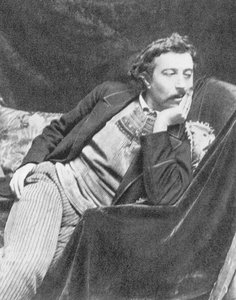
A Life Painted in Bold Strokes: The World of Paul Gauguin
Eugène Henri Paul Gauguin, un nume care rezonează cu culoare vibrantă și spirit rebel, se află printre figurile cheie în tranziția de la Impresionism la arta modernă. Născut în Paris în 1848, viața sa nu a fost deloc convențională. Anii săi timpurii au fost modelați de o educație neobișnuită; tatăl său era jurnalist, iar mama sa descindea dintr-o aristocrație peruviană – bunica sa, Flora Tristan, o scriitoare feministă și socialistă pionieră, ale cărei idei au rezonat cu siguranță în familie. Acest moștenire a influențat profund viziunea artistică a lui Gauguin, instillindu-i o fascinație pentru culturi dincolo de Europa. O perioadă formativă petrecută în Peru ca copil, urmărind familia sa în 1850, l-a imersat într-o lume cu totul diferită de societatea pariziană, o experiență care a persistat și a alimentat în cele din urmă căutarea lui Gauguin pentru autenticitate în artă. Reîntoarcerea în Franța după moartea tatălui său l-a dus la o educație formală, dar s-a simțit atras de lumea financiară, începând o carieră ca broker de acțiuni – un drum aparent incompatibil cu destinul artistic care îl aștepta.
De la Finanțe la Apel Artistic
În ani de zile, Gauguin a condus o viață dublă, urmărind diligent afacerile sale și cultivând în secret pasiunea pentru pictură. Inițial influențat de Impresioniști, a început să experimenteze cu culoare și lumină în timpul liber, dar curând s-a simțit constrâns de dedicarea lor la capturarea momentelor fugare ale realității. Criza financiară din 1882 a reprezentat o întorsătură de situație, forțându-l să abandoneze cariera sa profitabilă și să îmbrățișeze cu toată puterea chemarea artistică. Nu a fost doar o schimbare de profesie; a fost o schimbare fundamentală în viziunea asupra lumii. A căutat îndrumare de la Camille Pissarro, care l-a încurajat și l-a prezentat cercului avantgardist din Paris. Cu toate acestea, Gauguin a început rapid să se abată de la principiile Impresioniste, tânjind după ceva mai expresiv, mai simbolic – un mijloc de a comunica nu doar ce *vedea*, ci ceea ce *simțea*. Această dorință l-a condus într-o călătorie de explorare artistică care ar duce la depășirea salonurilor pariziene și în inima culturilor „primitive”. Nu era doar interesat să reprezinte aceste culturi; dorea să le absoarbă esența, crezând că acestea ofereau o puritate pierdută în civilizația occidentală.
Chemarea din Brittany și Tahiti
Evoluția artistică a lui Gauguin a fost inextricabil legată de călătoriile sale. A petrecut timp în Bretania, fascinat de peisajele accidentate și tradițiile adânc înrădăcinate ale poporului său. Această perioadă l-a văzut experimentând cu forme aplatizate, contururi îndrăznețe și simplificarea compoziției – tehnici care l-au dus mai departe de naturalism și mai aproape de un limbaj simbolic. Dar călătoria sa către Tahiti în 1891 a eliberat cu adevărat potențialul său creativ. Căutând refugiu de la ceea ce percepea ca fiind constrângerile sufocante ale civilizației europene, Gauguin spera să găsească inspirație în cultura polineziană, crezând că aceasta oferea o cale mai autentică și spirituală de viață. Nu a fost doar o întreprindere artistică; a fost o căutare spirituală. S-a implicat în obiceiurile locale și credințele, reprezentându-le pe femeile polinezienii, pe peisaje și practici religioase prin intermediul viziunii sale unice. Influențat de gravurile japoneze – *Japonisme* – și arta medievală, a dezvoltat o estetică distinctivă caracterizată de culori vibrante, subiecte exotice și o aură de mister. Picturi iconice precum
„Vahine no te miti” (Femeia cu mango),
„Manao Tupapau” (Observată de spiritul morții) și
„Ziua zeilor au apărut în această perioadă, consolidând reputația sa ca artist visionary. Utilizarea culorii sale a devenit din ce în ce mai îndrăzneață și non-naturalistică, servind nu pentru a reproduce realitatea, ci pentru a exprima emoție și semnificație spirituală.
Moștenire și Controversă
În ciuda realizărilor sale artistice, viața lui Gauguin a fost adesea marcată de dificultăți. A avut probleme financiare și o sănătate în declin în timpul petrecerii sale în Tahiti și ulterior pe Insulele Marquesas, unde s-a stabilit în cele din urmă. Cu toate acestea, a continuat să picteze prolific, explorând fără încetare teme legate de viață, moarte și spiritualitate. A murit în 1903 pe insula Hiva Oa, un mic sat îndepărtat din arhipelagul Marquesas, fiind recunoscut în mare parte pentru geniul său. Abia după moartea sa lucrarea lui Gauguin a început să primească aprecierea cuvenită. Astăzi, el este celebrat ca o figură cheie în dezvoltarea artei moderne, punând capăt tranziției de la Impresionism la Simbolism și deschizând calea pentru mișcări precum Fauvismul. Utilizarea sa a culorii, formele simplificate și imaginea simbolică au influențat profund artiști precum Pablo Picasso, Henri Matisse și mulți alții. Cu toate acestea, Gauguin rămâne o figură controversată din cauza anumitor aspecte ale vieții sale personale – în special relațiile sale cu tinerii femei polinezienii – care sunt încă dezbătute și reinterpretate în lumina considerațiilor etice contemporane. Înțelegerea sa este totuși incontestabilă, iar moștenirea sa continuă să inspire artiști și iubitori de artă din întreaga lume. A fost un inovator adevărat, un rebel care a îndrăznit să sfideze convențiile și să-și creeze propriul drum, lăsând în urmă o operă de artă atât de captivantă și enigmatică ca omul însuși.
Influențe Cheie & Caracteristici Artistice
- Impresionism: Influență timpurie asupra culorii și a luminii, mai târziu respinsă pentru concentrarea sa pe momente fugare ale realității.
- Japonisme: A inspirat perspective aplatizate, contururi îndrăznețe și modele decorative.
- Artă Medievală: Influențată de imaginea simbolică și de respingerea realismului strict.
- Simbolism: Un stil dezvoltat de Gauguin care sublinia crearea de artă bazată pe experiența subiectivă, mai degrabă decât pe observația obiectivă.
- Primitivism: Fascinație pentru culturile non-occidentale, crezând că acestea ofereau o cale mai autentică și spirituală de viață. Acest lucru se reflectă în subiectele sale și în alegerile sale stilistice.



 Previzualizare
 Comută pe Print
 Trimite
 Distribuie
 Detalii despre lucrare

 Descarcă
 Produse similare
 Radiografie
 Diapozitive automate
 Statistici


 Vezi mai mult