


 Ulei pe pânzăArtă de peretePost-Impressionism
 1873Secolul al XIX-lea
 38.0 x 46.0 cm
Printuri giclée sau pe canvas de calitate muzeală, cu proces de producție rapid și opțiuni flexibile de finisare. ( Comandă pictură lucrată manual Cumpără imaginea)





























Alegeți dintre dimensiunile noastre prestabilite, care respectă proporțiile originale ale operei de artă.

Puteți introduce propriile dimensiuni pentru a se potrivi unui anumit cadru sau spațiu. Dacă dimensiunea selectată nu corespunde proporțiilor imaginii originale, vom decupa lucrarea de artă sau vom extinde imaginea cu margini oglindite sau cu o culoare uniformă. Un mockup digital va fi trimis pentru aprobarea dumneavoastră înainte de începerea producției.
Vă rugăm să rețineți că previzualizarea de pe ecran nu reflectă decuparea sau extinderea reală. Doar mockup-ul va arăta cu exactitate compoziția finală.
Deși dimensiunile personalizate sunt disponibile, vă recomandăm să selectați o dimensiune din lista predefinită pentru a păstra proporțiile originale.
Livrare în întreaga lume () în 2 săptămâni, în loc de cele 4/5 săptămâni standard. (6 Septembrie)


Clearing
Dimensiune reproducere
Paul Gauguin's "Clearing," painted in 1873, isn’t merely a landscape; it’s an immersion into the artist’s evolving vision and a poignant glimpse of his burgeoning interest in capturing the essence of both nature and human experience. This work, residing within the early chapters of Gauguin’s artistic development, stands as a crucial precursor to his later, more intensely symbolic explorations of Tahiti and beyond. It reveals a young Gauguin grappling with color, form, and the very act of representing the world around him – a process he would relentlessly reinvent throughout his career.
The scene itself is deceptively simple: two figures, rendered in muted tones yet imbued with a quiet dignity, stand within a grassy field. Surrounding them are trees, not sharply defined but rather suggested through dappled light and shadow, creating an atmosphere of profound tranquility. The composition isn’t concerned with dramatic perspective or meticulous detail; instead, Gauguin prioritizes the *feeling* of the space – a sense of openness, peace, and connection to the natural world. This deliberate choice reflects his growing departure from the prevailing Impressionist focus on fleeting moments and optical accuracy, moving towards a more subjective and emotionally driven approach to painting.
“Clearing” is deeply rooted in Gauguin’s nascent exploration of what would later become known as “Synthetism.” This revolutionary style, developed during his time in Brittany, sought to move beyond mere representation, aiming instead to synthesize color and form into a unified visual experience. Notice the bold, flattened planes of color – the greens of the field, the browns of the trees, the subtle blues of the sky – applied with thick, visible brushstrokes. These aren’t attempts to mimic reality; they are deliberate choices designed to evoke mood and atmosphere. Gauguin's use of complementary colors—the juxtaposition of green and orange, for example—creates a vibrant energy that subtly animates the scene.
Furthermore, the figures themselves are rendered with an almost schematic quality. Their forms are simplified, their features indistinct, serving primarily as anchors within the landscape rather than subjects of intense scrutiny. This simplification is characteristic of Gauguin’s desire to strip away extraneous detail and focus on the essential elements of his subject matter – in this case, the harmony between humanity and nature.
Painted during a transitional period in art history, “Clearing” bridges the gap between Impressionism and the more radical movements that would follow. While influenced by the Impressionists’ interest in light and color, Gauguin rejects their emphasis on capturing fleeting moments of visual sensation. Instead, he utilizes these techniques to create a mood of contemplative serenity – a feeling that anticipates his later explorations of primitivism and symbolism.
The painting's historical context is also significant. Gauguin’s early years were marked by a restless search for authenticity and meaning, fueled by his upbringing in Peru and his subsequent return to France. This quest for genuine experience—a rejection of the superficiality of Parisian society—is powerfully reflected in “Clearing.” The figures within the clearing represent a moment of respite, a connection to something deeper than the everyday world.
For art enthusiasts seeking to bring the tranquility of Gauguin’s "Clearing" into their homes, WahooArt.com offers a meticulously crafted hand-painted oil painting reproduction on canvas. This isn't simply a print; it’s an artistic interpretation, painstakingly executed by skilled artisans who understand and respect the nuances of Gauguin’s style. The reproduction faithfully captures the bold colors, visible brushstrokes, and overall atmosphere of the original, ensuring that its serene beauty is preserved for generations to come.
Discover more about Paul Gauguin and his artworks on WahooArt: Paul Gauguin | Eugène Henri Paul Gauguin (1848-1903)

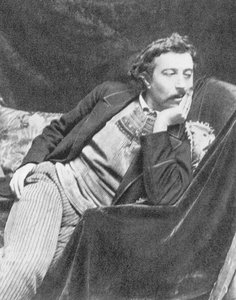
1848 - 1903 , Franța

Master the nuances of Impressionism vs. Post-Impressionism with our expert guide. Explore the revolutionary shift from Monet’s fleeting light to Van Gogh’s emotional depth. Discover how these iconic movements continue to inspire fine art collectors and modern interiors today.

Discover the profound emotional depth of Post-Impressionist landscapes. Explore how masters like Van Gogh revolutionized art through vibrant color, textured impasto, and symbolic expression in this expert guide to the movement that redefined modern art history.

 Previzualizare
 Trimite
 Distribuie
 Detalii despre lucrare

 Descarcă
 Produse similare
 Radiografie
 Diapozitive automate
 Vezi mai mult







 Opțiunea cu sticlă este disponibilă doar pentru dimensiuni de sub 110 cm


