


Obțineți un fișier gata de imprimare care depășește cu mult calitatea previzualizării web. Fiecare imagine digitală pe care o vindem provine dintr-un master de înaltă rezoluție din baza noastră de date — având, de regulă, o lățime între 5.000 și 15.000 de pixeli — astfel încât să puteți printa în format mare, să decupați strâns sau să reproduceți detalii fine cu încredere.
Niciun fișier nu părăsește studioul nostru fără să fie tratat. Un expert digital verifică nuanțele de culoare în raport cu pictura originală și le corectează acolo unde este necesar, apoi îmbunătățește claritatea și detaliile folosind instrumente profesionale de retușare — rămânând întotdeauna fidel gestului pictural și stilului artistului. Rezultatul este o imagine care seamănă cu tabloul propriu-zis, nu cu o scanare filtrată.
Aprobați înainte de finalizare: expertul nostru vă va trimite imaginea prin e-mail în termen de 72 de ore pentru revizuire. Nu sunteți mulțumit? Solicitați îmbunătățiri sau corecturi, ori cereți o restituire a plății dacă calitatea nu este pe măsura așteptărilor.
Aceasta este calitatea pe care se bazează editorii, studiourile de design, galeriile și tipăriturile.
Descărcați un fișier la rezoluție înaltă pentru afișare personală, imprimare și proiecte creative. ( Comută pe versiunea Print Comandă pictură realizată manual)
Când alegeți WahooArt.com, nu primiți doar o simplă imagine – primiți o operă de artă digitală îmbunătățită profesional, creată cu precizie și susținută de o garanție de satisfacție. Iată tot ceea ce primești odată cu comanda ta, în mod automat:
Fișierul imaginii digitale la rezoluție înaltă vă va fi trimis prin e-mail în termen de 72 de ore de la finalizarea comenzii – gata pentru utilizare imediată.
Opera ta de artă este optimizată profesional prin intermediul unor instrumente AI avansate și al editării manuale, asigurând un nivel maxim de detalii, claritate și acuratețe a culorilor.
Ai șters sau ai pierdut din greșeală fișierul? Nu îți face griji – ți-l vom retrimite oricând, gratuit.
Bucură-te instant de noua ta operă de artă, fără taxe vamale, taxe de import sau costuri de livrare – descărcările digitale sunt întotdeauna fără taxe.
Asigurăm o reflectare cât mai fidelă a culorilor originale în imaginea ta digitală, prin utilizarea unor instrumente profesionale și a proceselor de gestionare a culorii.
Dacă nu sunteți mulțumit de imaginea digitală achiziționată, o vom revizui sau vă vom returna 100% în termen de 100 de zile – fără nicio întrebare.
Nu ești mulțumit? Primești rambursarea integrală în termen de 100 de zile de la primirea fișierului digital – fără nicio întrebare.
Cumpără 3 imagini, economisește 10% - Cumpără 5, economisește 15% - Cumpără 10+, economisește 20%. Ideal pentru proiecte creative, galerii și agenții.
Elioth Gruner's "Spring Frost," painted in 1919, isn’t merely a depiction of a rural scene; it’s an immersion into the very essence of Australian light and landscape. This evocative work, now residing within the Art Gallery of New South Wales, captures a fleeting moment – the nascent warmth of early morning breaking over a pastoral vista—with a remarkable sensitivity to atmosphere and texture. Gruner, a pivotal figure in Australian Impressionism, masterfully translates the raw beauty of the Emu Plains countryside into a painting that resonates with both serenity and vibrant energy.
The scene unfolds before us: a small herd of dairy cows stands bathed in the soft glow of the rising sun, their forms rendered with a loose, expressive brushstroke. The foreground is dominated by a field of grass, its texture achieved through short, choppy strokes that seem to shimmer with reflected light. Beyond this immediate focus, the eye drifts into a hazy distance, where rolling hills and a muted sky create an expansive sense of space. Gruner’s choice of palette—a symphony of earthy browns, ochres, and subtle blues—evokes the cool tones of dawn while simultaneously injecting warmth through the golden highlights that dance across the cows' hides and the dew-kissed grasses.
Gruner’s technique is deeply rooted in the Impressionist tradition, yet he possesses a distinctly Australian sensibility. He wasn’t simply aiming to replicate what he saw; instead, he sought to capture the *feeling* of that moment—the crispness of the air, the warmth on the skin, and the transformative power of light. His use of broken color, characteristic of Impressionism, creates a sense of movement and vibrancy within the painting. The colors aren’t blended smoothly; rather, they are applied in small, distinct strokes, allowing each hue to retain its individual identity and contribute to the overall luminosity of the scene.
Notably, Gruner was influenced by Max Meldrum's theories on color and light, a prominent figure in early 20th-century Australian art. Meldrum’s emphasis on “tone” – the fundamental quality of light—guided Gruner to prioritize capturing the subtle shifts in illumination across the landscape. This pursuit is evident in the painting’s masterful rendering of shadows and highlights, which create a dynamic interplay of form and atmosphere.
"Spring Frost" isn't just a beautiful landscape; it’s also a poignant reflection on rural life in early 20th-century Australia. The presence of the cows—symbols of industry, sustenance, and connection to the land—underscores the importance of agriculture within the Australian identity. The solitary figure of the farmer, subtly integrated into the scene, suggests a quiet dignity and a deep understanding of his environment. This painting offers a glimpse into a world where life was intimately connected to the rhythms of nature.
Beyond its representational qualities, “Spring Frost” is rich in symbolism. The title itself—"Spring Frost"—evokes a sense of delicate beauty and transient grace. The frost, barely perceptible yet undeniably present, hints at the fragility of life and the ephemeral nature of beauty. The painting’s overall mood is one of peaceful contemplation, inviting the viewer to slow down, appreciate the simple pleasures of rural existence, and connect with the natural world.
Reproductions of “Spring Frost” capture a significant portion of this original atmosphere. The artwork's enduring appeal lies in its ability to transport us to a bygone era—a time when life moved at a slower pace and the beauty of the Australian landscape was deeply revered. It remains a cornerstone of Australian art, embodying both the artistic innovation of its creator and the timeless allure of the bush.
"Spring frost" de Elioth Gruner utilizează o paletă de culori Neutrals. Această paletă definește caracterul cromatic general al operei.
Pentru "Spring frost", se recomandă o dimensiune de imprimare de Large. Sunt disponibile și alte dimensiuni, păstrând aceleași proporții.
Temele recurente ale lui Elioth Gruner includ impressionism, rural australia, emu plains landscape studies, light, atmosphere, pastoral scenes, wynne prize winning artwork, gruner's signature style; „Spring frost” se concentrează pe australian landscape, rural life, cows, farm scene, elioth gruner, 1919, plein air.

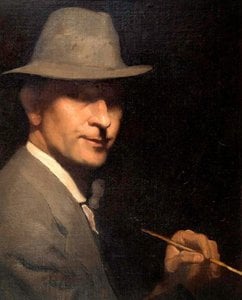
1882 - 1939 , Noua Zeelandă
 Previzualizare
 Trimite prin felicitare
 Distribuie
 Detalii despre lucrare
 Ghid
Ghid

 Descarcă imaginea
 Produse similare
 Radiografie
 Galerie foto
 Întrebări și răspunsuri
 Statistici


 Vezi mai mult


