Printuri giclée sau pe canvas de calitate muzeală, cu proces de producție rapid și opțiuni flexibile de finisare. ( Comandă pictură realizată manual Comută pe Imagine Digitală)





























Alegeți dintre dimensiunile noastre prestabilite, care respectă proporțiile originale ale operei de artă.

Introduceți lățimea și înălțimea necesare pentru a se potrivi ramei sau peretelui dumneavoastră. O printare poate fi doar tăiată, niciodată extinsă dincolo de dimensiunea imaginii originale, astfel încât o dimensiune cu o formă diferită va pierde o parte din imagine. Vă trimitem o simulare digitală pentru aprobare înainte de a imprima orice. Imaginea afișată pe această pagină nu prezintă tăierea reală — doar simularea arată acest lucru.
Livrare în întreaga lume () în 2 săptămâni, în loc de cele 4/5 săptămâni standard. (16 Noiembrie)
untitled (1348)
Dimensiune reproducere
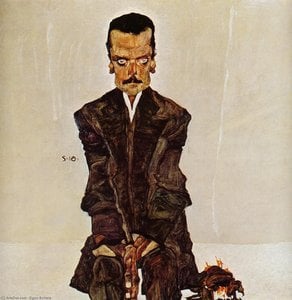
In the hauntingly beautiful monochrome sketch untitled (1348), Egon Schiele invites us into a profound confrontation with the human psyche. Created around 1918, during the twilight of his tragically short life and amidst the global upheaval of the First World War, this work serves as a visceral window into the soul. The subject—a solitary male figure—is captured in a moment of piercing intensity. His gaze does not merely observe the viewer; it pierces through the surface of the paper, demanding an emotional reckoning. There is an unsettling intimacy in the way Schiele positions the head and shoulders, forcing us to meet an expression that oscillates between profound vulnerability and a defiant, almost confrontational, strength.
The power of this piece lies in its masterful use of Expressionist technique, where the artist deliberately rejects the polished perfection of academic realism to prioritize raw, psychological truth. Schiele’s hand is visible in every jagged, angular line that defines the contours of the face and torso. Through a sophisticated application of hatching and cross-hatching, he creates depth and shadow without the need for color, using only the stark contrast of black and gray against a stark white void. These energetic, gestural marks do more than delineate form; they vibrate with a nervous energy, mirroring the internal tremors of anxiety and existential dread that characterized much of Schiele’s oeuvre.
Beyond its technical brilliance, untitled (1348) is a masterclass in symbolic minimalism. By stripping away the distractions of color, Schiele isolates the essential elements of human suffering and resilience. The monochromatic palette serves to amplify the dramatic impact of the composition, turning the artwork into a study of light and shadow that feels both timeless and immediate. The organic, often distorted shapes of the figure reflect the artist's preoccupation with the fragility of life—a theme deeply rooted in his personal history of loss and the broader cultural anxieties of early twentieth-century Vienna.
For the discerning collector or interior designer, this artwork offers a sophisticated focal point that commands attention through its quiet intensity. It is a piece that does not merely decorate a space but transforms it, providing a contemplative anchor for rooms designed for introspection and intellectual depth. Whether displayed in a modern gallery setting or as a striking element within a curated residential collection, Schiele’s work brings an unparalleled sense of historical gravity and emotional complexity. To possess a reproduction of such a seminal work is to hold a fragment of the Expressionist revolution, capturing that fleeting, beautiful moment where art transcends representation to become pure feeling.
Statutul drepturilor de autor pentru "untitled (1348)" - în domeniul public – drepturile de autor au expirat - este determinat de data decesului artistului, în anul 1918.
"untitled (1348)" este o piesă de tip WallArt.
O reproducere a „untitled (1348)” se potrivește de minune într-un Living Room.

Tulln, din Austria Inferioară, oferă cadrul pentru începutul vieții lui Egon Schiele. Născut pe 12 iunie 1890, acesta intră într-o lume definită de structurile rigide ale Imperiului Austro-Ungar. Tatăl său, Adolf Schiele, gestionează gara locală în calitate de șef de stație pentru Căile Ferate Austriece Federale. Mama sa, Marie, este cunoscută sub numele de familie, Soukup. În cadrul familiei, Egon crește alături de cele trei surorile sale: Elvira, Melanie și Gertrude.
Stabilitatea acestei vieți domestice se fracturează prematur. Umbra bolii străbate căminul, lăsând o marcă permanentă asupra psihicului tânărului artist. Aceste perturbări personale nu trec pur și simplu; ele se infiltrează în însăși măduva viitoarei sale opere. El traversează lumea cu o sensibilitate față de mortalitate care îi va defini, în cele din urmă, locul în Expresionismul Austriac. Existența sa devine o luptă pentru a traduce tensiunea internă pe suprafața pânzei.
Calea sa îl conduce spre centrul unui peisaj european în continuă transformare. El navighează prin tensiunea dintre așteptările academice tradiționale și nevoia emergentă de adevăr psihologic brut. Viața lui Egon Schiele este o serie de confruntări intense, adesea inconfortabile, cu condiția umană. El nu caută să depingă lumea așa cum apare aceasta pentru ochi, ci așa cum vibrează în interiorul sistemului nervos.
Stabilitatea tinereții lui Schiele se fragmentează în anul 1904, când tatăl său, Adolf Schiele, un maestru de gară, cedează în fața sifilisului. Această boală, contractată în timpul unei luni de plin în Trieste, lasă familia în sărăcie și marchează psihicul tânărului artist cu umbra confuziei mentale și a furiei tatălui său. Egon crește alături de cele trei surorale ale sale, Elvira, Melanie și Gertrude, sub tutela unchiului său prin alianță, Leopold Czihaczek. Chiar și în acești ani tulburători, fascinația pentru trenuri persistă, un motiv care va apărea ulterior în opera sa.
Formarea sa formală începe sub îndrumarea tutorelui Ludwig Karl Strauch. Până în 1906, Schiele se mută la Viena pentru a studia la Academia de Arte Fine (Akademie der bildenden Künste). Atmosfera este rigidă, iar el se trezește tot mai mult în conflict cu predarea ultra-conservatoare a profesorului Christian Griepenkerl. Fricțiunea devine insuportabilă, iar după trei ani de navigare prin aceste stricte tradiții academice, Egon Schiele abandonează Academia pentru a-și croi propriul drum independent.
O schimbare profundă are loc atunci când acesta îl întâlnește pe Gustav Klimt. Artistul consacrat devine un mentor, oferindu-i tânărului pictor modele și introducându-l în cercul Secesiunii de la Viena. Această conexiune marchează tranziția de la un student care se lupta împotriva tradiției, la o figură centrală în avangarda înfloritoare.
Viena devine centrul fricțiunii creative a lui Egon Schiele. El navighează prin cercurile artistice ale orașului, ajungând în cele din urmă să îl întâlnească pe Gustav Klimt. Această întâlnire marchează o schimbare semnificativă în traiectoria sa artistică. Deși absoarbe influența mentorului său, Egon Schiele nu se limitează la a replica modelele decorative ale Secesiunii. Dimpotrivă, el începe să elimine ornamentul, căutând o adevăr mai visceral. Până în 1909, acesta sfidează activ ordinea stabilită, fiind cofondator al grupului Neues Wiener Kunstgruppe și al Neukunstgruppe. Aceste mișcări semnalează ruptura sa definitivă față de tradiție.
Prezența sa în oraș este marcată de o mișcare neliniștită între centrele urbane și periferiile mai liniștite. El își desfășoară creația prin Viena, Krems, Klosterneuburg, Neulengbach și Praga. Această dispersie geografică oglindește o expansiune psihologică. Arta sa evoluează de la constrângerile formale ale primelor sale studii către o explorare brută, lipsită de protecție, a condiției umane. Tensiunea epocii este palpabilă în schițele și compozițiile sale în continuă transformare.
Linia reprezintă motorul principal al viziunii lui Egon Schiele. Aceasta nu se limitează la simpla conturarea unei forme; ea vibrează de o energie nervoasă, neliniștită. Artistul folosește linii expresive pentru a cartografia tensiunea psihologică, rezultând adesea în posturi contorsionate și forme corporale distorsionate. Figurile par alungite, cu membre întinse dincolo de proporțiile naturale, pentru a transmite un sentiment profund de neliniște. Aceasta nu este o căutare a perfecțiunii anatomice, ci o încercare de a expune starea internă a subiectului. Tonurile pielii par adesea emaciate sau de o culoare bolnăvicioasă, subliniind un sentiment de fragilitate și vulnerabilitate fizică.
Abordarea sa tehnică variază în funcție de mediul utilizat, însă intensitatea rămâne constantă. În picturile sale pe acuarelă, el apelează la lavări libere de culoare pentru a crea profunzime și atmosferă, lăsând adesea mare parte din hârtie nesfârșită pentru a accentua senzația de izolare. Când lucrează în ulei pe pânză, brushwork-ul păstrează aceeași urgență sacadată întâlnită în desenurile sale. Dincolo de planul bidimensional, el a explorat forma și prin sculptură, lucrând în argilă și gips pentru a surprinde greutatea prezenței umane.
Pânza devine un spațiu al excavației psihologice, unde Egon Schiele confruntă prezența apăsătoare a morții, a sexualității, a anxietății și a izolării printr-o lentilă de o sinceritate neclintită. În 1915, el realizează Moartea și Tânăra, o operă în care prezența mortalității se intersectează cu erosul. Figurile trăiesc într-o stare de tensiune, reflectând luptele interne care îi definesc viziunea. El revine adesea la forma umană pentru a cartografia aceste stări invizibile, utilizând corpul ca pe un vas pentru complexitățile existenței.
Autoportretul acționează ca o metodă recurentă de introspecție. El nu caută să prezinte o imagine perfectizată, ci una vulnerabilă, apărând adesea în stări contorsionate sau emaciate. În Autoportret cu Physalis, el utilizează planta Physalis ca pe un motiv recurent. Planta, cu învelișul său delicat și subțire ca hârtia, simbolizează trecerea și fragilitatea vieții. Acest element botanic îi ancorează preocuparea pentru decoadere și natura efemeră a condiției umane.
Relațiile sale intime găsesc, de asemenea, locul lor în compozițiile sale. În 1915, el pictă Portretul lui Edith Schiele, surprinzându-și soția într-un mod care reflectă limbajul său expresiv specific. Subiecții săi sunt rareori statici; ei pulsează cu o energie nervoasă care oglindește peisajele sociale și psihologice în continuă schimbare ale epocii. Următoarele lucrări reprezintă puncte semnificative în explorarea sa a acestor teme:
Peisajul vieții lui Egon Schiele se transformă odată cu apropierea Primului Război Mondial. El se căsătorește cu Edith Harms, o uniune care marchează o tranziție personală semnificativă. Totuși, stabilitatea căsniciei este întreruptă rapid de cerințele conflictului. Este înrolat pentru serviciul militar, o perioadă care îl plasează în mijlocul haosului generat de război.
Sfârșitul survine cu o ferocitate biologică și bruscă. În 1918, pandemia de gripă spaniolă mătură Viena. Virusul îl ia pe Egon Schiele la vârsta de 28 de ani. El moare pe 31 octombrie 1918. Plecarea sa are loc la scurt timp după mortea soției sale, Edith, care a cedat în fața aceleiași boli. Viața artistului se încheie brusc, lăsând în urmă o operă care surprinde tensiunea unei lumi în colaps.
Egon Schiele emerge din primele decenii ale secolului XX ca o figură de talie, un pilon al expresionismului austriac. Plecarea sa de la aurul decorativ al mișcării Secesiunii, în favoarea unei explorări mai viscerale și psihologice a formei umane, a schimbat definitiv traiectoria picturii figurative. El a îndepărtat stratul superficial pentru a cartografia sistemul nervos, utilizând linii sacadate și neliniștite pentru a capta tremurul anxietății și al dorinței. Această concentrare asupra peisajului interior, în detrimentul frumuseții idealizate, l-a consacrat drept unul dintre cei mai importanți pictori figurativi ai erei sale.
Impactul operii sale se extinde mult dincolo de granițele Vienei. Generații ulterioare de artiști au găsit un precedent în sinceritatea sa radicală, în special cei atrași de straturile mai întunecate și mai complexe ale psihicului uman. Capacitatea sa de a traduce trauma personală și tensiunea existențială într-un limbaj vizual universal îi asigură prezența în discursul artei moderne. Astăzi, picturile sale sunt păstrate în colecțiile marilor muzee din întreaga lume, fiind considerate documente esențiale ale transformărilor psihologice ale timpului său.
Efortul creativ și intensitatea creației lui Egon Schiele se simt cel mai puternic în Viena, orașul care îi păstrează esența. Muzeul Leopold găzduiește o concentrare vastă a lucrărilor sale, păstrând intactă energia brută a schițelor și picturilor sale. Într-un alt punct de referință, Galeria Austriacă Belvedere adăpostește piese de o importanță istorică, printre care se numără și celebrul Death and the Maiden (1915). Peisajul instituțional al capitalei austriace continuă să protejeze moștenirea sa prin intermediul Muzeului de Istorie a Artei și al Albertina, ambele deținând piese esențiale din întregul său oeuvre.
Dincolo de capitala austriacă, Centrul de Artă Egon Schiele din Český Krumlov, în Republica Cehă, oferă un spațiu dedicat întregi sale creații. Acest muzeu urmărește evoluția sa prin intermediul unei colecții permanente care include atât picturi pe apă, cât și desene cu cerneală. Într-un astfel de cadru, vizitatorii pot experimenta intensitatea specifică a liniei sale, un element central în dezvoltarea stilului său expresionist.

1890 - 1918 , Austria

Immerse yourself in the raw emotion of Egon Schiele. Explore 25 iconic Expressionist masterpieces, from haunting self-portraits to profound sketches. Find museum-quality art reproductions and curated decor inspiration. Discover all masterpieces on WahooArt.com.

Explore the profound artistry of black and white photography. From historical mastery to the interplay of light and shadow, discover how monochrome captures timeless emotion and form through a sophisticated lens of art history.

Immerse yourself in the profound emotion of Abstract Expressionism. Explore our curated guide to the top 25 Mark Rothko masterpieces, from iconic color field paintings to museum-quality reproductions for your decor. Discover all masterpieces on WahooArt.com.

Immerse yourself in the visceral world of Francis Bacon. Explore 25 iconic masterpieces, from distorted figures to haunting portraits. Discover the stories behind these expressionist legends and find museum-quality art reproductions for your collection at WahooArt.com.
 Previzualizare
 Trimite prin felicitare
 Distribuie
 Detalii despre lucrare
 Ghid
Ghid

 Descarcă imaginea
 Produse similare
 Radiografie
 Galerie foto
 Întrebări și răspunsuri
 Statistici

 Vezi mai mult









 Opțiunea cu sticlă este disponibilă doar pentru dimensiuni de sub 110 cm