CONSULTAȚIE GRATUITĂ ÎN ARTE VIZUALE

x
Comandă tipăritul Comandă tipăritulCumpără imaginea Cumpără imaginea TrimiteTrimite
DetaliiDetalii Adaugă la favorite Adaugă la favorite DescarcăDescarcă SimilareSimilare Raze XRaze X DiaporamaDiaporama

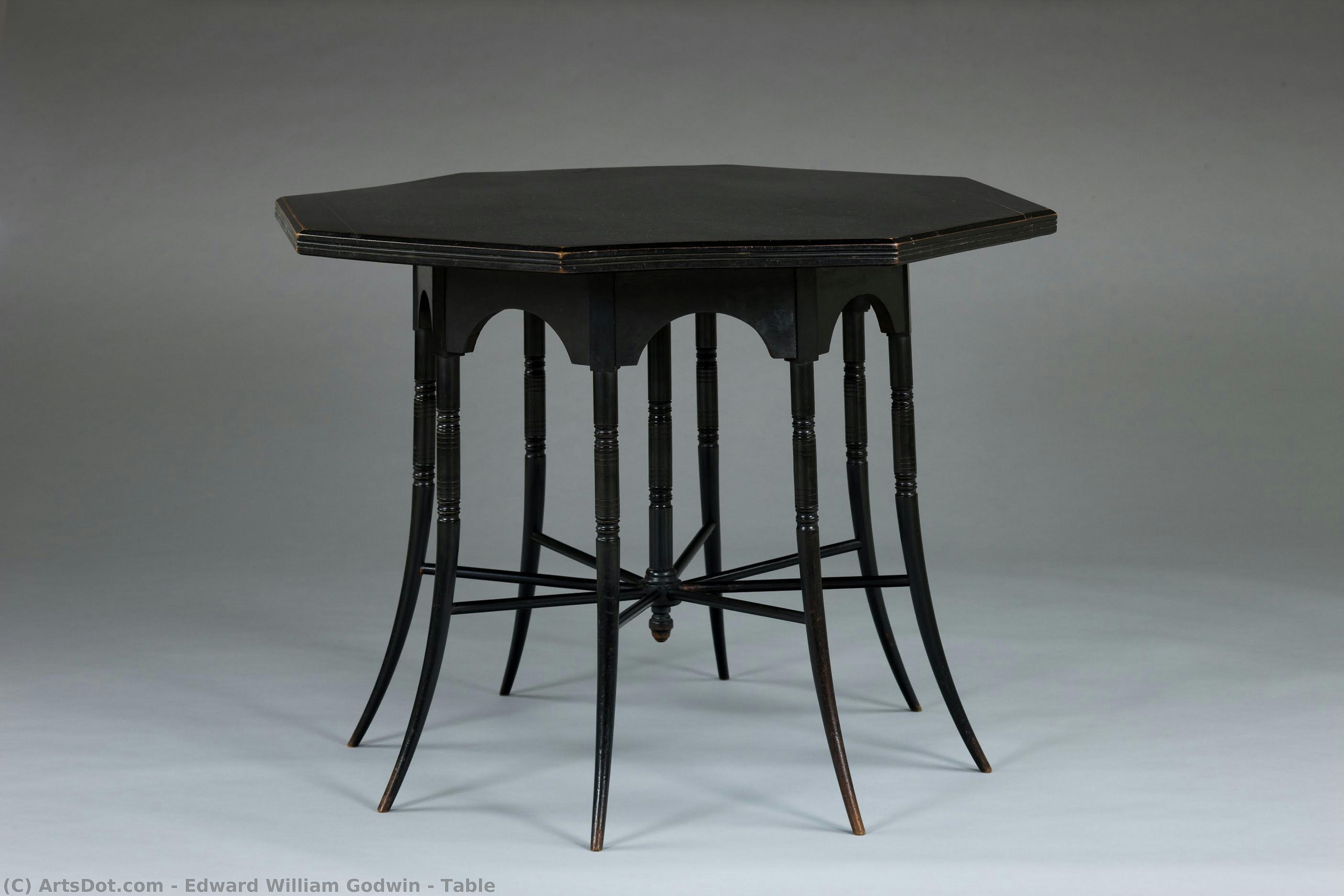
Table

Edward William Godwin (1833-1886): Arhitect și designer inovator, pionier al stilului Anglo-Japanese în Art Nouveau și influențat puternic de William Burges. Crea opere impresionante și a fost admirat de Oscar Wilde.

Reproducere manuală în ulei

Pictură în ulei pe pânză, pictată manual, la dimensiunea și ramele dorite de dumneavoastră, realizată la comandă de artiștii noștri.

Standard
custom
CM
INCH

Alegeți dintre dimensiunile noastre prestabilite, care respectă proporțiile originale ale operei de artă.

lățime
înălțime

Puteți introduce propriile dimensiuni pentru a se potrivi unui anumit cadru sau spațiu. Dacă dimensiunea selectată nu corespunde proporțiilor imaginii originale, vom decupa opera de artă sau vom extinde pictura cu elemente suplimentare pictate manual. O simulare digitală vă va fi trimisă pentru aprobare înainte de începerea producției.
Vă rugăm să rețineți că previzualizarea de pe ecran nu reflectă decuparea sau extinderea reală. Doar macheta va arăta cu exactitate compoziția finală.
Deși sunt disponibile dimensiuni personalizate, vă recomandăm să selectați o dimensiune din lista predefinită pentru a păstra proporțiile originale.

Exemple de elemente ce pot fi modificate: Înlocuiți fața cu fotografia clientului; Adăugați un animal de companie (de exemplu, înlocuiți pisica cu un câine); Includeți un mesaj ascuns în fundal; Schimbați peisajul sau elementele din fundal.
După plasarea comenzii, echipa WahooArt.com va trimite clientului instrucțiuni prin e-mail și îi va furniza o previzualizare a machetei

Livrare în întreaga lume () în 3/4 săptămâni, în loc de cele 5 săptămâni standard. (3 Iulie). Fără compromisuri în ceea ce privește calitatea.

why_choose_icon
Livrare expres gratuită la nivel mondial
why_choose_icon
Pânză de in de înaltă calitate
why_choose_icon
Asigurare completă pentru transport
why_choose_icon
Garanție de rambursare a taxelor vamale
why_choose_icon
Garanția fidelității culorilor
why_choose_icon
Politica de retur de 60 de zile (doar pentru defecte)
why_choose_icon
Garanție 100% de rambursare
why_choose_icon
Reducere la comenzi multiple

Preț total

-

reproduction

Table

Tehnică de reproducere

Dimensiune reproducere

-

Preț total calculat

-

Opere de artă similare


Biografie artist

A Pioneer of Progressive Design: The Life and Work of Edward William Godwin

Edward William Godwin, born in Bristol in 1833, was a remarkably forward-thinking English architect and designer whose career spanned a period of intense stylistic transition. He wasn’t merely a participant in the Victorian aesthetic landscape; he actively shaped it, moving from the heavily ornamented “Ruskinian Gothic” favored in mid-Victorian Britain to embrace the burgeoning “Anglo-Japanese taste” that characterized the Aesthetic Movement. Godwin's influence resonates even today, subtly woven into the fabric of the Arts and Crafts movement which followed closely on his heels. His early successes included significant public commissions like the Guildhall in Northampton – a testament to his initial mastery of Ruskinian principles – and the Town Hall in Congleton, alongside restorative work at Dromore Castle in Limerick and Castle Ashby. These projects demonstrated a skill for reviving historical forms, but they were merely stepping stones towards a more radical vision. Godwin’s architectural training was largely self-directed, beginning with an apprenticeship to William Armstrong, City Surveyor, Architect and Civil Engineer -- with the emphasis very much on the “engineer.” So little was known of architecture in this office that Godwin was largely self-taught and became responsible for the architectural commissions undertaken by the office at an unusually early age.
  • Early Life and Education: Godwin’s upbringing instilled in him a fascination with antiquities and craftsmanship, shaping his artistic sensibilities from a young age. His father, a prosperous currier and leather cutter, fostered an appreciation for meticulous detail and skillful execution—values that would permeate Godwin's architectural practice throughout his life.
  • Architectural Training: Despite limited formal instruction, Godwin honed his skills through observation and experimentation, absorbing influences from William Burges and mastering the techniques of Ruskinian Gothic design. This autodidactic approach proved crucial in developing his distinctive style and securing early commissions.

Ruskinian Gothic and Early Commissions

Godwin’s initial architectural endeavors were firmly rooted in Ruskinian Gothic, reflecting the prevailing aesthetic sensibilities of mid-Victorian Britain. He skillfully revived medieval forms—particularly those found in Venice—incorporating intricate ornamentation and symbolic imagery into his designs. Notable projects included the Guildhall in Northampton – a monumental edifice embodying Ruskin's vision of spiritual grandeur – and the Town Hall in Congleton, where Godwin’s meticulous attention to detail ensured that every element contributed to the overall aesthetic impact. Furthermore, he undertook restorative work at Dromore Castle in Limerick and Castle Ashby, demonstrating his ability to breathe new life into historic buildings while preserving their original character.
  • Guildhall Northampton: Godwin's design for Northampton Town Hall exemplifies Ruskinian Gothic principles—a deliberate rejection of neoclassical formalism in favor of a style that celebrated medieval grandeur and spiritual contemplation.
  • Congleton Town Hall: Godwin’s meticulous craftsmanship and incorporation of Ruskinian motifs elevated Congleton Town Hall to a landmark of Victorian civic architecture.

The Anglo-Japanese Influence and Whistler's Circle

Around 1862, Godwin encountered William Burges—a fellow architect who championed the revival of medieval art and craftsmanship—and this encounter profoundly shaped his artistic trajectory. Burges’ unwavering belief in the transformative power of art fueled Godwin’s own fascination with Japanese decorative arts, prompting him to embark on a comprehensive study of Japanese aesthetics and design. Inspired by Hokusai's “Mangwa” and captivated by the simplicity and elegance of Japanese craftsmanship—particularly its use of natural materials—Godwin sought to synthesize Eastern and Western artistic traditions into what would become known as “Anglo-Japanese.” This innovative approach manifested in his furniture designs, textile patterns, ceramic tiles, and architectural interiors. Godwin’s collaboration with James McNeill Whistler—a fellow artist who championed Impressionism—further solidified this stylistic fusion. Together, they explored the expressive potential of color and light, rejecting academic conventions in favor of a more subjective aesthetic vision.
  • Collaboration with Burges: Godwin's admiration for Burges’ architectural idealism instilled in him a commitment to reviving medieval forms while embracing innovative design solutions.
  • Whistler's Influence: Godwin’s partnership with Whistler fostered a shared belief in artistic experimentation and challenged prevailing aesthetic standards—a cornerstone of the Aesthetic Movement.

Domestic Design and Legacy

Godwin’s architectural practice extended beyond grand public commissions, encompassing the design of private residences that reflected his distinctive stylistic sensibilities. He created houses for artists at Bedford Park—a pioneering garden suburb conceived as a harmonious blend of nature and architecture—and designed the White House in Chelsea—a striking example of Anglo-Japanese aestheticism—for Whistler’s friend. Godwin's furniture designs, characterized by their understated elegance and meticulous craftsmanship, embodied his belief that beauty could be achieved through simplicity and restraint. His commitment to incorporating natural materials and embracing innovative spatial arrangements distinguished him from many of his contemporaries. Godwin’s enduring legacy lies not only in the magnificent buildings he created but also in his pioneering spirit—a willingness to challenge conventions and embrace new influences that profoundly impacted the development of modern design. He remains a symbol of artistic innovation and intellectual curiosity, inspiring generations of designers and artists to pursue creative excellence with unwavering conviction.
  • Bedford Park Residences: Godwin’s designs for Bedford Park exemplify his belief in harmonizing architecture with nature—a concept that anticipated the principles of garden suburb planning.
  • The White House Chelsea: Godwin's collaboration with Whistler resulted in a landmark building that embodies Anglo-Japanese aestheticism and celebrates the expressive potential of color and light.

Concluding Thoughts

Edward William Godwin’s life was marked by intellectual curiosity, artistic experimentation, and unwavering devotion to his craft—qualities that cemented his place as one of the most influential architects and designers of the Victorian era. His embrace of Anglo-Japanese aesthetics—coupled with his collaboration with James McNeill Whistler—represented a radical departure from prevailing stylistic trends and foreshadowed the emergence of modern design sensibilities. Godwin’s legacy continues to inspire artists and designers today, reminding us that true creativity lies in defying convention and pursuing beauty with uncompromising conviction.
Edward William Godwin

Edward William Godwin

1939 - 1886 , Regatul Unit

Detalii rapide

  • Artistic Movement Or Style: Anglo-Japanese, Gothic Revival
  • Artists Or Movements Influenced By This Artist: ['Arts and Crafts Movement']
  • Artists Who Influenced This Artist: ['William Burges']
  • Date Of Birth: 1833
  • Date Of Death: 1886
  • Full Name: Edward William Godwin
  • Nationality: British
  • Notable Artworks:
    • Guildhall, Northampton
    • Town Hall, Congleton
  • Place Of Birth: Bristol, UK