

Lucrarea de artă afișată pe această pagină este protejată de legile privind drepturile de autor, ceea ce înseamnă că nu putem crea sau vinde în mod legal o reproducere identică. Această protecție este garantată prin acorduri internaționale, precum Convenția de la Berna și de legile naționale, inclusiv cele prevăzute de Legea dreptului de autor din S.U.A. – Titlul 17. Toate drepturile rezervate. Orice reproducere neautorizată este interzisă.
Această metodă respectă pe deplin reglementările privind drepturile de autor, deoarece nu implică copierea sau duplicarea operei protejate. În schimb, este o reinterpretare creativă – o pictură nouă, influențată de original, dar care nu este identică cu acesta.
Printuri giclée sau pe canvas de calitate muzeală, cu proces de producție rapid și opțiuni flexibile de finisare. ( Comandă pictură realizată manual Comută pe Imagine Digitală)





























Alegeți dintre dimensiunile noastre prestabilite, care respectă proporțiile originale ale operei de artă.

Introduceți lățimea și înălțimea necesare pentru a se potrivi ramei sau peretelui dumneavoastră. O printare poate fi doar tăiată, niciodată extinsă dincolo de dimensiunea imaginii originale, astfel încât o dimensiune cu o formă diferită va pierde o parte din imagine. Vă trimitem o simulare digitală pentru aprobare înainte de a imprima orice. Imaginea afișată pe această pagină nu prezintă tăierea reală — doar simularea arată acest lucru.
Livrare în întreaga lume () în 2 săptămâni, în loc de cele 4/5 săptămâni standard. (15 Noiembrie)
Capron House
Dimensiune reproducere
In the vast landscape of American modernism, few works capture the heavy, cinematic silence of rural life as poignantly as Edward Hopper’s 1931 watercolor, Capron House. This piece is far more than a mere depiction of a farmhouse; it is a profound meditation on solitude and the unspoken narratives that dwell within the stillness of a domestic scene. As the eye wanders across the composition, one is immediately struck by the sense of contemplative calm that defines Hopper’s signature style. A modest white clapboard house, crowned with a vibrant red roof, stands in quiet dialogue with a weathered barn, anchoring the viewer to a moment frozen in time. The presence of two figures on the porch, their postures suggesting a detached observation of their surroundings, adds a layer of psychological depth, inviting us to wonder if they are contemplating the day's labor or simply absorbing the profound tranquility of the countryside.
The scene is further enriched by the subtle inclusion of everyday artifacts—a parked truck and various vehicles scattered across the lawn. These elements serve as gentle reminders of the realities of rural existence during the early 20th century, grounding the ethereal mood in a tangible, lived reality. For the collector or interior designer, this painting offers a unique window into a bygone era, providing a focal point that is both intellectually stimulating and visually soothing. It is a work that does not demand attention through loud colors or chaotic movement, but rather earns it through a steady, rhythmic grace that settles deeply into the spirit of a room.
Hopper’s technical prowess in Capron House lies in his ability to use the delicate medium of watercolor to sculpt form and atmosphere. Eschewing dramatic or jarring palettes, he favors muted, earthy hues that heighten the emotional resonance of the landscape. His technique is characterized by precise washes and subtle gradations of tone, which allow light to become a character in its own right. The diffused light bathing the farmhouse does not merely illuminate the architecture; it softens the edges of reality, casting shadows that delineate the textures of wood and stone while emphasizing the isolation of the figures. This careful rendering of light and shadow creates a palpable sense of realism, making the atmosphere feel thick with memory and stillness.
For those seeking to incorporate such mastery into their personal spaces, the beauty of this piece lies in its textural richness. The way the light falls upon the white clapboard and the weathered surfaces of the barn provides a visual depth that is incredibly captivating. It is a masterclass in how subtle tonal shifts can convey immense psychological weight, making the painting an ideal choice for those who appreciate art that speaks through nuance rather than noise.
To understand Capron House, one must consider the era from which it emerged. Painted during the Great Depression, the work carries an inherent weight of the period's economic and social uncertainties. Yet, Hopper does not lean into tragedy; instead, he explores the architecture of solitude. He presents loneliness not as a catastrophe, but as a fundamental, almost sacred, state of being. This perspective allows the viewer to find beauty in the quietude, transforming a simple rural scene into a universal symbol of introspection and peace.
The emotional impact of the piece is enduring. It evokes a sense of nostalgia for a slower pace of life, making it an evocative addition to any curated collection or sophisticated interior design project. Whether placed in a sunlit study or a quiet corner of a living space, Capron House serves as a constant reminder of the beauty found in the moments between actions—the heavy, electric tension of the stillness that exists when the world stops to breathe.
În "Capron House", tehnica Watercolor întâlnește mișcarea Contemporary Realism.
"Capron House" de Edward Hopper este recomandată pentru o Living Room. Această sugestie se bazează pe subiectul, culorile și atmosfera lucrării.
"Capron House" a fost creat de Edward Hopper, născut în Statele Unite ale Americii, în cadrul mișcării Contemporary Realism. Originea artistului leagă această operă de Contemporary Realism, așa cum este practicat de artiștii din Statele Unite ale Americii.

Edward Hopper s-a născut în Upper Nyack, Statele Unite ale Americii. Primii săi ani au fost dedicați observării lumii cu un ochi neclintit, un obicei care a început încă din copilărie, prin schițe meticulos datate și semnate. Deși părinții săi i-au sugerat o cale pragmatică în ilustrația comercială, pasiunea sa a rămas ancorată în arta fină. A studiat la Școala de Artă din New York sub îndrumarea lui William Merritt Chase și Robert Henri. Acești ani i-au oferit competența tehnică necesară pentru a surprinde lumea într-o formă onestă și fără artificii. Hopper nu a căutat pensulele fugare ale Impresioniștilor pe care i-a întâlnit în Paris; în schimb, a dezvoltat un mod de a vedea care privilegia liniștea unui moment în detrimentul mișcării unei mulțimi.
Opera sa se concentrează adesea pe banal. El a privit case, restaurante, birouri și camere de hotel, eliminând detaliile inutile pentru a descoperi adevărul emoțional subiacent al unei scene. În House by the Railroad (1925), o compoziție simplă dezvăluie un sentiment de mister și izolare. A utilizat lumina și umbra nu doar pentru a descrie o încăpere, ci pentru a crea o atmosferă. Reprezentarea precisă a unei umbre pe un perete sau modul în care lumina lovește o fereastră au devenit mijloacele prin care comunica o stare psihologică a subiecților săi.
Modul în care lumina pătrunde într-un spațiu este un personaj central în picturile sale. În Nighthawks (1942), lumina crudă, fluorescentă, a unui diner de la malul nopții, străpunge întunericul unei străzi urbane pustii. Figurile din interior sunt fizic apropiate, dar par pierdute în propriile gânduri, deconectate unele de altele. Această senzație de anonimat într-un oraș aglomerat a devenit o temă recurentă. El a capturat tensiunea de a fi singur într-un loc public, un sentiment care rezonează în lucrări precum Automat și Office in a Small City. A fost fascinat de modul în care lumina artificială interacționează cu întunericul natural al nopții.
Soția sa, Josephine Nivison Hopper, a fost o prezență constantă. Artistă la rândul ei, ea a servit adesea ca model pentru lucrările sale, prezența ei fiind simțită în caracterizarea multor figuri feminine. Împreună, au trăit o viață modestă, petrecând adesea verile în New England, ceea ce a influențat peisajele pictate de el. Reprezentările sale ale peisajului american, atât rurale cât și urbane, subliniază adesea o anumită asprime sau vid. Fie că este vorba de o benzinărie de la marginea drumului în Gas (1940) sau de o cameră liniștită dintr-un hotel, subiectul este întotdeauna intersecția dintre un loc fizic și o experiență privată, internă.
Influența lui Hopper se extinde până în limbajul vizual al filmului și al literaturii. Capacitatea sa de a crea tensiune psihologică prin compoziție a fost remarcată de mulți studenți ai modului în care poveștile sunt spuse prin imagini. Picturile sale rămân prezente în marile muzee din întreaga lume, fiind păstrate în colecții precum Whitney Museum of American Art și Museum of Fine Arts, Boston. El nu a urmărit narațiuni istorice grandioase; și-a găsit subiectele în colțurile liniștite ale vieții de zi cu zi, transformând o simplă fereastră sau un străin trecător într-o studiu al condiției umane. Opera sa rămâne o meditație asupra tăcerii care există între oameni.

1931 - 1967 , Statele Unite ale Americii

Step into the evocative world of American Realism with our curated guide to the 25 most iconic Edward Hopper paintings. Explore the profound beauty of light, shadow, and urban solitude through museum-quality art stories and decor inspiration. Discover all masterpieces on WahooArt.com.

Explore iconic works by Hopper and Bacon that capture profound solitude. Discover museum-quality masterpieces on WahooArt.com.

Explore the profound emotional landscapes of Mark Rothko. An expert editorial on Color Field painting, decoding the spiritual depth, technique, and enduring legacy of these abstract masterpieces for the discerning global collector.
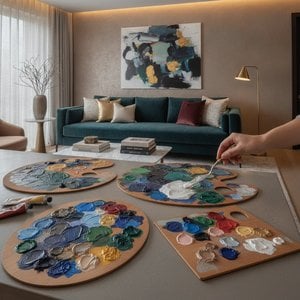
Elevate your interiors with expert guidance on color theory and art selection. Discover how to achieve chromatic equilibrium using hand-painted oil reproductions and bespoke commissions from WahooArt.com, the global authority in museum-quality fine art for luxury spaces.

Discover the ethereal beauty of watercolor through an art-historical lens. Master the delicate balance of light, fluidity, and pigment to capture the luminous essence of nature, inspired by the legendary techniques of the Old Masters and Impressionist greats.
 Previzualizare
 Trimite prin felicitare
 Distribuie
 Detalii despre lucrare
 Ghid
Ghid

 Descarcă imaginea
 Produse similare
 Radiografie
 Galerie foto
 Întrebări și răspunsuri
 Statistici

 Vezi mai mult









 Opțiunea cu sticlă este disponibilă doar pentru dimensiuni de sub 110 cm


