

Printuri giclée sau pe canvas de calitate muzeală, cu proces de producție rapid și opțiuni flexibile de finisare. ( Comandă pictură realizată manual Comută pe Imagine Digitală)





























Alegeți dintre dimensiunile noastre prestabilite, care respectă proporțiile originale ale operei de artă.

Introduceți lățimea și înălțimea necesare pentru a se potrivi ramei sau peretelui dumneavoastră. O printare poate fi doar tăiată, niciodată extinsă dincolo de dimensiunea imaginii originale, astfel încât o dimensiune cu o formă diferită va pierde o parte din imagine. Vă trimitem o simulare digitală pentru aprobare înainte de a imprima orice. Imaginea afișată pe această pagină nu prezintă tăierea reală — doar simularea arată acest lucru.
Livrare în întreaga lume () în 2 săptămâni, în loc de cele 4/5 săptămâni standard. (8 Noiembrie)
Anxiety, because
Dimensiune reproducere
Edvard Munch's "Anxiety, because," created in 1915, isn’t merely a drawing; it’s a raw, visceral embodiment of the psychological landscape of its time. The image depicts a group of figures perched precariously on the edge of a cliff, their faces turned towards an unseen horizon – a posture that immediately speaks to vulnerability and a profound sense of unease. The stark black and white palette amplifies this feeling, stripping away any potential distraction and forcing the viewer to confront the unsettling reality presented before them. It’s a work born from Munch's deeply personal struggles with loss, illness, and an enduring awareness of mortality, themes that relentlessly informed his artistic output.
Munch’s technique here is deliberately loose and expressive, prioritizing emotional impact over meticulous detail. The figures are rendered with broad, gestural strokes, their forms dissolving into the surrounding rock formation. This blurring of boundaries – between individual and environment, self and landscape – reflects a key aspect of Munch's artistic philosophy: the interconnectedness of human experience and the natural world. He wasn’t interested in creating realistic representations; instead, he sought to capture the *feeling* of an emotion, translating internal turmoil into visible form. The lack of shading and precise lines contributes to the drawing’s unsettling quality, lending it a dreamlike, almost hallucinatory atmosphere.
To understand “Anxiety, because,” one must delve into the context of Munch's life. His childhood was profoundly shaped by tragedy – the deaths of his mother and sister from tuberculosis at young ages instilled in him a lifelong preoccupation with illness, death, and the fragility of human existence. His father, a devout Lutheran, fostered a sense of religious anxiety that further complicated Munch’s emotional landscape. These experiences weren't simply biographical details; they became the bedrock upon which he built his artistic language, informing his recurring motifs of sickness, despair, and isolation. The drawing can be interpreted as a visual manifestation of this inherited trauma, a collective expression of grief and fear passed down through generations.
Furthermore, Munch’s own struggles with mental illness – including periods of intense anxiety and depression – undoubtedly influenced the work's somber tone. He famously described his creative process as “a battle against life,” suggesting that art was not merely a means of expression but also a form of survival. "Anxiety, because" embodies this struggle; it’s a testament to the artist’s ability to transform personal suffering into a universally resonant image.
The cliff itself is a potent symbol within the drawing. It represents not just a physical location but also a metaphorical precipice – a point of no return, a threshold between life and death, sanity and madness. The figures’ unified gaze towards the horizon suggests a shared experience of dread, as if they are all contemplating an impending doom. The fact that we cannot see what lies beyond the cliff face further intensifies the sense of mystery and uncertainty. It's a deliberate withholding of information, forcing the viewer to project their own anxieties onto the scene.
The composition’s asymmetry – with the large rock formation dominating the left side of the image – creates a feeling of imbalance and instability. This visual disruption mirrors the emotional turmoil depicted within the drawing, reinforcing its overall sense of unease. The figures themselves are rendered in varying states of distress: some appear frozen in silent contemplation, while others seem to be actively struggling against an unseen force.
"Anxiety, because" remains a powerfully evocative work of art over a century after its creation. It’s not a comfortable image; it confronts us with the darker aspects of human experience – fear, grief, and the awareness of our own mortality. Yet, it is precisely this unflinching honesty that makes it so compelling. Munch's ability to translate these complex emotions into a single, arresting drawing speaks to his genius as an artist and his profound understanding of the human psyche. A reproduction of this piece offers a unique opportunity to engage with one of the most significant works in modern art history, inviting contemplation on the enduring nature of anxiety and the search for meaning in a world often fraught with uncertainty.
Pentru "Anxiety, because" de Edvard Munch, recomandăm o reproducere de dimensiunea Large. Dimensiunea poate fi ajustată păstrând proporțiile intacte.
Pentru "Anxiety, because", dimensiunea de imprimare recomandată este Large, cu orientarea Landscape.
Edvard Munch a utilizat tehnica Acrylic On Canvas pentru "Anxiety, because". Tehnica definește natura materială a lucrării originale.
Edvard Munch, născut în 1863 în peisajele aspre ale Norvegiei, a fost un artist al cărui operă a devenit sinonimă cu anxietățile și tulburările emoționale ale epocii moderne. Viața sa, profund marcată de pierdere și o melancolie omniprezentă, a servit drept izvorul artei sale expresive. Încă din copilărie, umbrită de moartea timpurie a mamei și a surorii sale – ambele victime ale tuberculozei – Munch a dezvoltat o preocupare tulburătoare pentru mortalitate, boală și fragilitatea existenței umane. Aceste experiențe nu au fost simple detalii biografice; ele au devenit miezul viziunii sale artistice, alimentând o explorare neîncetată a peisajului interior al fricii, durerii și dorinței. Credințele religioase stricte ale tatălui său și propriile sale lupte cu boala mintală au contribuit și ele la un sentiment de groază care a pătruns în lumea lui Munch, modelând nu numai viața sa personală, ci și limbajul simbolic al picturilor sale. El nu se limita la reprezentarea scenelor; el externaliza o stare internă, transpunând suferința psihologică în formă vizuală.
Călătoria artistică a lui Munch a început cu o pregătire formală la Școala Regală de Desen din Christiania (Oslo), dar întâlnirea sa cu cercurile boeme și filosofia nihilistă a lui Hans Jæger i-a aprins cu adevărat creativitatea. Jæger l-a încurajat pe Munch să abandoneze stilurile academice convenționale și, în schimb, să se adâncească în profunzimea propriei experiențe subiective, un concept pe care l-a numit „pictură sufletească”. Această cotitură crucială a marcat începutul stilului distinctiv al lui Munch – unul caracterizat de emoție brută, forme distorsionate și o respingere a reprezentării naturaliste. Călătoriile sale la Paris în anii 1890 l-au expus mișcării Postimpresioniste în plină dezvoltare, unde a absorbit influențe de la artiști precum Paul Gauguin, Vincent van Gogh și Henri de Toulouse-Lautrec. Utilizarea îndrăzneață a culorilor, tușele expresive și intensitatea psihologică ale acestor maeștri au rezonat profund cu înclinațiile sale artistice. El nu imita pur și simplu tehnicile lor; el le sintetiza într-un mod unic al său – un limbaj vizual capabil să transmită cele mai profunde și tulburătoare emoții umane. Timpul petrecut la Berlin s-a dovedit, de asemenea, crucial, aducându-l în contact cu dramaturgul August Strindberg, ale cărui explorări ale temelor psihologice i-au alimentat și mai mult investigațiile artistice.
Opera lui Munch este populată de imagini care au devenit adânc înrădăcinate în conștiința colectivă. The Scream, probabil cea mai iconică lucrare a sa, transcende statutul său de pictură pentru a deveni un simbol universal al angoasei existențiale. Peisajul învârtitor, incendiar și fața contorsionată a figurii întruchipează un țipăt primar împotriva indiferenței universului. Madonna, o piesă controversată și profund personală, explorează teme de sexualitate, maternitate și mortalitate cu o sinceritate tulburătoare. Motive recurente precum The Sick Child – inspirat de pierderea surorii sale Sophie – servesc drept mementouri emoționante ale traumei din copilărie a lui Munch și spectrul omniprezent al morții. Melancholy I & II, reprezentări puternice ale tristeței profunde și izolării, dezvăluie o vulnerabilitate care este atât profund personală, cât și universal relatabilă. Aceste lucrări nu sunt simple reprezentări ale realității externe; ele sunt ferestre către sufletul artistului, oferind privitorilor o privire neînfricată în colțurile cele mai întunecate ale psihicului uman. Munch nu a urmărit să creeze imagini frumoase; el a căutat să transmită adevărul – chiar dacă acel adevăr era dureros și tulburător.
Contribuția lui Edvard Munch la arta modernă este imensă. El rămâne o figură pivotală în dezvoltarea Expresionismului, deschizând calea pentru artiștii care au acordat prioritate emoției subiective față de reprezentarea obiectivă. Explorarea sa neînfricată a experiențelor umane universale – dragoste, pierdere, anxietate și moarte – continuă să rezoneze cu publicul de astăzi, consolidându-i locul ca una dintre cele mai influente și durabile figuri din istoria artei. Opera sa a avut un impact profund asupra generațiilor ulterioare de artiști, influențând mișcări precum Expresionismul german și nu numai. El a îndrăznit să confrunte aspectele mai întunecate ale condiției umane, contestând noțiunile convenționale de frumusețe și reprezentare artistică. Chiar și după ce a obținut faimă și recunoaștere – culminând cu înființarea Muzeului Munch din Oslo – viața sa personală a rămas turbulentă, marcată de perioade de instabilitate mentală și izolare. Cu toate acestea, prin toate aceste dificultăți, el a continuat să creeze, lăsând în urmă o operă care continuă să provoace, să conteste și să inspire. Moștenirea lui Munch nu se referă doar la picturile în sine; este vorba despre curajul de a confrunta complexitățile existenței umane și de a traduce acele experiențe în artă care vorbește părților cele mai profunde ale ființei noastre.

1863 - 1944 , Norvegia

Descoperă cele mai emblematice 25 de opere ale lui Edvard Munch! Explorează expresionismul, simbolismul și emoțiile profunde din tablouri precum 'Țipătul' și 'Madona'. Reproduceri artă de calitate muzeală & inspirație decor pe WahooArt.com.

Explore the profound world of Edvard Munch, pioneer of Expressionism. Discover the origins of 'The Scream' & his haunting depictions of anxiety, mortality, and love. Expert analysis & high-quality reproductions at WahooArt.
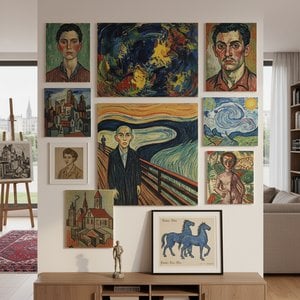
Descoperă cele mai importante 10 capodopere ale expresionismului! Explorează poveștile lui Munch, Van Gogh și Kandinsky. Reproduceri de artă de calitate muzeală pentru un decor interior unic. WahooArt.ro
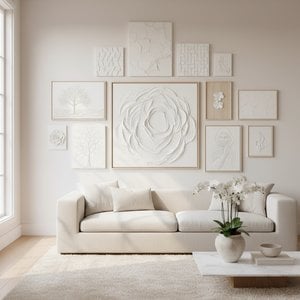
Descoperă top 10 picturi celebre dominate de alb, de la Monet la Kandinsky! Explorează istoria artei, tehnicile artistice și frumusețea atemporală a capodoperelor clasice. Reproduceri de calitate muzeală pe WahooArt.com – inspiră-ți decorul!

Descoperă Top 10 tablouri celebre dominate de negru! Explorează istoria, simbolismul și tehnicile artistice ale unor opere iconice de Rembrandt, Goya și alți maeștri. Reproduceri de artă de calitate muzeală pe WahooArt.com – inspiră-ți decorul!
 Previzualizare
 Trimite prin felicitare
 Distribuie
 Detalii despre lucrare
 Ghid
Ghid

 Descarcă imaginea
 Produse similare
 Radiografie
 Galerie foto
 Întrebări și răspunsuri
 Statistici

 Vezi mai mult









 Opțiunea cu sticlă este disponibilă doar pentru dimensiuni de sub 110 cm


