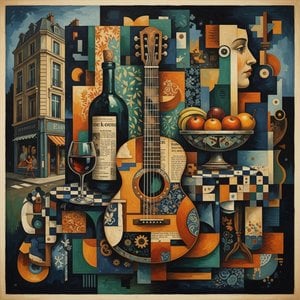
Un cartograf al al culturii contemporane: Viața și arta lui Douglas Coupland
Douglas Coupland a apărut pe peisajul cultural la începutul anilor '90, nu doar ca un romancier, ci ca un diagnostician al unei epoci. Născut pe 30 decembrie 1961, într-o bază militară canadiană din Baden-Söllingen, Germania, copilăria sa a fost marcată de relocări constante, stabilindu-se în cele din urmă la Vancouver, Canada – un oraș care îi va modela profund sensibilitatea artistică. Această experiență timpurie i-a insuflat o privire de observator agut, fin reglată pe schimbările subtile și pe anxietățile vieții moderne. Deși inițial a ales studiile de sculptură la Emily Carr College of Art and Design, Coupland și-a găsit adevărata vocație nu în modelarea formelor fizice, ci în articularea texturilor intangibile ale existenței contemporane prin cuvânt, iar ulterior, printr-o fuziune fascinantă între arta vizuală și tehnologia digitală. El nu se limita doar la a reflecta cultura; el o numea, oferind voce sentimentelor nespuse ale unei generații care plutește într-o lume aflată într-o accelerare rapidă.
De la Generația X la comentariul vizual
Momentul de strălucire al lui Coupland a sosit odată cu publicarea romanului
Generation X: Tales for an Accelerated Culture în 1991. Romanul nu a fost doar un succes literar; a fost un fenomen cultural, consacrând un termen care a rezonat instantaneu cu milioane de oameni care se luptau cu identitatea și scopul în umbra societății post-industriale. Termeni precum „McJob” au intrat în lexicon, devenind prescurtarea pentru precarietatea și alienarea muncii din sfârșitul secolului XX. Însă ambiția lui Coupland s-a extins mult dincolo de simpla etichetare a unei generații. El a fost interesat să exploreze peisajul psihologic al unei lumi saturate de media, consumism și schimbare tehnologică. Această explorare nu s-a încheiat cu literatura. El a făcut tranziția fără efort către arta vizuală, ghidat de dorința de a-și exprima ideile prin medii diferite. Practica sa artistică este remarcabil de diversă, cuprinzând pictură, sculptură, fotografie și design – toate unite printr-un fir tematic constant: o interogație asupra vieții moderne. A scris 13 romane, două colecții de nuvele, șapte cărți de non-ficțiune și numeroase scenarii pentru film și televiziune, demonstrând o creativitate prolifică.
Limbajul codurilor QR și greutatea pierderii
Arta vizuală a lui Coupland este caracterizată printr-o combinație unică de abstractism, referințe la cultura pop și inovație tehnologică. Probabil cel mai notabil aspect este faptul că a devenit cunoscut pentru seriile sale care integrează coduri QR în picturi. Acestea nu sunt simple elemente decorative; sunt porți către straturi ascunlege de semnificație, invitând privitorii să interacționeze activ cu opera de artă prin intermediul smartphone-urilor lor. Scanarea acestor coduri dezvăluie comentarii concise, adăugând o altă dimensiune experienței vizuale – o dovadă a fascinației lui Coupland pentru intersecția dintre artă și tehnologie. Dincolo de această tehnică inovatoare, munca sa abordează adesea teme profunde ale pierderii și mortalității.
Seria Dead Grads, de exemplu, este un omagiu emoționant adus unor vieți tinere întrerupte tragic, fiecare pictură purtând titluri precum „Gun”, „Car Crash” și „Overdose” – mementouri crude ale fragilității vieții și ale impactului durabil al suferinței.
Silver Boogeyman, o piesă de impact care dezvăluie chipul lui Osama bin Laden atunci când este privită printr-un ecran de smartphone, exemplifică capacitatea sa de a provoca gândirea și de a sfida percepția, forțând privitorii să înfrunte adevăruri inconfortabile despre lumea de după 11 septembrie.
Declarații sculpturale și identitate națională
Viziunea artistică a lui Coupland se extinde dincolo de canvasele bidimensionale, intrând în realmul sculpturii.
The Ice Storm, o structură monumentală din oțel, stă ca o reflecție puternică asupra identității și vulnerabilității canadiene. Forma sculpturii evocă atât forță, cât și fragilitate, oglindind complexitatea istoriei națiunii și relația sa cu lumea naturală. Colajele sale mixte, precum
God, demonstrează măiestria sa în tehnici de suprapunere și abilitățile de design grafic, incorporând elemente simbolice precum „Lord Jim” și un „D” geometric pentru a crea compoziții vizual captivante care invită la multiple interpretări. Aceste lucrări nu sunt simple obiecte estetice; sunt puzzle-uri intelectuale, care cer un angajament activ din partea privitorului. Opera sa a fost prezentată în locații prestigioase, precum Vancouver Art Gallery și McMichael Canadian Art Collection, consolidându-i poziția de figură semnificativă în arta contemporană.
Moștenirea observației și a inovației
Contribuțiile lui Douglas Coupland atât la literatură, cât și la artele vizuale i-au adus o recunoaștere largă, inclusiv numirea ca Ofițer al Ordinului Canadei și apartenența la Ordinul Columbiei Britanice. El rămâne o voce vitală în arte și litere canadiene, cunoscut pentru observațiile sale perspicace, exprimarea artistică inovatoare și dorința de a aborda probleme sociale și culturale complexe. Munca sa continuă să rezoneze cu publicul din întreaga lume, declanșând dialoguri despre cultura contemporană, tehnologie și condiția umană. Coupland nu este doar un artist; el este un cartograf cultural, mapând terenul mereu schimbător al vieții moderne cu precizie și empatie. El a lăsat o marcă indelibilă asupra înțelegerii noastre despre noi înșine și despre lumea din jurul nostru, asigurându-și locul ca unul dintre cei mai importanți artiști contemporani ai Canadei.
- Teme cheie: Generația X, cultura digitală, tehnologia, pierderea, identitatea, consumismul, identitatea canadiană.
- Influențe: Pop art, minimalism, constructivism, știința afacerilor japoneze, literatura contemporană.



 Previzualizare
 Comută pe versiunea Print
 Trimite prin felicitare
 Distribuie
 Detalii despre lucrare
 Ghid
Ghid

 Descarcă imaginea
 Produse similare
 Radiografie
 Galerie foto
 Statistici


 Vezi mai mult






































 Opțiunea cu sticlă este disponibilă doar pentru dimensiuni de sub 110 cm