Comută pe versiunea Print Comandă pictură realizată manual Trimite
Detalii Ghid Adaugă la favorite Descarcă Produse similare Diaporama Statistici

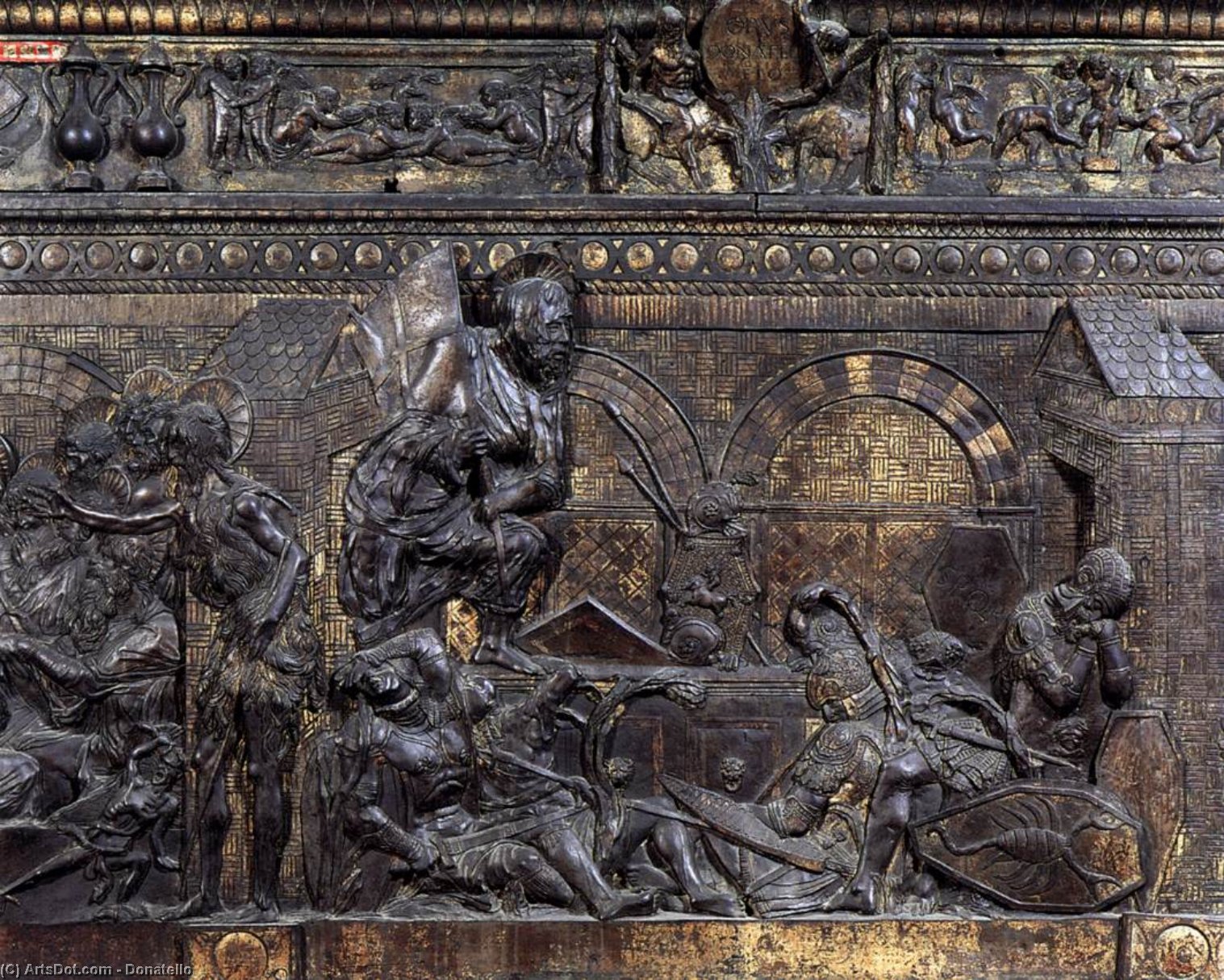
Christ before Pilate and Caiaphas

Explore Donatello's masterpiece, 'Christ before Pilate and Caiaphas,' a monumental bronze sculpture depicting Jesus’s trial before Roman authorities and Jewish leaders—a pivotal moment in Christian history.

Donatello (1386-1466): Sculptor florentin din Renașterea timpurie, renumit pentru David, stil expresiv și influență clasică. Explorează operele sale iconice și moștenirea artistică!

Achiziționați o imagine digitală de înaltă rezoluție, îmbunătățită, mult superioară previzualizării online.

Fiecare fișier este pregătit cu meticulozitate de specialiștii noștri interni, utilizând instrumente avansate și retușare manuală expertă. Ne asigurăm că fiecare imagine beneficiază de o claritate excepțională, o acuratețe precisă a culorilor și detalii fine.

Fișierul final este livrat prin e-mail în termen de 72 de ore, optimizat pentru utilizare imediată în medii profesionale, editoriale și de imprimare. Aceasta este aceeași calitate în care au încredere studiouri de design, edituri și galerii de top.

Imagine Digitală

Descărcați un fișier la rezoluție înaltă pentru afișare personală, imprimare și proiecte creative. ( Comută pe versiunea Print Comandă pictură realizată manual)

Preț total

$ 24,90

Inclus în fiecare comandă de imagini digitale

Livrare digitală de expertiză, garantată

Când alegeți WahooArt.com, nu primiți doar o simplă imagine – primiți o operă de artă digitală îmbunătățită profesional, creată cu precizie și susținută de o garanție de satisfacție. Iată tot ceea ce primești odată cu comanda ta, în mod automat:

shipping_icon
Livrare rapidă prin e-mail

Fișierul imaginii digitale la rezoluție înaltă vă va fi trimis prin e-mail în termen de 72 de ore de la finalizarea comenzii – gata pentru utilizare imediată.

canvas_icon
Fișier digital optimizat prin IA

Opera ta de artă este optimizată profesional prin intermediul unor instrumente AI avansate și al editării manuale, asigurând un nivel maxim de detalii, claritate și acuratețe a culorilor.

insurance_icon
Retransmitere gratuită pe viață

Ai șters sau ai pierdut din greșeală fișierul? Nu îți face griji – ți-l vom retrimite oricând, gratuit.

tax_icon
Fără taxe de import – Întotdeauna

Bucură-te instant de noua ta operă de artă, fără taxe vamale, taxe de import sau costuri de livrare – descărcările digitale sunt întotdeauna fără taxe.

color_icon
Garanția fidelității culorilor

Asigurăm o reflectare cât mai fidelă a culorilor originale în imaginea ta digitală, prin utilizarea unor instrumente profesionale și a proceselor de gestionare a culorii.

return_icon
Garanție de satisfacție de 100 de zile

Dacă nu sunteți mulțumit de imaginea digitală achiziționată, o vom revizui sau vă vom returna 100% în termen de 100 de zile – fără nicio întrebare.

guarantee_icon
Garanție de returnare 100% a banilor

Nu ești mulțumit? Primești rambursarea integrală în termen de 100 de zile de la primirea fișierului digital – fără nicio întrebare.

discount_icon
Reduceri pentru comenzi în volum

Cumpără 3 imagini, economisește 10% - Cumpără 5, economisește 15% - Cumpără 10+, economisește 20%. Ideal pentru proiecte creative, galerii și agenții.

Detalii rapide

  • Medium: Bronze
  • Artist: Donatello
  • Movement: Early Renaissance
  • Notable elements or techniques: Complex relief sculpture; Anatomical detail
  • Location: San Lorenzo Museum, Florence
  • Year: 1460
  • Influences: Classical Sculpture

Chestionar de artă

Fiecare întrebare are un singur răspuns corect.

Întrebare 1:
What artistic movement is Donatello’s Christ before Pilate and Caiaphas primarily associated with?
Întrebare 2:
In which museum is the sculpture ‘Christ before Pilate and Caiaphas’ housed?
Întrebare 3:
Donatello employed what sculptural technique to create this masterpiece?
Întrebare 4:
The sculpture depicts a biblical scene featuring Christ before whom two figures are prominent: Pilate and Caiaphas. What is the significance of this confrontation?
Întrebare 5:
What stylistic characteristic distinguishes Donatello’s sculpture from earlier Gothic art?

Donatello’s ‘Christ Before Pilate and Caiaphas’: A Crucible of Renaissance Emotion

Donatello's 1460 bronze sculpture, “Christ Before Pilate and Caiaphas,” stands as a monumental achievement within the burgeoning artistic landscape of the Italian Renaissance. Housed in the San Lorenzo museum in Florence, this work transcends mere biblical representation; it’s a visceral exploration of human drama, political intrigue, and spiritual torment – a testament to Donatello's revolutionary approach to sculpture that profoundly shaped the course of Western art. The sheer density of figures, meticulously rendered in warm bronze tones, immediately draws the viewer into the heart of the scene: Christ, positioned at the apex of the composition, confronts the Roman governor and the Jewish high priest, their faces etched with a potent blend of authority, doubt, and perhaps even veiled judgment.

  • A Masterclass in Renaissance Realism: Donatello’s genius lies not just in his technical skill but in his ability to imbue stone – or in this case, bronze – with palpable emotion. The figures are not idealized abstractions; they possess a raw humanity, evident in the strained expressions and subtly shifting postures that convey the weight of the moment.
  • The Power of Bronze Casting: The sculpture’s creation involved the complex process of bronze casting, a technique perfected by Donatello himself. This method, utilizing molds and molten metal, allowed for incredible detail – from the folds of Christ's garment to the stern features of Pilate – while simultaneously lending the piece an inherent sense of age and gravitas.

Historical Context and Symbolism

Created during a period of intense religious and political upheaval, “Christ Before Pilate and Caiaphas” reflects the anxieties and tensions of its time. The Renaissance was witnessing a renewed interest in classical antiquity, yet simultaneously grappling with the profound questions posed by Christianity. Donatello’s depiction of Christ is deliberately ambiguous, refusing to offer easy answers or simplistic moral judgments. The scene isn't merely a historical record; it’s an allegory for human fallibility and the struggle between good and evil. The inclusion of Roman soldiers and Jewish leaders underscores the political context of Christ’s trial – a microcosm of power struggles and accusations.

  • Pilate’s Hesitation: Pilate's posture, often interpreted as one of reluctant compromise, is particularly compelling. His hands are clasped in a gesture of uncertainty, suggesting the moral dilemma he faced.
  • Caiaphas’s Sternness: Conversely, Caiaphas embodies unwavering authority and religious zeal, his gaze fixed upon Christ with an expression of resolute condemnation.

Technique and Materiality

Donatello's mastery is immediately apparent in the sculpture’s surface treatment. The bronze has been skillfully patinated to achieve a rich, aged appearance, enhancing the sense of history and lending a tactile quality to the work. The artist employed strong lines to define the figures and their drapery, while finer details – such as the expressions on Christ's face and the folds in Pilate’s toga – are rendered with remarkable precision. The use of light and shadow further emphasizes the three-dimensionality of the sculpture, creating a dramatic effect that draws the viewer into the scene. The choice of bronze itself was significant; it was a material associated with strength, durability, and divine authority, perfectly suited to represent this pivotal moment in Christian history.

A Legacy of Innovation

"Christ Before Pilate and Caiaphas" is more than just a beautiful sculpture; it’s a cornerstone of Renaissance art. Donatello's innovative approach – his emphasis on realism, emotional expression, and the exploration of complex human themes – paved the way for generations of artists to come. Its influence can be seen in countless subsequent works, solidifying its place as one of the most important sculptures of the era. A hand-painted reproduction offers a remarkable opportunity to experience this masterpiece firsthand, bringing its power and beauty into your own space.


Biografie artist

Early Life and Artistic Beginnings

Donato di Niccolò di Betto Bardi, universally known as Donatello, emerged from the bustling heart of Florence around 1386 – a time when the city was poised on the cusp of an extraordinary artistic revolution. His early life remains shrouded in some mystery, yet it’s understood that he received his initial training within the workshops of Florentine sculptors, absorbing the techniques and traditions of the era. It's believed he began his apprenticeship around 1400, likely under the tutelage of masters working on the magnificent Duomo – Florence’s iconic cathedral. This formative period exposed him to a wealth of artistic influences, from the Gothic styles that still held sway to the nascent stirrings of Renaissance humanism. Donatello's father, Niccolò di Betto Bardi, was a wool carder, placing his son within a merchant family and providing him with an early exposure to the commercial world – a characteristic that would later impact Donatello’s approach to commissions and his sometimes challenging relationship with patrons. The precise details of his upbringing are scarce, but it's clear that he developed a keen eye for form, proportion, and the expressive potential of sculpture during these crucial formative years.

Key Works and Artistic Innovations

Donatello’s legacy rests upon a remarkable body of work, each piece reflecting a deepening understanding of classical ideals and a bold departure from established conventions. His most celebrated creation, undoubtedly, is the bronze *David* (circa 1446), a sculpture that irrevocably altered the course of Western art. Unlike previous depictions of the biblical hero, Donatello’s David stands nude, powerfully embodying youthful strength and vulnerability. This was a revolutionary gesture – the first freestanding nude male sculpture to be created since antiquity – and it immediately captivated audiences with its realism and emotional intensity. The *David* wasn't merely a technical achievement; it represented a profound shift in artistic philosophy, prioritizing human anatomy and psychological depth over idealized beauty. Beyond *David*, Donatello produced a series of equally significant works, including the poignant *St. Louis of Toulouse* (1423-1425), a marble sculpture that showcased his mastery of drapery and expressive detail; the dramatic *Sacrifice of Isaac* (circa 1457-1469) for the Santa Maria del Fiore’s campanile, which boldly employed perspective to create a dynamic and engaging composition; and the emotionally charged *Crucifix* (1425), a testament to his ability to convey profound spiritual anguish. These works demonstrate Donatello's versatility across materials – bronze, marble, wood – and his willingness to experiment with new techniques, such as the “schiacciato” relief method, which created an illusion of depth and volume.

Artistic Style and Influences

Donatello’s artistic style evolved dramatically throughout his career, reflecting a constant dialogue between classical antiquity and contemporary Florentine sensibilities. Initially influenced by the Gothic traditions prevalent in Florence, he gradually embraced the principles of Renaissance humanism, drawing inspiration from ancient Roman sculpture – particularly the works of artists like Pollione and Leoquinto. He meticulously studied casts of Greek and Roman statues, analyzing their proportions, musculature, and expressive gestures. This deep engagement with classical models informed his own work, resulting in a remarkable synthesis of stylistic elements. Donatello’s sculptures are characterized by their anatomical accuracy, emotional intensity, and dynamic compositions. Unlike the static, idealized figures of earlier Renaissance artists, Donatello's subjects appear to be caught in moments of action or contemplation, conveying a sense of immediacy and vitality. His use of light and shadow further enhances this effect, creating a dramatic interplay between form and space. Furthermore, Donatello’s work was not immediately embraced by the Florentine community; his innovative approach often met with resistance from conservative critics who favored more traditional styles. However, his talent and artistic vision eventually prevailed, establishing him as one of the most influential sculptors of his time and profoundly shaping the course of Renaissance art.

Legacy and Historical Significance

Donatello’s impact on Western art is immeasurable. He not only revitalized interest in classical sculpture but also pioneered new techniques and approaches to representation. His emphasis on realism, emotional expression, and dynamic composition set a precedent for generations of artists who followed. Donatello's work served as a crucial bridge between the Gothic and Renaissance periods, demonstrating the potential for artistic innovation while retaining a deep respect for the past. He was a true innovator, pushing the boundaries of sculpture and inspiring countless artists to explore new possibilities. His legacy continues to resonate today, with his sculptures admired and studied by art lovers around the world. Donatello’s contributions extend beyond the purely aesthetic; he embodied the spirit of Renaissance humanism, celebrating the beauty and potential of the human form and reflecting a profound engagement with the complexities of the human experience. He remains one of the most important figures in the history of Western art, a testament to the power of artistic vision and technical mastery.

Donatello

Donatello

1386 - 1466 , Italia

Informații esențiale

  • Artistic Movement Or Style: Renaissance
  • Artists Or Movements Influenced By This Artist: ['Renăscut']
  • Artists Who Influenced This Artist: ['Sculptură clasică']
  • Date Of Birth: c. 1386
  • Date Of Death: 1466
  • Full Name: Donato di Niccolò
  • Nationality: Italian
  • Notable Artworks:
    • David
    • St. Louis
    • Sacrificiu
  • Place Of Birth: Florența, Italia