Biografie artist
O Viață Sculptată în Umbră și Lumină
Michelangelo Merisi da Caravaggio, un nume sinonim cu intensitatea dramatică a picturii baroce, s-a născut la Milano în 1571, o perioadă plină de efervescență artistică și tulburări sociale. Copilăria sa timpurie a fost marcată de pierderi; ciuma a devastat orașul său natal, răpându-i viața tatălui și a bunicului când avea doar șase ani. Crescut în relativă sărăcie, anii formativi ai lui Michelangelo i-au insuflat o conștientizare acută a suferinței umane și a rezilienței – teme care aveau să domine mai târziu pânzele sale. Și-a început pregătirea artistică la Milano sub îndrumarea lui Simone Peterzano, un fost elev al lui Titian, asimilând fundamentele tehnicii renascentiste, dar sugerând deja un spirit rebel care avea curând să spulbere normele convenționale. Acest ucenicie i-a oferit o bază solidă, însă a fost în Roma, sosind în jurul anului 1592, că Caravaggio și-a găsit cu adevărat vocea, deși nu fără lupte și greutăți inițiale. Orașul, un centru vibrant al patronajului artistic și al fervorii religioase, s-a dovedit atât atrăgător, cât și nemilos pentru tânărul pictor ambițios.
Revoluționând Viziunea: Tehnica și Stilul
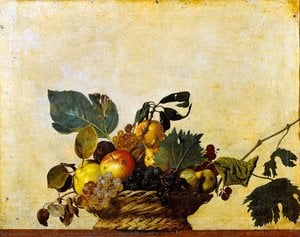
Sosirea lui Caravaggio la Roma a anunțat o schimbare seismică în peisajul artei italiene. A respins stilul dominant manierist – caracterizat prin eleganța artificială și formele alungite – în favoarea unui realism necompromis care a șocat și captivat publicul. Inovația sa definitorie a fost stăpânirea magistrală a chiaroscuro, contrastul dramatic dintre lumină și întuneric, pe care l-a ridicat la un nou nivel de putere expresivă. Această tehnică, adesea denumită tenebrism, nu a fost doar o alegere estetică; a fost un mijloc de intensificare a impactului emoțional, atrăgând privitorii în inima scenei și îmbuind figurile sale cu un sentiment palpabil de prezență. A evitat reprezentările idealizate, populându-și tablourile cu oameni obișnuiți – adesea luați de pe străzile Romei – ca modele pentru figuri religioase. Această abordare radicală a contestat noțiunile tradiționale de frumusețe și sfințenie, făcând sacrul relevant și profund uman. Compozițiile sale erau adesea sumbre și directe, concentrându-se pe momente cruciale de dramă intensă, fie că era vorba de realismul brutal al „Răpirii lui Hristos” sau de contemplarea liniștită din „Sfântul Francisc din Assisi în extaz”.
Opere Cheie și Influența Durabilă
De-a lungul carierei sale relativ scurte, Caravaggio a produs un corpus de lucrări care continuă să rezoneze cu publicul astăzi. Piesele timpurii precum „Ghicitoarea” (1594) demonstrează talentul său în creștere pentru capturarea detaliilor realiste și a nuanțelor psihologice. „Cina din Emmaus” (1601-1602), găzduită la National Gallery din Londra, exemplifică stăpânirea sa asupra chiaroscuro și capacitatea de a transmite o profunzime emoțională profundă în cadrul unei narațiuni biblice. „David cu capul lui Goliat” (c. 1610) este deosebit de tulburătoare, adesea interpretată ca un autoportret care reflectă starea mentală tulburată a lui Caravaggio. Influența sa s-a extins dincolo de Italia, inspirând o generație de artiști cunoscuți sub numele de Caravaggiști, sau „umbrași”, care au adoptat stilul său în întreaga Europă. Următori notabili au inclus Peter Paul Rubens, Jusepe de Ribera și Gerrit van Honthorst, fiecare adaptând tehnicile lui Caravaggio la propriile viziuni artistice unice.
O Existență Tumultuoasă și o Moștenire Enduring
Viața lui Caravaggio a fost la fel de dramatică și turbulentă ca arta sa. Un temperament volatil și o predilecție pentru bătăi l-au adus în mod frecvent în probleme cu legea, culminând cu o acuzație de crimă în 1606 care l-a forțat să fugă din Roma. A petrecut următorii patru ani rătăcind prin Napoli, Malta și Sicilia, continuând să picteze în timp ce căuta disperat iertare papală. În ciuda eforturilor sale, a rămas un proscris, bântuit de trecutul său și măcinat de conflicte personale. A murit la Porto Ercole, Italia, în 1610 în circumstanțe misterioase – cauza morții sale rămâne dezbătută, cu teorii care variază de la febră la otrăvire. Deși viața sa a fost scurtată, moștenirea artistică a lui Caravaggio dăinuie ca o mărturie a viziunii sale revoluționare și a angajamentului său neclintit față de realism. A contestat convențiile timpului său, deschizând calea pentru o abordare mai modernă a picturii și lăsând o amprentă indelebilă asupra cursului istoriei artei occidentale. Opera sa continuă să inspire admirație și să provoace contemplare, amintindu-ne de puterea artei de a ilumina cele mai întunecate colțuri ale experienței umane.



 Vezi în context
 Comută pe versiunea Print
 Trimite
 Distribuie
 Detalii
 Ghid
Ghid

 Descarcă
 Produse similare
 Radiografie
 Diaporama
 Statistici


 Citește mai mult






































 Opțiunea cu sticlă este disponibilă doar pentru dimensiuni de sub 110 cm