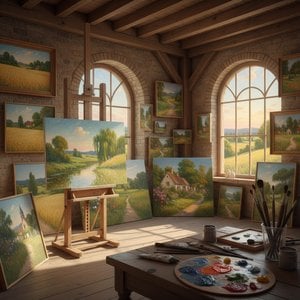
A Life Rooted in Observation: The World of Camille Pissarro
Camille Pissarro, un nume sinonim cu nașterea și evoluția impresionismului, a fost un artist al cărui viață s-a oglindit în peisajele schimbătoare pe care le-a capturat atât de devotat pe pânze. Născut Jacob Abraham Camille Pissarro pe 10 iulie 1830 la Charlotte Amalie, St. Thomas – atunci parte a Insulelor Virgine Britanice, acum Insulele Virgine Americane – originile sale erau la fel de diverse și vibrante ca scenele care au definit ulterior viziunea sa artistică. Tatăl său, un negustor portughez evreu cu cetățenie franceză, și mama sa, din familie evreiască franceză din insulă, i-au infuzat o moștenire culturală unică, relativ neobișnuită datorită complexităților familiale. Această educație timpurie, caracterizată de sensibilitate la lumea din jurul său, a devenit piatra fundamentală a practicii sale artistice. Formarea sa inițială la Academia Savary din apropierea Parisului i-a oferit o bază în tehnici tradiționale, dar întoarcerea sa la St. Thomas și lucrul ulterior ca agent portuar au aprins cu adevărat pasiunea sa pentru observație. Portul aglomerat, viața locală vibrantă și frumusețea brută a peisajului caraibian au devenit primele sale subiecte, modelând un ochi atent la nuanțele existenței cotidiene.
From Realism to Revolution: Artistic Development
Călătoria artistică a lui Pissarro a fost una de explorare și rafinament constant. După o perioadă petrecută asistând pictorul danez Anton Melbye în Paris, s-a scufundat în operele maeștrilor precum Gustave Courbet, Jean-Baptiste-Camille Corot și Honoré Daumier – artiști care pledau pentru realismul și comentariile sociale. Inițial, a căutat acceptare în lumea de artă stabilită, expunând la Salonul din Paris, dar curând a găsit constrângerile sale sufocante. Un moment decisiv a venit cu îmbrățișarea *plein air* – pictura direct în aer liber, o practică încurajată de Corot care ar deveni centrală pentru impresionism. Această schimbare nu a fost doar tehnică; a reprezentat un schimb filosofic, o dorință de a surprinde efectele fugare ale luminii și atmosferei, esența însăși a unei scene, mai degrabă decât reprezentarea sa precisă. A început să experimenteze cu pensule mai largi și culori mai vii, îndepărtându-se de convențiile academice în favoarea unui stil mai subiectiv și expresiv. Primele sale peisaje, deși încă ancorate în realism, sugereau calea revoluționară pe care o urma. Această perioadă a presupus lupta pentru a-și găsi vocea proprie în mijlocul fermentului artistic din Paris, un oraș aflat într-o transformare rapidă care oferea inspirație nesfârșită.
The Father Figure of Impressionism
Camille Pissarro nu era doar *un* impresionist; el a fost probabil forța sa unitară și cea mai importantă. Unic, a expus la toate cele opt expoziții de grup impresioniste din Paris între 1874 și 1886, acționând ca o prezență stabilizatoare în cadrul unui grup adesea caracterizat prin dezacorduri interne și ambiții individuale. Nu era doar prezent – el a încurajat activ alți artiști, oferind sprijin, îndrumare și un sentiment de camaraderie mult-necesar. Această dedicare față de libertatea artistică și inovația i-au permis să experimenteze cu multe stiluri, inclusiv o perioadă când a adoptat abordarea punctilistă a lui Georges Seurat și Paul Signac. Pissarro a fost un mentor pentru o nouă generație de artiști, inclusiv Paul Cézanne, Vincent van Gogh și Paul Gauguin, oferindu-le nu doar sfaturi tehnice, ci și un cadru filosofic pentru explorările lor artistice. Voluntatea sa de a experimenta l-a dus pe o scurtă perioadă în Neo-Impressionism, influențat de abordarea punctilistă a lui Georges Seurat și Paul Signac, înainte de a se întoarce în cele din urmă la un stil personal care combina influențele sale timpurii cu descoperiri noi.
Landscapes of Life: Themes and Legacy
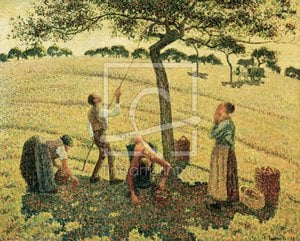
Opera artistică a lui Pissarro era remarcabil de diversă, dar consistent concentrată pe lumea din jurul său. Este celebrat pentru reprezentările sale atât ale peisajelor rurale, cât și ale celor urbane, adesea pictând scene din viața cotidiană – țăranii care lucrează în câmpuri, străzile pariziene aglomerate, piețe de sat liniștite. Piese sale nu erau doar vederi pitorești; acestea erau comentarii sociale, reflectând empatia sa profundă față de clasa muncitoare și dedicarea sa de a-i reprezenta viețile cu demnitate și respect.
- Peisaje: Celebrat pentru captarea frumuseții atât a peisajelor rurale, cât și ale orașului.
- Scene din viața pariziană: Portrete vii ale unei metropole în schimbare rapidă.
- Viața țărănească: Reflectând conștiința sa socială și empatia față de clasa muncitoare.
Piersicile sale mai târzii, în special cele create în perioade de tulburări politice sau dificultăți personale, adesea poartă un sentiment de melancolie și critică socială. Moștenirea lui Pissarro se extinde dincolo de picturile sale frumoase. El a fost un susținător al libertății artistice, un mentor pentru generații de artiști și un pionier în dezvoltarea artei moderne. Dedicarea sa față de pictura *plein air* a revoluționat arta peisajului, iar voința sa de a experimenta cu diferite stiluri au demonstrat curiozitatea sa intelectuală și angajamentul neclintit față de meșteșugul său. Astăzi, operele sale sunt expuse în muzee importante din întreaga lume, continuând să inspire și să captiveze publicul cu onestitatea, frumusețea lor și umanitatea profundă. *Arta lui Camille Pissarro nu este doar o înregistrare a lumii așa cum era; aceasta este o mărturie a puterii observației, a empatiei și a inovației artistice.*



 Vezi în context
 Comută pe versiunea Print
 Trimite
 Distribuie
 Detalii

 Descarcă
 Produse similare
 Radiografie
 Diaporama
 Statistici

 Citește mai mult






































 Opțiunea cu sticlă este disponibilă doar pentru dimensiuni de sub 110 cm