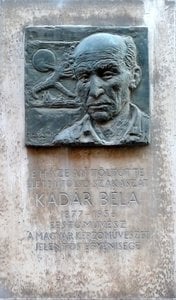
O Voce Ungară a Avangardei: Viața și Arta lui Béla Kádár
Născut într-o familie evreiască din clasa muncitoare în Budapesta, în 1877, călătoria lui Béla Kádár spre statutul de figură centrală a avangardei începutului de secol XX a fost una modelată atât prin dificultăți, cât și printr-o dedicare neclintită explorării artistice. Educația sa formală s-a limitat la doar șase ani, însă această lipsă a unei școli tradiționale părea să-l elibereze de constrângerlagile convenționale, permițând apariția unui limbaj vizual unic și personal. Kádár și-a început viața profesională nu cu pensula în mână, ci ca ucenic turnător de fier – un meserie care i-a influențat profund sensibilitățile artistice, imprimându-i o înțelegere profundă a formei, structurii și a frumuseții inerente materialelor industriale. Chiar și în acești ani timpurii, spiritul său creativ strălucea; inițial s-a concentrat pe pictarea frescelor în întreaga Budapesta, demonstrând o inclinație înnăscută către exprimarea vizuală la scară largă și către puterea narativă a imaginii. Această perioadă fundamentală a pus bazele compozițiilor îndrăznețe și dinamice care vor defini ulterior întregul său opus.
Paris, Berlin și o Sinteză de Stiluri
Adevăratul catalizator pentru dezvoltarea artistică a lui Kádáló a venit odată cu călătoriile sale la Paris și Berlin în 1910. Aceste călătorii l-au expus mișcărilor avangardiste în plină expansiune care străbateau Europa Occidentală, alterându-i irevocabil traiectoria artistică. El a întâlnit ideile radicale ale grupului Der Blaue Reiter, formele fragmentate ale Cubismului, dinamismul Futurismului și energia brută a Neo-Primitivismului – influențe pe care nu le-a adoptat pur și simpland, ci le-a sintetizat într-un vocabular vizual distinctiv, propriu. Kádár nu s-a mulțumit să se alinieze unei singure „școli” de gândire; în schimb, a pornit într-o explorare constantă a formei, culorii și compoziției, condus de o dorință insațiabilă de a se elibera de limitele artei reprezentative tradiționale. A absorbit elemente din Constructivism și chiar calitățile onirice ale picturii Metafizice, țesându-le împreună într-preț o tapiserie complexă ce reflecta perspectiva sa unică. Această perioadă a marcat un punct de cotitură crucial, transformându-l dintr-un muralist promițător într-un artist cu adevărat inovator, la pragul recunoașterii internaționale.
Recunoaștere și Expunere Internațională
Momentul de strălucire al lui Kádár a sosit în octombrie 1923, odată cu o expoziție la prestigioasa Galerie der Sturm a lui Herwarth Walden din Berlin. Această prezentare și-a expus opera într-un stil distinct Expressionist, atrăgând imediat atenția și consacrându-l ca pe o forță de luat în calcul în scena artistică europeană. Galeria, cunoscută pentru susținerea noilor voci artistice radicale, i-a oferit lui Kádár platforma ideală pentru a contacta colecționari și confruni artistici care îi împărtășeau pasiunea pentru experimentare. Profilul său internațional a fost consolidat și de două expoziții organizate de Katherine Dreier la Brooklyn Museum of Art din New York, în 1926 și 1928. În mod remarcabil, Kádár a participat la a doua expoziție, întărind prezența sa în peisajul artistic american și cultivând conexiuni valoroase în cadrul mișcării moderniste în plină expansiune de peste Atlantic. Picturile sale din această perioadă reprezentau adesea scene desprinse din folclorul maghiar, portrete intime și fragmente de viață la țară – subiecte randate printr-o paletă cromatică îndrăzneață și compoziții dinamice ce surprindeau atât spiritul patriei sale, cât și energia epocii moderne.
Un Moștenire a Inovației Îndrăznețe
Stilul artistic al lui Béla Kádár este imediat recunoșcut pentru utilizarea vibrantă și expresivă a culorii, folosind adesea nuanțe non-naturaliste pentru a transmite emoție și atmosferă. Compozițiile sale sunt caracterizate printr-un sentiment palpabil de mișcare și energie, realizat prin interacțiunea liniilor, formelor și figurilor care par să vibreze pe pânză. El a utilizat frecvent tehnica impasto – aplicarea unor straturi groase de vopsea – creând suprafețe texturate care sporesc impactul vizual al lucrării sale și invită la o explorare tactilă. Însă, poate ceea ce îl diferențiază cu adevărat pe Kádăr este capacitatea sa remarcabilă de a sintetiza aceste diverse influențe artistice într-un stil unitar și original. El reprezintă o legătură crucială între avangarda maghiară și mișcările europene mai largi ale timpului său, reflectând în arta sa furtunile sociale și politice ale începutului de secol XX. Deși nu a fost întotdeauna la fel de celebrat în timpul vieții sale precum unii dintre contemporanii săi, opera lui Kádár a cunoscut o renaștere în ultimele decenii, cercetătorii recunoscând tot mai mult contribuțiile sale semnificative la arta modernă. A murit în Budapesta în 1956, lăsând în urmă o moștenire de picturi îndrăznețe și inovatoare care continuă să inspire artiștii și să captiveze publicul de astăzi – o mărturie a puterii durabile a unui artist care a îndrăznit să își croiască propriul drum.
Caracteristici Cheie ale Operei lui Kádár
- Paletă Cromatică Îndrăzneață: Kádár era renumit pentru utilizarea sa vibrantă și expresivă a culorii, folosind adesea nuanțe ne-naturaliste pentru a transmite emoție și atmosferă.
- Compoziție Dinamică: Compozițiile sale sunt caracterizate printr-un sentiment de mișcare și energie, obținut prin interacțiunea liniilor, formelor și figurilor.
- Tehnica Impasto: A utilizat frecvent straturi groase de vopsea (impasto) pentru a crea suprafețe texturate și pentru a intensifica impactul vizual al lucrării sale.
- Sinteză Unică: Capacitatea lui Kádár de a sintetiza diverse influențe artistice într-un stil coerent și original îl distinge ca o figură semnificativă în arta începutului de secol XX.
- Teme și Subiecte: Picturile sale reprezintă adesea scene din folclor, viața la țară și portrete intime, randate cu culori puternice și compoziții dinamice. De asemenea, a explorat teme abstracte și a experimentat cu forme fragmentate.



 Vezi în context
 Comută pe versiunea Print
 Trimite
 Distribuie
 Detalii
 Ghidul

 Descarcă
 Produse similare
 Radiografie
 Diaporama
 Statistici
 Citește mai mult