Previzualizare Previzualizare AR Comandă pictură realizată manual Comută pe Imagine Digitală Trimite prin felicitare
Detalii despre lucrare Ghid Adaugă la favorite Descarcă imaginea Produse similare Radiografie Galerie foto Q&A Statistici

Villiers David

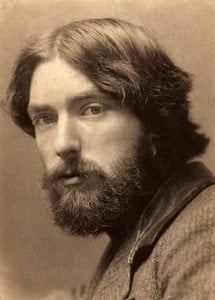
A captivating portrait by Augustus Edwin John of Villiers David, rendered in rich colors and capturing the subject's thoughtful gaze. A masterpiece from 1932.

Augustus Edwin John (1878-1961) a fost un pictor galez remarcabil, cunoscut pentru portrete vibrante și studii tonale pline de viață. A influențat puternic arta britanică cu stilul său unic și pasiunea pentru Romani.

Lucrarea de artă afișată pe această pagină este protejată de legile privind drepturile de autor, ceea ce înseamnă că nu putem crea sau vinde în mod legal o reproducere identică. Această protecție este garantată prin acorduri internaționale, precum Convenția de la Berna și de legile naționale, inclusiv cele prevăzute de Legea dreptului de autor din S.U.A. – Titlul 17. Toate drepturile rezervate. Orice reproducere neautorizată este interzisă.

Această metodă respectă pe deplin reglementările privind drepturile de autor, deoarece nu implică copierea sau duplicarea operei protejate. În schimb, este o reinterpretare creativă – o pictură nouă, influențată de original, dar care nu este identică cu acesta.

Giclée / Imprimare artistică

Printuri giclée sau pe canvas de calitate muzeală, cu proces de producție rapid și opțiuni flexibile de finisare. ( Comandă pictură realizată manual Comută pe Imagine Digitală)

Corner sample of the P118B picture frame: polistiren turnat, 5 cm wide and 3 cm thick
P118B lei10
Corner sample of the P118H picture frame: polistiren turnat, 5 cm wide and 3 cm thick
P118H lei10
Corner sample of the P118W picture frame: polistiren turnat, 5 cm wide and 3 cm thick
P118W lei10
Corner sample of the P438Z picture frame: polistiren turnat, 5.5 cm wide and 3.5 cm thick
P438Z lei10
Corner sample of the P508JH picture frame: polistiren turnat, 7 cm wide and 3.5 cm thick
P508JH lei12
Corner sample of the P508YH picture frame: polistiren turnat, 7 cm wide and 3.5 cm thick
P508YH lei12
Corner sample of the P805H picture frame: polistiren turnat, 5 cm wide and 3.5 cm thick
P805H lei10
Corner sample of the P805Z picture frame: polistiren turnat, 5 cm wide and 3.5 cm thick
P805Z lei10
Corner sample of the P919BZ picture frame: polistiren turnat, 7 cm wide and 3.5 cm thick
P919BZ lei10
Corner sample of the P919G picture frame: polistiren turnat, 7 cm wide and 3.5 cm thick
P919G lei10
Corner sample of the P919XJ picture frame: polistiren turnat, 7 cm wide and 3.5 cm thick
P919XJ lei10
Corner sample of the P959ZH picture frame: polistiren turnat, 5 cm wide and 3 cm thick
P959ZH lei10
Corner sample of the P968JZ picture frame: polistiren turnat, 6 cm wide and 4 cm thick
P968JZ lei12
Corner sample of the W106C picture frame: lemn masiv, 5 cm wide and 3 cm thick
W106C lei8
Corner sample of the W218G picture frame: lemn masiv, 5 cm wide and 3 cm thick
W218G lei10
Corner sample of the W218JH picture frame: lemn masiv, 5 cm wide and 3 cm thick
W218JH lei8
Corner sample of the W218Y picture frame: lemn masiv, 5 cm wide and 3 cm thick
W218Y lei10
Corner sample of the W307PJ picture frame: lemn masiv, 6 cm wide and 3 cm thick
W307PJ lei10
Corner sample of the W316G picture frame: lemn masiv, 6 cm wide and 3 cm thick
W316G lei10
Corner sample of the W316PJ picture frame: lemn masiv, 6 cm wide and 3 cm thick
W316PJ lei8
Corner sample of the W316Y picture frame: lemn masiv, 6 cm wide and 3 cm thick
W316Y lei10
Corner sample of the W398PJ picture frame: lemn masiv, 5 cm wide and 3 cm thick
W398PJ lei8
Corner sample of the W4111J picture frame: lemn masiv, 6.5 cm wide and 3.5 cm thick
W4111J lei10
Corner sample of the W500HY picture frame: lemn masiv, 7 cm wide and 5 cm thick
W500HY lei15
Corner sample of the W500JH picture frame: lemn masiv, 7 cm wide and 5 cm thick
W500JH lei15
Corner sample of the W692G picture frame: lemn masiv, 8 cm wide and 4 cm thick
W692G lei12
Corner sample of the W849H picture frame: lemn masiv, 5 cm wide and 3 cm thick
W849H lei8
Corner sample of the W940BG picture frame: lemn masiv, 7.5 cm wide and 4.5 cm thick
W940BG lei15
Corner sample of the W953PJ picture frame: lemn masiv, 6 cm wide and 3.5 cm thick
W953PJ lei8

Standard
personalizat
CM
INCH

Alegeți dintre dimensiunile noastre prestabilite, care respectă proporțiile originale ale operei de artă.

lățime
înălțime

Introduceți lățimea și înălțimea necesare pentru a se potrivi ramei sau peretelui dumneavoastră. O printare poate fi doar tăiată, niciodată extinsă dincolo de dimensiunea imaginii originale, astfel încât o dimensiune cu o formă diferită va pierde o parte din imagine. Vă trimitem o simulare digitală pentru aprobare înainte de a imprima orice. Imaginea afișată pe această pagină nu prezintă tăierea reală — doar simularea arată acest lucru.

Livrare în întreaga lume () în 2 săptămâni, în loc de cele 4/5 săptămâni standard. (29 Octombrie)

Livrare expres gratuită la nivel mondial
Pânză de in de înaltă calitate
Asigurare completă pentru transport
Garanție de rambursare a taxelor vamale
Garanția fidelității culorilor
Politica de retur în 100 de zile (doar pentru defecte de fabricație)
Garanție de rambursare 100%
Ofertă pentru comenzi multiple

Preț total

lei 316

Villiers David

Giclée / Imprimare artistică

Dimensiune reproducere

-

Preț total calculat

lei 316

Informații rapide

  • Artistic style: Realistic portraiture
  • Medium: Oil on canvas
  • Title: Villiers David
  • Influences: John Singer Sargent
  • Movement: Post-Impressionism
  • Dimensions: 51 x 40 cm

Test de cunoștințe despre artă

Fiecare întrebare are un singur răspuns corect.

Întrebare 1:
What is the primary subject of Villiers David’s ‘Villiers David’?
Întrebare 2:
In what year was ‘Villiers David’ painted?
Întrebare 3:
Who is the artist who created ‘Villiers David’?
Întrebare 4:
According to the image description, what is prominent in the background of the painting?
Întrebare 5:
What artistic movement is Augustus Edwin John most associated with?

The Subject: An Intimate Gaze

“ Villiers David,” painted in 1932 by Augustus Edwin John, isn’t a grand historical portrait or a flamboyant depiction of celebrity. Instead, it offers a remarkably intimate glimpse into the face and demeanor of an unknown gentleman. The subject, dressed in the restrained elegance of a well-tailored suit – a dark grey wool that speaks to both wealth and understated taste – is seated with his hands resting thoughtfully on his chin. His gaze, direct yet not confrontational, holds a quiet confidence, a subtle suggestion of intelligence and perhaps even melancholy. John’s masterful observation captures the nuances of human expression, revealing more than just physical features; he conveys a sense of personality, a hint of inner life.

  • The man's attire – the tie, the jacket, the overall cut – speaks to a period of relative prosperity and formality.
  • His posture, relaxed yet attentive, invites the viewer into his world.
  • Notice the subtle lines around his eyes and mouth; these are not signs of age but rather evidence of a life lived with contemplation.

The Style: A Welsh Bohemian’s Vision

Augustus Edwin John was, by nature, an artist who defied easy categorization. Born in Wales, he cultivated a distinctly bohemian lifestyle, flitting between London and the French Riviera, always seeking inspiration and challenging conventional artistic norms. His style is characterized by a remarkable sensitivity to light and color, combined with a loose, expressive brushstroke that imbues his paintings with a palpable sense of movement and emotion. “ Villiers David” exemplifies this approach perfectly – it’s not a meticulously rendered likeness but rather an impression, a feeling captured on canvas.

John's work is often described as ‘impressionistic,’ though he deliberately avoided strict adherence to the style, preferring instead to develop his own unique visual language.

Technique and Composition: A Dance of Light and Shadow

The painting’s strength lies in John’s skillful manipulation of light and shadow. He employs a broken brushstroke technique, layering colors rather than blending them smoothly, creating a shimmering effect that seems to emanate from within the canvas. The background is deliberately muted – a simple chair provides minimal distraction – allowing the viewer's attention to remain firmly focused on the subject’s face. The use of warm tones in his clothing contrasts with the cooler shades of the background, further emphasizing his presence and drawing us into his gaze. John’s meticulous attention to detail, particularly in rendering the textures of the fabric and the subtle nuances of light reflecting off the man's glasses, is truly remarkable.

Historical Context and Symbolism: A Window into a Changing World

Painted in 1932, “ Villiers David” reflects a period of significant social and cultural change. Britain was emerging from the austerity of the Great Depression, and there was a growing sense of uncertainty about the future. John’s portrait can be interpreted as a meditation on these anxieties – the man's quiet confidence suggests resilience in the face of adversity, while his contemplative gaze hints at the complexities of human experience. The inclusion of the glasses is particularly noteworthy; they symbolize intellect and observation, suggesting that this individual possesses both wisdom and a critical eye. The portrait also speaks to John’s lifelong fascination with the Romani people, whom he often depicted in his work, capturing their vibrant spirit and unique perspective.

Emotional Impact: A Moment of Quiet Reflection

Ultimately, “ Villiers David” is a profoundly moving painting. It's not merely a portrait; it’s an invitation to connect with another human being, to share in his thoughts and feelings. The man’s gaze holds a quiet dignity and a hint of melancholy, prompting us to consider our own place in the world. It’s a reminder that even in the midst of uncertainty, there is beauty and meaning to be found in simple moments of reflection. Reproductions of this piece offer a chance to bring this intimate portrait into your home, inviting contemplation and adding a touch of understated elegance to any space.

Întrebări și răspunsuri

Ce paletă și ce culoare dominantă definesc "Villiers David"?

„Villiers David” este definit de o paletă Earthy, dominată de culoarea Phthalo Green (#2a211f).

Ce paletă de culori utilizează "Villiers David"?

Paleta lui "Villiers David" de Augustus Edwin John este descrisă ca fiind Earthy, oferind o descriere concisă a culorilor lucrării.

Cum se încadrează "Villiers David" în rândul temelor recurente ale lui Augustus Edwin John?

Temele recurente ale lui Augustus Edwin John includ welsh bohemian, john singer sargent, portraiture, victorian era, british society, head injury, artistic transformation, resilience; „Villiers David” se concentrează pe portrait, man, glasses, mustache, suit, victorian, 1932.


Biografie artist

A Welsh Bohemian: The Life and Art of Augustus Edwin John

Augustus Edwin John, un artist de o importanță remarcabilă în arta britanică timpurie, a fost mai mult decât un pictor; a fost o personalitate complexă, ale cărei vieți și opere au fost marcate de nonconformism, pasiuni intense și o capacitate extraordinară de a surprinde esența umană. Născut la 4 ianuarie 1878 în Tenby, un orășel pitoresc din Țara Galilor, John a avut o viață artistică plină de aventuri, influențe diverse și o evoluție stilistică fascinantă. De la începuturile sale ca artist tânăr, până la recunoașterea sa ulterioară ca unul dintre cei mai importanți portretisti ai vremii, John a lăsat o amprentă profundă asupra peisajului artistic britanic.

Early Years and Artistic Training

Influența mamei sale, o artistă talentată în sine, a fost crucială pentru dezvoltarea lui John de la o vârstă fragedă. Ea i-a oferit un mediu stimulativ și l-a încurajat să își dezvolte abilitățile de desen. La vârsta de 17 ani, s-a alăturat Școlii de Artă din Tenby, unde a demonstrat rapid o aptitudine naturală pentru pictură. Mai târziu, a continuat studiile la Slade School of Fine Art din Londra (1894-1898), sub îndrumarea lui Henry Tonks, un profesor influent și critic de artă. La Slade, John a perfecționat tehnicile sale de desen, dobândind o înțelegere profundă a anatomiei și compoziției, dar mai ales, a fost expus la ideile inovatoare ale vremii, influențate de maeștrii clasici precum Rubens și de artiștii francezi moderni precum Matisse și Gauguin. Această combinație de tradiție și modernitate a format baza stilului său unic.

A Turning Point: The Head Injury and the Emergence of Spontaneity

Un eveniment dramatic din 1897, un accident în timpul unei scufundări la Tenby, a marcat o schimbare fundamentală în viața și arta lui John. Un traumatism cranian l-a afectat profund, declanșând o nouă intensitate emoțională și o spontaneitate necontrolată. Această transformare s-a reflectat imediat în picturile sale, care au devenit mai expresive, mai dinamice și mai pline de culoare. John a început să ignore regulile academice tradiționale, preferând o abordare directă și viscerală a subiectelor sale. Această schimbare radicală a fost crucială pentru dezvoltarea sa artistică ulterioară.

Influences and Artistic Style

Stilul lui John era un amestec complex de influențe. El era profund inspirat de maeștrii clasici, în special de Rubens, admirând dinamismul compozițiilor și bogăția culorilor sale. În același timp, a fost influțat de artiștii francezi moderni, care au adoptat o abordare mai expresivă a culorii și au respins constrângerile academice. Tonurile subtile ale lui Puvis de Chavannes l-au influențat, oferindu-i o înțelegere profundă a armoniei tonale. Aceste influențe diverse s-au combinat pentru a crea un stil distinctiv caracterizat de nuanțe vibrante, contururi fluide și o atenție deosebită acordată captării esenței subiectelor sale. John nu era interesat doar de reprezentarea fidelă; el căuta să dezvăluie viața interioară, emoțiile fugare care definiu fiecare individ. Această căutare l-a făcut un excelent portretist, capabil să surprindă personalitatea și stările sufletești ale modelelor sale cu o acuratețe remarcabilă.

Portraits and Beyond: A Diverse Artistic Career

John este cel mai cunoscut pentru portrete sale, care au devenit emblematice pentru arta britanică de la începutul secolului XX. Lucrări precum *Caspar* (1909), un portret emoționant al unui tânăr, și *Air Mechanic Shaw* (1935), o reprezentare puternică a lui T.E. Lawrence, demonstrează măiestria sa în acest gen. Cu toate acestea, interesele sale artistice s-au extins dincolo de portrete. Fascinația sa pentru cultura romană l-a condus să călătorească și să trăiască printre aceste popoare nomade, absorbind influențele lor culturale și reflectându-le în operele sale. John a pictat peisaje, studiile tonale și portrete ale unor figuri importante din lumea literară și aristocratică, inclusiv Virginia Woolf, George Bernard Shaw, Winston Churchill și Dylan Thomas.

Legacy and Recognition

În timpul carierei sale, John a cunoscut atât recunoaștere larg răspândită, cât și perioade de evaluare critică fluctuantă. Inițial, a fost aclamat pentru tehnicile sale inovatoare de desen și pictură în ulei, dar ulterior unii critici au considerat că operele sale sunt prea flambante sau lipsite de finețe artistică. În ciuda acestor provocări, Augustus Edwin John a rămas o figură importantă în istoria artei britanice. A fost unul dintre puținii artiști ai vremii sale care a obținut recunoaștere publică larg răspândită și a jucat un rol crucial în popularizarea impresionismului post-impresionist în Marea Britanie. În 1942, a primit Ordinul Merit pentru contribuțiile sale la artă și cultură. După moartea sa, arta lui John a fost reevaluată, iar mulțumită acesteia, este apreciată astăzi pentru originalitatea și vitalitatea pieselor sale timpurii. Moștenirea lui John este întărită de realizările artistice ale surorii sale, Gwen John, care a contribuit semnificativ la mișcarea modernistă.
  • Născut: 4 ianuarie 1878, Tenby, Wales
  • Decedat: 31 octombrie 1961, Fordingbridge, Anglia
Augustus Edwin John’s art continues to captivate and inspire, reminding us of the power of individual expression and the enduring allure of a life lived with passion and artistic integrity.

Augustus Edwin John

Augustus Edwin John

1878 - 1961 , Țara Galilor

Detalii rapide

  • Artistic Movement Or Style: Post-Impressionism
  • Artists Or Movements Influenced By This Artist: ['British painting']
  • Artists Who Influenced This Artist:
    • Rubens
    • Matisse
    • Gauguin
  • Date Of Birth: 4 ianuarie 1878
  • Date Of Death: 31 octombrie 1961
  • Full Name: Augustus Edwin John
  • Nationality: Welsh
  • Notable Artworks:
    • Caspar
    • Shaw
    • Air Mechanic
  • Place Of Birth: Tenby, Wales
Explorați opere de artă organizate pe teme, stiluri și caracteristici.