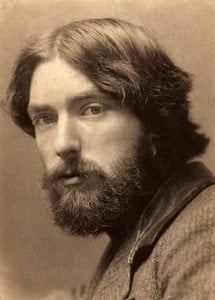
A Welsh Bohemian: The Life and Art of Augustus Edwin John
Augustus Edwin John, un artist de o importanță remarcabilă în arta britanică timpurie, a fost mai mult decât un pictor; a fost o personalitate complexă, ale cărei vieți și opere au fost marcate de nonconformism, pasiuni intense și o capacitate extraordinară de a surprinde esența umană. Născut la 4 ianuarie 1878 în Tenby, un orășel pitoresc din Țara Galilor, John a avut o viață artistică plină de aventuri, influențe diverse și o evoluție stilistică fascinantă. De la începuturile sale ca artist tânăr, până la recunoașterea sa ulterioară ca unul dintre cei mai importanți portretisti ai vremii, John a lăsat o amprentă profundă asupra peisajului artistic britanic.
Early Years and Artistic Training
Influența mamei sale, o artistă talentată în sine, a fost crucială pentru dezvoltarea lui John de la o vârstă fragedă. Ea i-a oferit un mediu stimulativ și l-a încurajat să își dezvolte abilitățile de desen. La vârsta de 17 ani, s-a alăturat Școlii de Artă din Tenby, unde a demonstrat rapid o aptitudine naturală pentru pictură. Mai târziu, a continuat studiile la Slade School of Fine Art din Londra (1894-1898), sub îndrumarea lui Henry Tonks, un profesor influent și critic de artă. La Slade, John a perfecționat tehnicile sale de desen, dobândind o înțelegere profundă a anatomiei și compoziției, dar mai ales, a fost expus la ideile inovatoare ale vremii, influențate de maeștrii clasici precum Rubens și de artiștii francezi moderni precum Matisse și Gauguin. Această combinație de tradiție și modernitate a format baza stilului său unic.
A Turning Point: The Head Injury and the Emergence of Spontaneity
Un eveniment dramatic din 1897, un accident în timpul unei scufundări la Tenby, a marcat o schimbare fundamentală în viața și arta lui John. Un traumatism cranian l-a afectat profund, declanșând o nouă intensitate emoțională și o spontaneitate necontrolată. Această transformare s-a reflectat imediat în picturile sale, care au devenit mai expresive, mai dinamice și mai pline de culoare. John a început să ignore regulile academice tradiționale, preferând o abordare directă și viscerală a subiectelor sale. Această schimbare radicală a fost crucială pentru dezvoltarea sa artistică ulterioară.
Influences and Artistic Style
Stilul lui John era un amestec complex de influențe. El era profund inspirat de maeștrii clasici, în special de Rubens, admirând dinamismul compozițiilor și bogăția culorilor sale. În același timp, a fost influțat de artiștii francezi moderni, care au adoptat o abordare mai expresivă a culorii și au respins constrângerile academice. Tonurile subtile ale lui Puvis de Chavannes l-au influențat, oferindu-i o înțelegere profundă a armoniei tonale. Aceste influențe diverse s-au combinat pentru a crea un stil distinctiv caracterizat de nuanțe vibrante, contururi fluide și o atenție deosebită acordată captării esenței subiectelor sale. John nu era interesat doar de reprezentarea fidelă; el căuta să dezvăluie viața interioară, emoțiile fugare care definiu fiecare individ. Această căutare l-a făcut un excelent portretist, capabil să surprindă personalitatea și stările sufletești ale modelelor sale cu o acuratețe remarcabilă.
Portraits and Beyond: A Diverse Artistic Career
John este cel mai cunoscut pentru portrete sale, care au devenit emblematice pentru arta britanică de la începutul secolului XX. Lucrări precum *Caspar* (1909), un portret emoționant al unui tânăr, și *Air Mechanic Shaw* (1935), o reprezentare puternică a lui T.E. Lawrence, demonstrează măiestria sa în acest gen. Cu toate acestea, interesele sale artistice s-au extins dincolo de portrete. Fascinația sa pentru cultura romană l-a condus să călătorească și să trăiască printre aceste popoare nomade, absorbind influențele lor culturale și reflectându-le în operele sale. John a pictat peisaje, studiile tonale și portrete ale unor figuri importante din lumea literară și aristocratică, inclusiv Virginia Woolf, George Bernard Shaw, Winston Churchill și Dylan Thomas.
Legacy and Recognition
În timpul carierei sale, John a cunoscut atât recunoaștere larg răspândită, cât și perioade de evaluare critică fluctuantă. Inițial, a fost aclamat pentru tehnicile sale inovatoare de desen și pictură în ulei, dar ulterior unii critici au considerat că operele sale sunt prea flambante sau lipsite de finețe artistică. În ciuda acestor provocări, Augustus Edwin John a rămas o figură importantă în istoria artei britanice. A fost unul dintre puținii artiști ai vremii sale care a obținut recunoaștere publică larg răspândită și a jucat un rol crucial în popularizarea impresionismului post-impresionist în Marea Britanie. În 1942, a primit Ordinul Merit pentru contribuțiile sale la artă și cultură. După moartea sa, arta lui John a fost reevaluată, iar mulțumită acesteia, este apreciată astăzi pentru originalitatea și vitalitatea pieselor sale timpurii. Moștenirea lui John este întărită de realizările artistice ale surorii sale, Gwen John, care a contribuit semnificativ la mișcarea modernistă.
- Născut: 4 ianuarie 1878, Tenby, Wales
- Decedat: 31 octombrie 1961, Fordingbridge, Anglia
Augustus Edwin John’s art continues to captivate and inspire, reminding us of the power of individual expression and the enduring allure of a life lived with passion and artistic integrity.



 Previzualizare
 Comută pe versiunea Print
 Trimite prin felicitare
 Distribuie
 Detalii despre lucrare
 Ghid
Ghid

 Descarcă imaginea
 Produse similare
 Radiografie
 Galerie foto
 Q&A
Q&A Statistici


 Vezi mai mult






































 Opțiunea cu sticlă este disponibilă doar pentru dimensiuni de sub 110 cm