


Printuri giclée sau pe canvas de calitate muzeală, cu proces de producție rapid și opțiuni flexibile de finisare. ( Comandă pictură realizată manual Comută pe Imagine Digitală)





























Alegeți dintre dimensiunile noastre prestabilite, care respectă proporțiile originale ale operei de artă.

Introduceți lățimea și înălțimea necesare pentru a se potrivi ramei sau peretelui dumneavoastră. O printare poate fi doar tăiată, niciodată extinsă dincolo de dimensiunea imaginii originale, astfel încât o dimensiune cu o formă diferită va pierde o parte din imagine. Vă trimitem o simulare digitală pentru aprobare înainte de a imprima orice. Imaginea afișată pe această pagină nu prezintă tăierea reală — doar simularea arată acest lucru.
Livrare în întreaga lume () în 2 săptămâni, în loc de cele 4/5 săptămâni standard. (16 Noiembrie)
Veritas
Dimensiune reproducere
In this somber monochrome portrait, the figure of Veritas emerges from a deep, undifferentiated void. Painted by Arnold Böcklin about 1881, the work presents a female personification of Truth. She holds a long, slender sword upright in her right hand, a gesture that feels both steady and unyielding. Her gaze is direct, meeting the viewer with a stoic expression that suggests a quiet, piercing revelation. There is a sense of stillness here, as if she exists in a space removed from the passage of time.
The subject possesses a statuesque quality, her form rendered with a luminous skin texture that contrasts against the dark background. Fine, translucent folds of draped fabric fall from her head, adding a layer of soft, organic detail to her classical silhouette. The sharp, vertical line of the blade cuts through the composition, providing a rigid counterpoint to the curves of her anatomy. She does not merely exist within the frame; she commands the space with a presence that feels both ancient and immediate.
Through this allegorical lens, Arnold Böcklin explores themes of purity and strength. The grayscale palette strips away the distraction of color, forcing a confrontation with the subject's intense, singular purpose. Every shadow and highlight works to define her form, creating a sense of shallow depth that keeps the focus entirely on her unwavering stare and the metallic sheen of her weapon. Truth stands before us, stripped of ornament, defined only by her essence and her steel.
The composition centers on a vertical portrait, drawing the eye immediately to the upper torso and head of the woman. She holds a long, slender sword upright in her right hand, a sharp verticality that cuts through the space. This straight, rigid line of the blade provides a striking contrast to the soft, organic curves of her anatomy. The subject gazes directly toward the viewer with a stoic expression, her eyes meeting the observer in a moment of unyielding presence. Everything about her posture suggests a stillness that is both heavy and resolute.
Light and shadow perform a dramatic dance across the figure, creating a strong chiaroscuro effect. This interplay of light pulls her form out of a dark, undifferentiated void, giving the portrait a sense of shallow depth. The color palette remains strictly grayscale, stripping away the distraction of hue to focus entirely on the interplay of tone. One can almost feel the textures through the visual shifts: the smooth, luminous quality of the skin contrasts against the metallic sheen of the blade and the fine, translucent folds of the draped fabric falling from her head.
The work emerges from a style of academic realism infused with heavy allegorical symbolism. Every brushstroke seeks to ground the ethereal subject in a tangible, physical reality. This sense of presence is heightened by the medium, as the piece appears to be executed in oil on a small panel or canvas. The intimate scale of 27.4 x 21.8cm forces a close encounter with the subject, demanding a quiet, focused gaze to fully register the subtle shifts in light and form. It is a work that feels contained, as if the energy of the figure is being held within its modest boundaries.
A profound darkness defines the environment, with a background of deep black void that offers no sense of horizon or distance. This lack of setting pushes the figure forward, creating a sharp, dramatic contrast between the luminous skin and the surrounding nothingness. The light seems to strike the subject from an unseen source, carving out the anatomy with precision. This technique creates a sense of weight and volume, making the figure feel as though she is stepping out from the shadows into the viewer's immediate space. The composition remains fixed and steady, anchored by the verticality of the sword and the stillness of the pose.
Created about 1881, the painting relies on the interplay of light and shadow to define its narrative. The textures of the draped fabric and the metallic edge of the blade emerge from the darkness through careful application of pigment. There is a tension between the soft, organic lines of the human form and the rigid, unyielding geometry of the weapon. This visual dialogue between the living and the inanimate reinforces the allegorical weight of the scene, leaving the viewer to wonder at the silent strength held within this monochrome realm.
Nu – opera de artă este păstrată în străinătate. „Veritas” face parte din colecția din Germania, în timp ce Arnold Böcklin s-a născut în Elveția.
"Veritas" reprezintă perioada Mature Period a lui Arnold Böcklin.
„Veritas” de Arnold Böcklin este în domeniul public – drepturile de autor au expirat. Termenul de protecție a drepturilor de autor se calculează de la data decesului artistului, iar Arnold Böcklin a decedat în 1901.

Basel, Elveția, reprezintă punctul de plecare al unei vieți definite de tensiunea dintre tangibil și spectral. Născut pe 16 octombrie 1827, de Christian Frederick Böcklin și Ursula Lippe, tânărul ar fi depășit în cele din urmă comerțul cu mătase al tatălui său pentru a ajunge în sălile riguroase ale Academiei din Düsseldorf. Sub îndrumarea lui Schirmer, a început să absoarbă limbajul peisajului, o abilitate care ar fi fost folosită ulterior pentru a cartografia geografia sufletului uman. El nu a pictat doar decoruri; el a construit tărâmuri în care clasicul și macabrul se ciocnesc.
Traseul de la disciplina academică din Düsseldorf la lumina Parisului și greutatea antică a Romei marchează o schimbare fundamentală în viziunea sa. În Louvre, a absorbit istoria maeștrilor, dar atmosfera Italiei a fost cea care i-a modelat cu adevărat mâna. S-a întors în Roma între 1862 și 1866, o perioadă în care paleta sa a început să favorizeze culori mai violente și expresive. Aceasta nu era Italia luminoasă și însorită a Renașterii, ci un loc al umbrelor adânci și al greutății mitologice. Opera sa a început să tindă spre alegoric, utilizând figuri din antichitate pentru a explora prezența greaie și inevitabilă a mortalității.
Până la sfârșitul secolului XIX, reputația sa a fost ancorată de o preocupare specifică, tulburătoare. Între 1880 și 1886, a produs cinci versiuni ale operei Insula Morților. Această lucrare, inspirată de cimitirul englez din Florența, unde și-a fost îngropată fiica sa, a devenit un punct focal pentru mișcarea Simbolistă. Este o scenă de o liniște profundă: o insulă stâncoasă, copaci de cipre întunecați și o barcă ce se apropie de un țărm tăcut. Pictura nu doar descrie un loc; ea descrie o stare de existență. Această capacitate de a exprima intangibilul — șoaptele viselor și greutatea vieții de apoi — l-a plasat în centrul unei noi sensibilități europene.
Abordarea sa tehnică utiliza adesea un impasto gros și expresiv, în special în lucrări precum La Guerre (1896). În această piesă, pânza tremură sub haosul conflictului. El evită liniile curate ale tradiționalismului, optând în schimb pentru o compoziție densă, stratificată, unde figurile se ciocnesc printre ruine arhitecturale. Este o manifestare viscerală a distrugerii, unde vălul dintre mit și realitate se dizolvă într-o furtună de umbre. Stilul său a suprapus elemente cu Pre-Rafaeliții, însă a rămas distinct, concentrat pe un misticism care părea atât de antic, cât și tulburător de modern.
Impactul imaginii sale s-a întins mult dincolo de pânză, ajungând în tărâmul auditiv al muzicii de la sfârșitul perioadei romantice. Picturile sale au oferit un stimul vizual compozitorilor, influențând în mod remarcabil atmosfera lucrărilor lui Gustav Mahler. Capacitatea sa de a face puntea între vizual și psihic a însemnat că influența sa a fost simțită de cei care căutau să reprezinte subconștientul. Rădăcinile sale au atins mai multe generații de artiști:
A murit în Fiesole, Italia, lăsând în urmă o operă care a refuzat să fie ușor categorisită. A fost un pictor al peisajului elvețian, al tavernei romane și al grovei mitologice, însă adevăratul său subiect a rămas prezența tăcută și durabilă a necunoscutului. Lucrările sale rămân păstrate în colecții de importanță, inclusiv în Kunstmuseum Basel și Kunsthaus Zürich, servind ca ancoră pentru cei care explorează intersecția dintre mit și mortalitate.

1827 - 1901 , Elveția
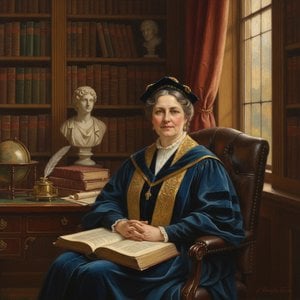
Discover the profound beauty of Academic Portraiture. Explore how classical realism captures prestige through meticulous technique, anatomical truth, and timeless elegance—perfect for discerning collectors seeking museum-quality mastery and historical grandeur.

Explore the clinical precision of German New Objectivity through masters like Otto Dix. Discover the truth behind the Weimar era's raw realism.

Discover the profound beauty of Classical Realism. Explore a curated guide to academic mastery, from technical precision to timeless elegance, perfect for discerning collectors seeking museum-quality excellence and bespoke artistry.

Master the art of decoding hidden symbols and visual allegories in historical masterpieces. Elevate your collection with expert insights.

Decode the profound symbolism of hands in masterworks from Van Gogh to Hindu mudras. Explore the silent language of art with our expert guide.
 Previzualizare

 Trimite prin felicitare
 Distribuie
 Detalii despre lucrare
 Ghid


 Descarcă imaginea
 Produse similare
 Radiografie
 Galerie foto
 Întrebări și răspunsuri

 Statistici


 Vezi mai mult









 Opțiunea cu sticlă este disponibilă doar pentru dimensiuni de sub 110 cm


