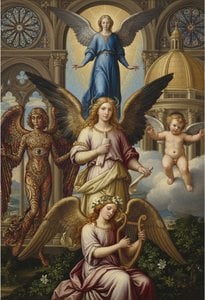
A Renaissance Forged in Antiquity: The Life and Art of Andrea Mantegna
Andrea Mantegna, născut în apropierea Paduei, în jurul anului 1431, reprezintă o figură centrală care a unit Renașterea timpurie și cea de mari realizări. Călătoria sa artistică nu a fost doar despre adoptarea formelor clasice; a fost o excavare intensă a antichității, un efort pasionat de a reînvia spiritul Romei în interiorul Renașterii italiene aflate la începuturi. Spre deosebire de mulți contemporani care s-au inspirat din modelele clasice, Mantegna posedă o fervoare unică pentru acuratețea arheologică. Această obsesie a fost alimentată de anii săi formativi sub Francesco Squarcione, un pictor și colecționar al cărui atelier funcționa mai puțin ca un studio tradițional și mai mult ca o academie dedicată studiului ruinei romane, sculpturilor și inscripțiilor. Acolo, înconjurat de fragmentele unui imperiu pierdut, viziunea sa artistică a început să se contureze – o viziune caracterizată de forme sculpturale, perspectivă dramatică și o atenție aproape obsesivă la detalii. Viața sa timpurie rămâne parțial învăluită în mister; relatările sugerează că a fost descoperit ca un ucenic promițător, talentul său innat fiind recunoscut și cultivat de Squarcione, în ciuda originii sale modeste. Acest început neobișnuit ar fi putut alimenta perseverența sa artistică și determinarea de a-și forja propriul stil distinctiv.
The Gonzaga Court and the Illusion of Reality
Cariera lui Mantegna a prosperat cu adevărat atunci când a intrat în serviciul familiei Gonzaga din Mantua, devenind pictor curte în 1488. Această patronaj i-a oferit o libertate artistică fără precedent și o platformă pentru a-și realiza cele mai ambițioase proiecte. Gonzaga nu au fost doar patroni; erau colaboratori, comandând opere care au depășit granițele inovației artistice. A fost în această perioadă când Mantegna a creat ce este probabil capodopera sa: frescele *Camera degli Sposi* (Camera Miresei) din Palazzo Ducale. Lucrarea aceasta revoluționară transcende simpla decorare; este un mediu iluzoriu complet, integrând perfect arhitectura și pictura pentru a crea o senzație extinsă de spațiu. Frescelele reprezintă scene din viața familiei Gonzaga, portrete remarcabil de realiste și captivante, și un panou de tavan *di sotto in sù* (privit de jos) care creează iluzia unui cer deschis. Această manipulare magistrală a perspectivei nu a fost doar o demonstrație de pricepere tehnică; a fost despre crearea unei lumi în interiorul unei camere, estompând granițele dintre realitate și reprezentare. Dincolo de *Camera degli Sposi*, Mantegna a continuat să creeze opere de calitate excepțională pentru curtea Gonzaga, inclusiv seria monumentală *Triumphs of Caesar*. Aceste picturi, inspirate din procesiunile triumfale romane, nu sunt doar reprezentări istorice; sunt alegorii elaborate care celebrează puterea și prestigiosul familiei Gonzaga, prezentate cu o grandiozitate care rivalizează cu ambițiile imperiale ale Romei antice.
A Master of Perspective and Anatomical Precision
Inovațiile artistice ale lui Mantegna s-au extins dincolo de mediile iluzorii. A fost un pionier în utilizarea perspectivei, folosind adesea tehnici care au încălcat metodele convenționale pentru a obține efecte dramatice. De multe ori, ajusta linia orizontului, creând o senzație de monumentalitate și scară impunătoare. Această tehnică, combinată cu atenția sa minuțioasă la detaliile anatomice, i-a oferit figurilor sale o prezență remarcabilă. Nu era mulțumit doar să reprezinte corpul uman; îl dezmembra, îl studia pe musculatură și îl redase cu o precizie revoluționară pentru vremea sa. Maestrul său în *trompe-l'oeil* – crearea iluziilor atât de convingătoare încât păcălește ochii – a accentuat și mai mult acest efect, estompând granițele dintre pictură și realitate. Această dedicare față de precizia anatomică nu a fost doar un exercițiu de pricepere tehnică; ea reflecta implicarea sa profundă cu sculpturile clasice și dorința sa de a emula formele idealizate ale antichității. El căuta nu numai să reprezinte corpul uman, ci și să captureze demnitatea și puterea sa intrinseci. Influența sa asupra generațiilor ulterioare de artiști, inclusiv a lui Rafael și Michelangelo, este incontestabilă, deoarece aceștia au construit pe fundațiile sale în perspectivă, anatomie și compoziție.
Legacy and Enduring Influence
Andrea Mantegna a murit în Mantua în 1506, lăsând în urmă un moștenire care rezonează încă cu istoricii de artă și pasionații. Lucrarea sa reprezintă o întrupare crucială în istoria artei renascentiste, punând capăt liniei dintre stilurile timpurie și a marii realizări. El nu a fost doar un imitator al formelor clasice; a fost un interpret, adaptând motivele și tehnicile antice pentru a crea ceva cu adevărat nou și unic pentru el.
Atenția sa minuțioasă la detalii, măiestria în perspectivă și implicarea sa profundă cu antichitatea au consacrat-o ca fiind o figură de seamă a timpului său. *Explorarea lui Mantegna a temelor clasice a ajutat la reînvierea interesului pentru arta și cultura antice*, pregătind calea pentru realizările artistice ale Renașterii mari. Influența sa poate fi văzută în operele multor artiști care au urmat, de la compozițiile grațioase ale lui Rafael până la figuri puternice ale lui Michelangelo. Astăzi, picturile sale sunt expuse în muzee importante din întreaga lume, inclusiv Galeria Națională din Londra și Pinacoteca di Brera din Milano, unde continuă să inspire uimire și admirație.
- Utilizarea sa inovatoare a perspectivei este studiată încă de artiști și istorici ai artei.
- Precizia sa anatomică rămâne un standard pentru reprezentarea realistă.
- Dedicarea sa față de teme clasice a ajutat la modelarea cursului artei renascentiste.
Moștenirea durabilă a lui Mantegna nu constă doar în măiestria sa tehnică, ci și în capacitatea sa de a imbue operele sale cu un sentiment de profunzime intelectuală și putere emoțională, făcându-l unul dintre cei mai importanți și influenți artiști ai Renașterii italiene.



 Previzualizare
 Comandă pictură lucrată manual
 Trimite
 Distribuie
 Detalii despre lucrare

 Descarcă
 Produse similare
 Radiografie
 Diapozitive automate
 Statistici

 Vezi mai mult






































 Opțiunea cu sticlă este disponibilă doar pentru dimensiuni de sub 110 cm