


 Acrylic On CanvasWallArtEarly Renaissance
 1465
1465 86.0 x 69.0 cm
Pictură în ulei pe pânză, realizată manual de artiștii noștri la dimensiunea și ramele dorite de dumneavoastră, pe comandă. ( Comandă printul Cumpără imaginea)





























Alegeți dintre dimensiunile noastre prestabilite, care respectă proporțiile originale ale operei de artă.

Puteți introduce propriile dimensiuni pentru a se potrivi unui anumit cadru sau spațiu. Dacă dimensiunea selectată nu corespunde proporțiilor imaginii originale, vom decupa opera de artă sau vom extinde pictura cu elemente suplimentare pictate manual. O simulare digitală vă va fi trimisă pentru aprobare înainte de începerea producției.
Vă rugăm să rețineți că previzualizarea de pe ecran nu reflectă decuparea sau extinderea reală. Doar macheta va arăta cu exactitate compoziția finală.
Deși sunt disponibile dimensiuni personalizate, vă recomandăm să selectați o dimensiune din lista predefinită pentru a păstra proporțiile originale.
Livrare în întreaga lume () în 3-4 săptămâni, în loc de cele 5 săptămâni standard. (7 Septembrie). Fără compromisuri în ceea ce privește calitatea.


The Presentation
Dimensiune reproducere
Andrea Mantegna’s “The Presentation at the Temple,” painted around 1455, stands as a cornerstone of Early Renaissance art—a testament to its fascination with classical ideals and meticulous observation of detail. More than just a depiction of biblical narrative, it embodies a profound intellectual engagement with Roman antiquity, reflecting Mantegna's formative years under Francesco Squarcione’s tutelage at Padua’s humanist workshop.
The color palette leans heavily on earthy tones – browns, reds, and golds – accented by delicate whites and muted blues. These hues are strategically contrasted to highlight key figures like Mary’s pale skin and the infant Jesus’ crimson robe, emphasizing visual impact and conveying solemn reverence.
Beyond its formal elements, “The Presentation” resonates with profound symbolic meaning. The aureola encircling Mary, Jesus, and Simeon signifies holiness and divine grace, while the expressions on their faces convey tenderness, piety, and unwavering faith—capturing the essence of spiritual contemplation.
Mantegna’s dedication to accuracy—evident in the detailed rendering of drapery folds, skin tones, and architectural elements—reflects a humanist impulse rooted in the rediscovery of classical knowledge. This artwork remains an enduring emblem of Renaissance artistic ambition: a courageous attempt to revive the grandeur and intellectual rigor of Rome amidst the burgeoning cultural landscape of Florence and Padua.


1431 - 1506 , Italia
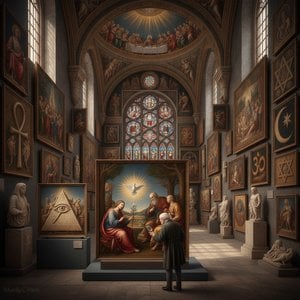
Explore the profound power of religious symbolism in art history. From Renaissance masterpieces to sacred iconography, uncover the hidden meanings behind divine details in a deep dive into classical art excellence.
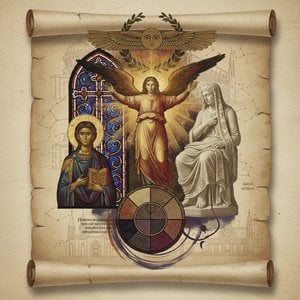
Explore the profound impact of spiritual themes in fine art. From Renaissance iconography to Baroque drama, discover how sacred symbolism and divine visions have shaped art history through a scholarly and reflective lens.

 Previzualizare
 Trimite
 Distribuie
 Detalii despre lucrare

 Descarcă
 Produse similare
 Radiografie
 Diapozitive automate
 Vezi mai mult







 Opțiunea cu sticlă este disponibilă doar pentru dimensiuni de sub 110 cm


