CONSULTAȚIE GRATUITĂ ÎN ARTE VIZUALE

x
Comandă tipăritul Comandă tipăritulComandă reproducere pictată Comandă reproducere pictată TrimiteTrimite
Detalii despre lucrareDetalii despre lucrare Adaugă la favorite Adaugă la favorite DescarcăDescarcă SimilareSimilare RadiografieRadiografie DiaporamaDiaporama

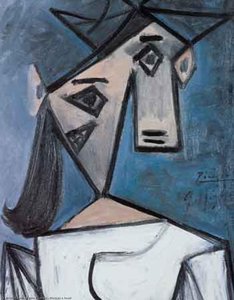
Head

Discover Amedeo Modigliani’s ‘Head’ (1913), a rare limestone sculpture showcasing his signature elongated forms & refined style. Explore this masterpiece's brutal beauty & artistic significance.

Descoperă arta fascinantă a lui Amedeo Modigliani (1884-1920): portrete iconice și sculpturi definite de forme încordate, ochii expresivi și o frumusețe tragică emoționantă. Explorează moștenirea acestui artist unic!

Achiziționați o imagine digitală îmbunătățită și de înaltă rezoluție, mult superioară previzualizării online.

Fiecare fișier este pregătit cu meticulozitate de specialiștii noștri interni, utilizând instrumente avansate și retușare manuală expertă. Ne asigurăm că fiecare imagine beneficiază de o claritate excepțională, o acuratețe precisă a culorilor și detalii fine.

Fișierul final este livrat prin e-mail în termen de 72 de ore, optimizat pentru utilizare imediată în medii profesionale, editoriale și de imprimare. Aceasta este aceeași calitate în care au încredere studiouri de design, edituri și galerii de top.

Imagine Digitală

Descărcați un fișier la rezoluție înaltă pentru afișare personală, imprimare și proiecte creative.

Preț total

$9.99

Inclus în fiecare comandă de imagini digitale

Livrare digitală de expertiză, garantată

Când alegeți WahooArt.com, nu primiți doar o simplă imagine – primiți o operă de artă digitală îmbunătățită profesional, creată cu precizie și susținută de o garanție de satisfacție. Iată tot ceea ce primești odată cu comanda ta, în mod automat:

shipping_icon
Livrare rapidă prin e-mail

Fișierul imaginii digitale la rezoluție înaltă vă va fi trimis prin e-mail în termen de 72 de ore de la finalizarea comenzii – gata pentru utilizare imediată.

canvas_icon
Fișier digital optimizat prin IA

Opera ta de artă este optimizată profesional prin intermediul unor instrumente AI avansate și al editării manuale, asigurând un nivel maxim de detalii, claritate și acuratețe a culorilor.

insurance_icon
Retransmitere gratuită pe viață

Ai șters sau ai pierdut din greșeală fișierul? Nu îți face griji – ți-l vom retrimite oricând, gratuit.

tax_icon
Fără taxe de import – Întotdeauna

Bucură-te instant de opera ta de artă, fără taxe vamale, taxe de import sau costuri de livrare – descărcările digitale sunt întotdeauna fără taxe.

color_icon
Garanția acurateței culorilor

Asigurăm că imaginea ta digitală reflectă culorile originale cât mai fidel posibil, utilizând instrumente profesionale și procese de gestionare a culorii.

return_icon
Garanție de satisfacție de 60 de zile

Dacă nu sunteți mulțumit de imaginea digitală achiziționată, o vom revizui sau vă vom returna 100% în termen de 60 de zile – fără nicio explicație necesară.

guarantee_icon
Garanție de returnare 100% a banilor

Nu ești mulțumit? Obține o rambursare completă în termen de 60 de zile de la primirea fișierului tău digital – fără întrebări.

discount_icon
Reduceri pentru comenzi multiple

Cumpără 3 imagini, economisește 10% - Cumpără 5, economisește 15% - Cumpără 10+, economisește 20%. Ideal pentru proiecte creative, galerii și agenții.

Informații rapide

  • subject: Human head (bust)
  • medium: Carved limestone
  • title: Head
  • year: 1913
  • movement: Modernism, École de Paris
  • style: Stylized, abstract
  • notable elements: Elongated face, simplified features, rough and refined surfaces, tapered neck.

Test de cunoștințe despre artă

Fiecare întrebare are un singur răspuns corect.

Întrebare 1:
What material is Amedeo Modigliani's 'Head' primarily carved from?
Întrebare 2:
Around what year was this sculpture created?
Întrebare 3:
Which artist significantly influenced Modigliani's sculptural style, particularly his direct carving technique?
Întrebare 4:
The description notes a balance of contrasting qualities in the sculpture. What are they?
Întrebare 5:
Modigliani envisioned his heads as elements within what kind of structure?

Descrierea obiectului de colecție

A Masterpiece of Modern Sculpture: Modigliani’s “Head”

This captivating limestone sculpture, created in 1913 by Amedeo Modigliani, offers a rare glimpse into the artist's profound exploration of form and emotion. One of approximately twenty-seven surviving sculptures by Modigliani, this *Weiner Head* stands out for its compelling duality – a harmonious blend of raw power and refined elegance.

Subject & Style: Echoes of Antiquity

The sculpture depicts a human head and shoulders, strikingly elongated in the manner characteristic of Modigliani’s style. The face is oval, with simplified features—almond-shaped eyes and a subtly smiling mouth—that evoke both serenity and introspection. This deliberate stylization isn't merely aesthetic; it draws heavily from ancient art traditions. Modigliani consciously referenced African, Egyptian, Greek, and Cambodian statuary, seeking to revitalize sculpture by returning to its primal roots. The elongated form and simplified features create a sense of timelessness, suggesting the subject is not a specific individual but rather an archetype—a deity or a being from myth.

Technique & Materiality: A Dialogue with Stone

Modigliani was a fervent advocate of *direct carving*, a technique where the artist directly shapes the stone without preliminary models. This approach is vividly apparent in “Head.” The surface is alive with the marks of its creation—blunt gouges and sensual striations from the sculptor’s chisels contrast beautifully with the sharper incisions defining the hair. He scavenged limestone, often from construction sites like the Paris subway, embracing the material's inherent qualities. This choice isn’t accidental; the rough-hewn base from which the refined head emerges symbolizes a birth of form from chaos—a powerful metaphor for artistic creation itself.

Historical Context: Parisian Avant-Garde

Modigliani arrived in Paris in 1906, immersing himself in the vibrant avant-garde scene. He was particularly influenced by Constantin Brâncuși, who became a neighbor and mentor. In 1912, Modigliani exhibited seven of his heads as a “decorative ensemble” at the Salon d’Automne alongside Cubist paintings, challenging conventional notions of beauty and representation. His work represented a bold departure from traditional sculpture, embracing abstraction while retaining a recognizable human form. Paul Guillaume, Modigliani's dealer, famously described these heads as "columns of tenderness" intended for a “temple of beauty.”

Symbolism & Emotional Impact: Tenderness and Timelessness

While seemingly austere, “Head” radiates a profound emotional resonance. The elongated features and simplified forms aren’t cold or detached; they convey a sense of quiet dignity and inner peace. The sculpture invites contemplation, prompting viewers to consider the essence of humanity beyond superficial appearances. It's a work that speaks to universal themes of beauty, spirituality, and the enduring power of art.

Modigliani’s Legacy

Sadly, illness and poverty forced Modigliani to abandon sculpture around 1914, returning to painting portraits and nudes until his untimely death in 1920 at just thirty-five years old. Despite the relatively small number of sculptures he created, they remain among his most celebrated works—testaments to his unique vision and enduring artistic genius. “Head” is not merely a sculpture; it’s a window into the soul of an artist who dared to redefine beauty in the modern age.

Opere de artă similare


Biografie Artist

A Life Etched in Longing: The World of Amedeo Modigliani

Amedeo Clemente Modigliani, a name synonymous with haunting beauty and melancholic grace, remains one of the most beloved and tragically romantic figures of early 20th-century art. Born in Livorno, Italy, in 1884 into a family steeped in Sephardic Jewish heritage, his life was marked by both profound artistic vision and persistent hardship. Frequent illness shadowed his youth – pleurisy and typhoid fever became unwelcome companions – perhaps instilling within him a sensitivity to fragility that would permeate his work.

Though born into relative comfort, the family’s financial fortunes waned, adding another layer of complexity to the young Modigliani's formative years. It was a childhood punctuated by intellectual stimulation, thanks to his mother and grandfather who introduced him to the works of Nietzsche, Baudelaire, and Lautréamont, laying the groundwork for an artistic sensibility that would reject conventional norms.

The pull of Paris proved irresistible, and in 1906, Modigliani embarked on a journey that would define his career. The city was then a crucible of artistic innovation, teeming with revolutionary ideas and challenging conventions. He immersed himself in the vibrant art scene, encountering giants like Pablo Picasso and Constantin Brâncuși, figures who profoundly shaped his aesthetic trajectory. Initially drawn to the burgeoning Cubist movement, Modigliani quickly found its rigid geometry too constricting for his expressive needs. His artistic spirit yearned for something more lyrical, more deeply rooted in human emotion.

He began a period of intense experimentation, absorbing influences from African sculpture – particularly its elongated forms and simplified features – and the archaic grace of Italian Renaissance art. This fascination with African art would become a cornerstone of his distinctive style, informing his sculptural endeavors and shaping his artistic vision.

The Sculpted Soul: Style and Innovation

Modigliani’s signature style emerged as a unique synthesis of these diverse inspirations. His portraits, arguably his most celebrated works, are instantly recognizable for their elongated faces and necks, almond-shaped eyes devoid of pupils, and an overall sense of serene melancholy. These were not merely likenesses; they were explorations of the inner life, capturing a profound psychological depth in each subject. He stripped away extraneous detail, focusing on essential forms to convey emotion with remarkable economy.

His nudes, often controversial during his lifetime, possess a similar quality – a quiet dignity and vulnerability that transcends mere physical representation. The figures are not overtly sensual but rather imbued with a sense of timeless beauty and existential longing. Modigliani’s masterful manipulation of line—a technique he honed through meticulous observation and relentless practice—became synonymous with his artistic idiom.

Notable Works

  • Nude Bust (35 x 26 cm): A quintessential example of Modigliani’s elongated forms and expressive style, showcasing his mastery of the human figure.
  • Reclining Nude with Loose Hair: Demonstrates his ability to capture the essence of femininity with a delicate balance of sensuality and vulnerability.
  • Seated Female Nude (92 x 60 cm): A powerful depiction of the female form, characterized by its simplified shapes and serene composure.
  • Portrait of Jeanne Hebuterne: Numerous portraits capturing his lover and muse, revealing a poignant emotional depth and intimate connection.

A Life Marked by Shadows

Modigliani’s personal life was as turbulent as his artistic journey. He struggled with poverty and addiction throughout much of his career, often relying on the generosity of friends and patrons. His relationship with Jeanne Hébuterne, a young artist herself, became the central emotional anchor in his life. They shared a deep love and mutual artistic understanding, but their happiness was tragically short-lived.

The pressures of poverty, Modigliani’s declining health, and Jeanne's pregnancy created an unbearable strain. In 1920, devastated by the birth of their daughter and overwhelmed by despair, Jeanne took her own life. Just days later, Modigliani succumbed to tubercular meningitis at the age of only 35.

Legacy of a Lost Generation

Despite facing little recognition during his lifetime, Amedeo Modigliani’s work experienced a dramatic surge in popularity after his death. His paintings and sculptures began to command increasingly high prices, and his distinctive style exerted a profound influence on subsequent generations of artists. He became an icon of the bohemian spirit, embodying the struggles and triumphs of a lost generation grappling with modernity and existential questions.

Today, Modigliani’s works are held in prestigious museums around the world, including the Osaka City Museum of Modern Art, the Musée d'Art Moderne de la Ville de Paris, and numerous private collections. His portraits continue to captivate viewers with their haunting beauty and emotional resonance, serving as a poignant reminder of a life lived on the edge – a life etched in longing, passion, and an unwavering commitment to artistic truth.

Modigliani

Modigliani

1884 - 1920 , Italia

Detalii rapide

  • Artistic Movement Or Style: Expresionism
  • Artists Or Movements Influenced By This Artist: ['Modernism']
  • Artists Who Influenced This Artist:
    • Brâncuși
    • Picasso
  • Date Of Birth: 12 iulie 1884
  • Date Of Death: 24 ianuarie 1920
  • Full Name: Amedeo Clemente Modigliani
  • Nationality: Italian
  • Notable Artworks:
    • Nud Bust
    • Reclining Nude
    • Seated Female Nude
  • Place Of Birth: Livorno, Italia