x
PrevizualizarePrevizualizare Previzualizare ARPrevizualizare AR Comandă printul Comandă printulCumpără imaginea Cumpără imaginea TrimiteTrimite
Detalii despre lucrareDetalii despre lucrare Adaugă la favorite Adaugă la favorite DescarcăDescarcă Produse similareProduse similare RadiografieRadiografie Diapozitive automateDiapozitive automate

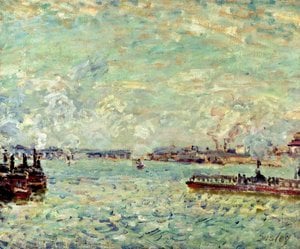
Abandoned Cottage

Alfred Sisley’s ‘Abandoned Cottage’ captures rural tranquility in Impressionist brushstrokes. Explore this 1894 oil painting's serene beauty & Sisley’s masterful light, color, and technique.

Descoperă pictura impresionistă „Misty Morning în Veneux” de Alfred Sisley – o imagine încântătoare a naturii

Reproducere pictată manual în ulei

Pictură în ulei pe pânză, realizată manual de artiștii noștri la dimensiunea și ramele dorite de dumneavoastră, pe comandă. (Comandă printul Comandă printulCumpără imaginea Cumpără imaginea)

P118B $10
P118H $10
P118W $10
P438Z $10
P508JH $12
P508YH $12
P805H $10
P805Z $10
P919BZ $10
P919G $10
P919XJ $10
P959ZH $10
P968JZ $12
W106C $8
W218G $10
W218JH $8
W218Y $10
W307PJ $10
W316G $10
W316PJ $8
W316Y $10
W398PJ $8
W4111J $10
W500HY $15
W500JH $15
W692G $12
W849H $8
W940BG $15
W953PJ $8

Standard
personalizat
CM
INCH

Alegeți dintre dimensiunile noastre prestabilite, care respectă proporțiile originale ale operei de artă.

lățime
înălțime

Puteți introduce propriile dimensiuni pentru a se potrivi unui anumit cadru sau spațiu. Dacă dimensiunea selectată nu corespunde proporțiilor imaginii originale, vom decupa opera de artă sau vom extinde pictura cu elemente suplimentare pictate manual. O simulare digitală vă va fi trimisă pentru aprobare înainte de începerea producției.
Vă rugăm să rețineți că previzualizarea de pe ecran nu reflectă decuparea sau extinderea reală. Doar macheta va arăta cu exactitate compoziția finală.
Deși sunt disponibile dimensiuni personalizate, vă recomandăm să selectați o dimensiune din lista predefinită pentru a păstra proporțiile originale.

Exemple de elemente ce pot fi personalizate: Înlocuiți fața cu fotografia clientului; Adăugați un animal de companie (de exemplu, înlocuiți pisica cu un câine); Includeți un mesaj ascuns în fundal; Schimbați peisajul sau elementele din fundal.
După plasarea comenzii, echipa WahooArt.com va contacta clientul prin e-mail pentru instrucțiuni și îi va furniza o previzualizare a machetei

Livrare în întreaga lume () în 3-4 săptămâni, în loc de cele 5 săptămâni standard. (29 August). Fără compromisuri în ceea ce privește calitatea.

why_choose_icon
Livrare expres gratuită la nivel mondial
why_choose_icon
Pânză de in de înaltă calitate
why_choose_icon
Asigurare completă pentru transport
why_choose_icon
Garanție de rambursare a taxelor vamale
why_choose_icon
Garanția fidelității culorilor
why_choose_icon
Politica de retur în 60 de zile (doar pentru defecte)
why_choose_icon
Garanție de rambursare 100%
why_choose_icon
Ofertă pentru comenzi multiple

Preț total

$ 272

reproduction

Abandoned Cottage

Tehnică de reproducere

Dimensiune reproducere

-

Preț total calculat

$ 272

Informații rapide

  • Artistic style: Impressionist
  • Influences:
    • Monet
    • Renoir
  • Year: 1894
  • Notable elements: Soft brushstrokes, light
  • Movement: Impressionism
  • Title: Abandoned Cottage
  • Location: Private Collection

A Moment Frozen in Time: Alfred Sisley's Abandoned Cottage

  • Subject Matter: At its heart, "Abandoned Cottage" is a tender meditation on the quiet beauty of rural life. Alfred Sisley masterfully captures a humble thatched cottage nestled within a serene landscape – a scene brimming with wildflowers and rolling hills under an overcast sky. The painting isn't about grand architecture or dramatic events; it’s about the simple dignity of everyday existence, a poignant reminder of connection to nature and tradition.
  • Impressionist Style: Sisley was a key figure in the Impressionist movement, and this work exemplifies its core tenets. He eschews meticulous detail in favor of capturing fleeting moments of light and atmosphere. The loose brushstrokes, characteristic of the style, create a sense of movement and immediacy, inviting the viewer to step into the scene and experience it as Sisley did – a sensory immersion rather than a purely observational one.

Technique and Materials: A Dance with Light

  • Oil on Canvas: The painting is executed in oil on canvas, a technique favored by Sisley for its ability to blend colors seamlessly and create rich textures. Notice the short, broken brushstrokes that build up layers of color – a deliberate choice designed to capture the effects of light and shadow with remarkable accuracy.
  • Color Palette: The artist employs a muted palette dominated by earth tones—greens, browns, and blues—with subtle touches of brighter hues reflecting the wildflowers and sky. This restrained use of color contributes significantly to the painting’s tranquil mood, enhancing its sense of serenity.
  • Brushwork: Sisley's brushwork is remarkably delicate, almost feathery in places, particularly when depicting the thatched roof and surrounding foliage. These soft strokes contribute to the overall impression of lightness and airiness, further emphasizing the scene's peaceful atmosphere.

Historical Context and Artistic Significance

  • The Impressionist Movement: Created in 1894, "Abandoned Cottage" reflects the broader artistic currents of its time. Sisley was a key member of the Société des Artistes Indépendants, a group that championed independent artistic expression and challenged the conventions of academic art.
  • Sisley's Legacy: Alongside Monet, Renoir, and Pissarro, Sisley played a crucial role in shaping the Impressionist movement. His focus on light and color, combined with his sensitive portrayal of rural landscapes, established him as one of the most important artists of the era. The painting’s influence can be seen in subsequent generations of landscape painters.
  • Related Works: The painting's themes align closely with other works by Sisley, such as "Church at Moret after the Rain" and “The Church at Moret, Afternoon,” demonstrating his consistent approach to capturing light and atmosphere within a rural setting.

Symbolism and Emotional Impact

  • The Cottage as Symbol: The abandoned cottage itself carries symbolic weight, representing not just a physical structure but also a connection to tradition, heritage, and the simple pleasures of life. It evokes a sense of nostalgia and invites contemplation about the passage of time.
  • Serenity and Tranquility: Ultimately, "Abandoned Cottage" is a painting that exudes serenity and tranquility. Sisley’s masterful use of light, color, and brushwork creates an atmosphere of profound peace, inviting viewers to escape the stresses of modern life and immerse themselves in the beauty of nature.

Biografie artist

A Life Immersed in Light and Landscape

Alfred Sisley, a name often whispered alongside those of Monet, Renoir, and Pissarro, occupies a unique and profoundly beautiful space within the Impressionist movement. Born in Paris on October 30, 1839, to British parents—William Sisley, a silk merchant, and Felicia Sell, a music enthusiast—he carried a dual heritage that subtly informed his artistic vision. Though he would spend nearly his entire life in France, Sisley retained British citizenship, a fact that brought him personal disappointment later in life when applying for French naturalization was refused. His early years were comfortably bourgeois, affording him the opportunity to pursue studies initially intended for a commercial career in London at the age of eighteen. However, the allure of art proved too strong, and he returned to Paris in 1861, embarking on formal training under Swiss artist Marc-Charles-Gabriel Gleyre at the École des Beaux-Arts. It was here, amidst the burgeoning artistic ferment of the era, that Sisley forged crucial friendships with Monet, Renoir, and Bazille—relationships that would profoundly shape his artistic trajectory. These companions shared a rebellious spirit, rejecting the rigid conventions of academic painting in favor of capturing the fleeting effects of light and atmosphere directly from nature.

The Quiet Master of Impressionism

Sisley’s dedication to *plein air* painting—working outdoors, directly observing the natural world—was unwavering. Unlike some of his contemporaries who experimented with diverse genres, Sisley remained steadfastly committed to landscape throughout his career. This focused devotion allowed him to refine a distinctive style characterized by tranquility, delicate color palettes, and a subtle rendering of light. His canvases are often awash in pale shades of green, pink, purple, dusty blue, and cream, creating an atmosphere of serene contemplation. While the early works remain largely lost to time, his mature paintings reveal a meticulous observation of nature combined with a poetic sensibility. He wasn’t interested in grand narratives or dramatic gestures; instead, he found beauty in the everyday—in the gentle flow of rivers, the dappled light filtering through trees, and the quiet charm of rural life. His early struggles for recognition were compounded by his father's financial difficulties following the Franco-Prussian War in 1870, forcing Sisley to rely solely on the sale of his art for sustenance—a precarious existence that shadowed much of his career. He was a true Impressionist, but one who often labored in relative obscurity during his lifetime.

Rivers, Canals, and the Essence of Place

Recurring themes permeate Sisley’s oeuvre, most notably his fascination with water. River landscapes became a signature subject, exemplified by his series of paintings created during a trip to England in 1874 along the Thames near Molesey. These works, capturing the tranquil beauty of the river and its surroundings, are considered among his finest achievements—a “perfect moment of Impressionism,” as art historian Kenneth Clark described them. He also developed a deep connection with Moret-sur-Loing, where he lived for many years, immortalizing its canals, bridges, and surrounding countryside in numerous canvases. Paintings like "Watermill near Moret," "Barges on the Loing Canal, Spring", and “Fields around the Forest” showcase his ability to imbue ordinary scenes with a sense of poetic grace. He didn’t merely depict these places; he captured their *essence*, conveying not just what they looked like but how they felt—the gentle breeze, the warmth of the sun, the quiet murmur of the water. This sensitivity to atmosphere and mood is perhaps Sisley's most enduring legacy.

Influences and a Lasting Legacy

Sisley’s artistic influences were multifaceted. Gleyre’s academic training provided a foundation in technique, while the camaraderie with Monet, Renoir, and Bazille fostered a shared commitment to Impressionist principles. He absorbed their emphasis on capturing fleeting moments of light and atmosphere but developed his own unique voice—one characterized by restraint and subtlety. Though he often labored in relative obscurity during his lifetime, Sisley’s work is now celebrated for its beauty, sensitivity, and unwavering dedication to portraying nature. His influence can be seen in the works of later landscape painters who sought to capture the ephemeral qualities of light and atmosphere with similar nuance. He was a true pioneer, pushing the boundaries of Impressionism while maintaining an intimate connection with the natural world.

Historical Significance

Sisley’s historical significance extends beyond his technical skill and aesthetic sensibility. His unwavering commitment to *plein air* painting, even in the face of financial hardship and critical indifference, paved the way for future generations of artists who sought to break free from academic conventions and embrace a more direct engagement with nature. His paintings offer a glimpse into a rapidly changing world—a world on the cusp of modernity—and remind us of the enduring power of art to capture the beauty and tranquility that can be found even in the most humble of landscapes. He was, and remains, a master of light, atmosphere, and the quiet poetry of the natural world.
  • Major Themes: Landscapes, riverscapes, canals, rural life, atmospheric effects.
  • Key Characteristics: Delicate color palettes, subtle rendering of light, tranquil mood, *plein air* painting.
  • Influences: Marc-Charles-Gabriel Gleyre, Claude Monet, Pierre-Auguste Renoir, Frédéric Bazille, Barbizon school painters.

Alfred Sisley

Alfred Sisley

1839 - 1899 , Franța

Detalii rapide

  • Artistic Movement Or Style: Impressionism
  • Artists Or Movements Influenced By This Artist: ['Barbizon']
  • Artists Who Influenced This Artist:
    • Gleyre
    • Monet
    • Renoir
  • Date Of Birth: 1839-10-30
  • Date Of Death: 1899-01-29
  • Full Name: Alfred Sisley
  • Nationality: British-Franțez
  • Notable Artworks:
    • Râul Loing
    • Moară de apă
    • Pajiștile din apropierea pădurii
  • Place Of Birth: Paris, Franța
Explorați opere de artă organizate pe teme, stiluri și caracteristici.