


 EtchingWallArtNorthern Renaissance
 1515Renaissance
 186.0 x 135.0 cm
 Muzeul Metropolitan de Artă
Pictură în ulei pe pânză, realizată manual de artiștii noștri la dimensiunea și ramele dorite de dumneavoastră, pe comandă. ( Comandă printul Cumpără imaginea)





























Alegeți dintre dimensiunile noastre prestabilite, care respectă proporțiile originale ale operei de artă.

Puteți introduce propriile dimensiuni pentru a se potrivi unui anumit cadru sau spațiu. Dacă dimensiunea selectată nu corespunde proporțiilor imaginii originale, vom decupa opera de artă sau vom extinde pictura cu elemente suplimentare pictate manual. O simulare digitală vă va fi trimisă pentru aprobare înainte de începerea producției.
Vă rugăm să rețineți că previzualizarea de pe ecran nu reflectă decuparea sau extinderea reală. Doar macheta va arăta cu exactitate compoziția finală.
Deși sunt disponibile dimensiuni personalizate, vă recomandăm să selectați o dimensiune din lista predefinită pentru a păstra proporțiile originale.
Livrare în întreaga lume () în 3-4 săptămâni, în loc de cele 5 săptămâni standard. (7 Septembrie). Fără compromisuri în ceea ce privește calitatea.


The Desperate Man
Dimensiune reproducere
In the quiet, hallowed halls of art history, few works possess the raw, psychological gravity of Albrecht Dürer’s 1515 masterpiece, The Desperate Man. This is not merely a print; it is a profound window into the human condition, a visceral distillation of suffering and spiritual longing captured with breathtaking precision. As one gazes upon this monumental etching, the boundaries between the viewer and the subject begin to dissolve. The central figure, caught in a moment of palpable distress, commands the space with an intensity that transcends the centuries. Dürer, a titan of the Northern Renaissance, utilizes the stark medium of monochrome to weave a narrative of anxiety and existential searching, making this piece an essential cornerstone for any collection dedicated to the profound depths of human emotion.
The technical brilliance of The Desperate Man lies in Dürer’s unparalleled mastery of the etching process. Through the meticulous manipulation of fine lines and varying densities of cross-hatching, he breathes life into a copper plate, transforming cold metal into a landscape of textured flesh and heavy shadows. The interplay of light and dark—the chiarosc lately of the Renaissance—is used here not just for form, but to sculpt emotion itself. Every stroke of the burin serves a purpose, creating luminous highlights that catch the eye and deep, velvety shadows that swallow the periphery in mystery. For the discerning collector or interior designer, this work offers a sophisticated textural richness; its intricate linework provides a complex visual rhythm that can anchor a room with both gravity and elegance.
Beyond its technical virtuosity, the artwork functions as a complex tapestry of symbolic gestures. The composition is an intricate arrangement of human connection and isolation. The central figure’s clasped hands are a universal emblem of supplication—a silent, desperate plea for solace amidst a sea of uncertainty. This sense of vulnerability is heightened by the surrounding figures; their postures of observation and support offer a poignant contrast to the man's internal turmoil. One figure grips his shoulders in an act of grounding, while another stands as a witness to his plight, creating a narrative tension between individual agony and communal empathy. Even the prone figure at the base of the composition serves as a somber memento mori, reminding us of the fragility of life and the inevitability of defeat.
To possess a reproduction of this work is to invite a conversation about resilience and the search for meaning into one's space. The piece embodies the spiritual uncertainties that characterized the dawn of the 16th century, yet its themes remain strikingly modern. In an era of constant noise, the silent, etched scream of The Desperate Man offers a moment of profound reflection. Whether displayed in a curated gallery setting or as a focal point in a thoughtfully designed study, this artwork serves as a testament to the enduring power of art to capture the intangible—the very essence of what it means to feel, to struggle, and to endure.

Dürer’s influence reverberates through centuries of art history. His meticulous realism, his innovative use of printmaking, and his theoretical writings continue to inspire artists and scholars alike. He demonstrated that art could be both technically masterful and intellectually rigorous—a legacy that continues to shape the artistic landscape today. His work stands as a testament to the power of observation, the pursuit of knowledge, and the enduring human desire to create beauty and meaning.

1471 - 1528 , Germania
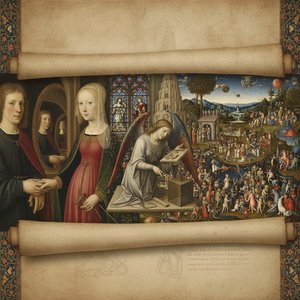
Step into the intricate world of the Northern Renaissance. Explore 10 legendary masterpieces, from Van Eyck to Dürer, and uncover the stories behind their timeless beauty. Find museum-quality art reproductions for exquisite home decor at WahooArt.com. Discover all masterpieces on WahooArt.com.
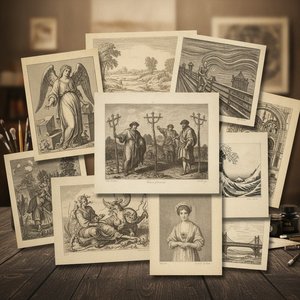
Journey through history with 10 legendary etchings that redefined art. From Rembrandt to Goya, explore the stories behind these timeless masterpieces and find museum-quality reproductions for your decor. Discover all masterpieces on WahooArt.com.

 Previzualizare
 Trimite
 Distribuie
 Detalii despre lucrare

 Descarcă
 Produse similare
 Radiografie
 Diapozitive automate
 Vezi mai mult







 Opțiunea cu sticlă este disponibilă doar pentru dimensiuni de sub 110 cm


