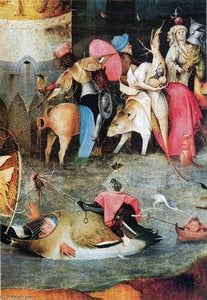
Printuri giclée sau pe canvas de calitate muzeală, cu proces de producție rapid și opțiuni flexibile de finisare. ( Comandă pictură realizată manual Comută pe Imagine Digitală)





























Alegeți dintre dimensiunile noastre prestabilite, care respectă proporțiile originale ale operei de artă.

Introduceți lățimea și înălțimea necesare pentru a se potrivi ramei sau peretelui dumneavoastră. O printare poate fi doar tăiată, niciodată extinsă dincolo de dimensiunea imaginii originale, astfel încât o dimensiune cu o formă diferită va pierde o parte din imagine. Vă trimitem o simulare digitală pentru aprobare înainte de a imprima orice. Imaginea afișată pe această pagină nu prezintă tăierea reală — doar simularea arată acest lucru.
Livrare în întreaga lume () în 2 săptămâni, în loc de cele 4/5 săptămâni standard. (13 Noiembrie)
Summer
Dimensiune reproducere
Abel Grimmer’s “Summer,” painted in 1607, isn't merely a depiction of a rural scene; it’s a meticulously crafted portal to the heart of early 17th-century Flanders. This oil on panel painting, currently residing within the Koninklijk Museum voor Schone Kunsten in Antwerp, offers a remarkably intimate glimpse into daily life – the rhythms of labor, the warmth of community, and the quiet beauty of the natural world. Grimmer’s genius lies not just in his technical skill but in his ability to imbue a commonplace subject with an undeniable sense of serenity and observation, hallmarks of the burgeoning Flemish Baroque style.
The composition unfolds with deliberate grace. A meandering river acts as a visual artery, guiding the eye through a landscape dotted with modest dwellings – barns, houses, and workshops – all rendered with a remarkable attention to detail. Figures are engaged in familiar tasks: tending gardens, harvesting crops, and preparing for the evening meal. There’s no grand drama or heroic narrative here; instead, Grimmer presents a tableau of everyday existence, capturing a moment suspended in time. The artist's choice of muted earth tones – ochres, browns, greens – creates a harmonious palette that perfectly complements the verdant landscape and evokes a feeling of rustic tranquility.
Grimmer’s mastery is evident in his skillful manipulation of oil paint. Notice the subtle gradations of light and shadow, creating a palpable sense of depth and volume. The artist employs a technique known as “sfumato,” blurring edges and softening forms to achieve an atmospheric effect that lends the scene a dreamlike quality. The texture of the fabrics, the rough bark of the trees, and the weathered surfaces of the buildings are all rendered with remarkable precision – a testament to Grimmer’s meticulous observation and painstaking brushwork. The composition itself is carefully balanced, drawing the eye through the scene in a natural and engaging manner.
Furthermore, the painting's small scale—measuring 33 x 47 cm—contributes significantly to its intimate feel. This format allows Grimmer to focus on capturing the essence of individual figures and details within the broader landscape, creating a sense of immediacy and connection with the viewer. The use of a panel as the support for the painting also adds to the work's tactile quality, inviting us to imagine the surface beneath our fingertips.
To fully appreciate “Summer,” it’s essential to understand the historical context in which it was created. Flanders during this period was a vibrant center of artistic and economic activity, particularly renowned for its textile industry. Abel Grimmer benefited from this thriving environment, establishing himself as a respected artist within the Antwerp guild system. His work reflects the prevailing trends of the Flemish Baroque – a style characterized by naturalism, realism, and an emphasis on detail. The painting’s subject matter—a depiction of rural life—was particularly popular during this era, reflecting a growing interest in portraying the everyday experiences of ordinary people.
Interestingly, Grimmer's artistic lineage is deeply intertwined with Pieter Bruegel the Elder, a master landscape painter whose influence can be seen in Grimmer’s use of simplified forms and his focus on depicting scenes of rural life. Grimmer’s father, Jacob Grimmer, was known for imitating Bruegel’s miniature landscapes, suggesting a familial connection to this influential artistic tradition. The painting's subject matter also echoes the themes explored by Bruegel in his own works, particularly his depictions of peasant life and seasonal changes.
Today, Abel Grimmer’s “Summer” stands as a testament to the enduring appeal of Flemish landscape painting. Reproductions available through platforms like WahooArt offer an opportunity to bring this captivating artwork into your home or office, allowing you to experience its beauty and tranquility firsthand. The meticulous detail and atmospheric quality of these reproductions capture the essence of Grimmer’s original masterpiece, providing a tangible connection to a bygone era. Consider how “Summer” can contribute a touch of rustic charm and timeless elegance to any space – a reminder of the simple pleasures of life and the enduring beauty of the natural world.
Formatul (Landscape) și spațiul recomandat (Living Room) sunt cele două detalii de amplasare înregistrate pentru "Summer" de Abel Grimmer.
În creația lui Abel Grimmer, „Summer” se înscrie în stilul Flemish Baroque, alături de temele bruegel influence, flemish tradition, religious allegory, moral lessons, social commentary, village life, seasonal cycles, time passing.
Culoarea operei "Summer" prezintă o Balanced Soft a saturației și o Balanced a intensității.


1570 - 1620 , Belgia

Explore the profound secrets of classical oil painting. From the delicate mastery of glazing to the dramatic depth of chiaroscuro, discover the timeless techniques used by Old Masters to create enduring, museum-quality masterpieces that capture light and emotion.

Embark on a visual journey through the Rijksmuseum's finest. From Rembrandt’s dramatic shadows to Vermeer’s luminous light, explore 25 iconic Dutch masterpieces and find museum-quality art reproductions for your decor. Discover all masterpieces on WahooArt.com.

Explore the mastery of sfumato and pastel techniques through art history's finest. Discover the secrets of atmospheric depth today.
 Previzualizare
 Trimite prin felicitare
 Distribuie
 Detalii despre lucrare
 Ghid
Ghid

 Descarcă imaginea
 Produse similare
 Radiografie
 Galerie foto
 Întrebări și răspunsuri
 Statistici


 Vezi mai mult









 Opțiunea cu sticlă este disponibilă doar pentru dimensiuni de sub 110 cm