


 Ink On Paper
 1696Early Modern
 18.0 x 51.0 cm
Impressão giclée ou em tela de qualidade de museu, com produção rápida e opções flexíveis de acabamento. ( Comprar pintura feita à mão Comprar imagem)
Escolha entre os nossos tamanhos pré-definidos que respeitam as proporções originais da obra de arte.

Você pode inserir suas próprias dimensões para se ajustar a uma moldura ou espaço específico. Se o tamanho selecionado não corresponder às proporções da imagem original, iremos recortar a obra de arte ou estender a imagem com uma borda espelhada ou preenchimento sólido. Um mockup digital será enviado para sua aprovação antes do início da produção.
Por favor, observe que a visualização na tela não reflete o recorte ou a extensão real. Apenas o mockup mostrará com precisão a composição final.
Embora tamanhos personalizados estejam disponíveis, recomendamos selecionar uma dimensão da lista predefinida para preservar as proporções originais.
Entrega mundial () em 2 semanas, em vez das 4/5 semanas padrão. (6 Setembro)


Letter
Tamanho da Reprodução
In the delicate dance of ink upon aged paper, we find a profound connection to the soul of seventeenth-century Japan. This exquisite Letter by the celebrated haiku poet Shiba Sonojo is far more than a mere piece of correspondence; it is a living relic of a spiritual and literary era. The artwork presents a mesmerizing display of calligraphy, where each stroke of the black ink breathes with the disciplined yet fluid grace of a woman trained in the sacred traditions of Shinto and Zen Buddhism. The paper itself, bathed in a warm, mellowed yellow hue, serves as a nostalgic canvas that evokes the passage of centuries, inviting the viewer to step back into the refined atmosphere of the Edo period.
The visual composition is a masterclass in balanced asymmetry. While the primary focus remains the rhythmic flow of the characters, the piece is elevated by breathtaking decorative elements that frame the text with natural splendor. At the upper periphery, two birds appear to hover, adding a sense of life and movement to the stillness of the page. These are complemented by delicate floral motifs—soft blossoms positioned near the center and right margins—that ground the calligraphy in the ephemeral beauty of the natural world. This integration of text and imagery creates a multidimensional experience, where the written word and the painted blossom exist in a state of perfect, poetic harmony.
To behold this work is to witness the intersection of personal intimacy and high artistry. As a disciple of the legendary Matsuo Bashō, Sonojo’s handwriting carries the weight of her profound spiritual lineage. The technique employed here—informal yet undeniably elegant—betrays a mastery of brushwork that reflects both her upbringing as a daughter of a Shinto priest and her later life as a scholar of Zen. For collectors and connoisseurs, the piece offers a rare glimpse into the "wabi-sabi" aesthetic, finding profound beauty in the imperfect, the aged, and the transient. The way the ink settles into the fibers of the paper suggests a moment of deep contemplation, captured forever in time.
For those looking to integrate such a piece into a curated interior, the Letter offers an unparalleled sense of tranquility and historical depth. Whether placed in a minimalist modern setting or a more traditional study, its soft palette of gold, black, and floral accents provides a sophisticated focal point that stimulates intellectual curiosity. It is not merely a decoration but a conversation starter—a window into a lost world of poetic pilgrimage, spiritual purity, and the quiet, enduring power of the written word.


1664 - 1726 , Japan
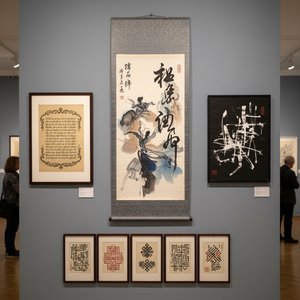
Explore the profound beauty of calligraphy art. From the fluid running script of Chinese masters to historical ink masterpieces, discover how the elegance of line transforms spaces with timeless grace and scholarly sophistication.
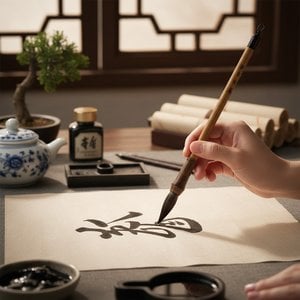
Embark on a profound journey through the soul of Chinese calligraphy. Explore the historical mastery of ink, brush, and script, from ancient Zhuanshu to elegant running script, and discover how this timeless art form reflects the enduring spirit of classical East Asian aesthetics.

Elevate your artistry with our expert guide to acrylic on paper. Master advanced techniques in texture, color theory, and layering to create professional-grade modern masterpieces. Perfect for art students seeking technical depth and creative excellence.

Explore the profound beauty of Japanese Ukiyo-e art. Discover the legacy of Hokusai and the Utagawa school through an expert exploration of Edo-period aesthetics, seasonal motifs, and the enduring global influence of Japan's 'Floating World' on fine art history.

Explore the profound beauty of Japanese landscape painting. From Hokusai's iconic vistas to Zen-inspired compositions, discover the spiritual depth and historical mastery of Ukiyo-e art in this expert cultural retrospective.

 Visualizar na parede
 Compartilhar
 Compartilhar
 Detalhes

 Baixar imagem
 Semelhantes
 Raio X
 Slideshow
 Ler mais




































 A opção de vidro está disponível apenas para tamanhos inferiores a 110 cm


