

Telas e impressões fine art a partir de €45 em 39 x 25 cm
Reprodução em óleo pintada à mão a partir de €182
A obra de arte exibida nesta página é protegida por leis de direitos autorais, o que significa que não podemos criar ou vender legalmente uma reprodução idêntica. Esta proteção é aplicada por meio de acordos internacionais, tais como a Convenção de Berna e pelas leis nacionais, incluindo as estabelecidas por Lei de Direitos Autorais dos EUA - Título 17.
Este método cumpre plenamente as regulamentações de direitos autorais, pois não envolve a cópia ou duplicação da obra protegida. Em vez disso, trata-se de uma reinterpretação criativa — uma nova pintura que é influenciada pela original, mas não idêntica a ela.
Impressão giclée ou em tela de qualidade de museu, com produção rápida e opções flexíveis de acabamento. ( Óleo Pintado à Mão Comprar imagem digital
)
A nossa opção económica: a mesma imagem impressa em tela de poliéster de 260 g/m² em vez de algodão, entregue em tubo pelo correio normal em 3 a 4 semanas. Apenas em formato de rolo (sem chassi, sem moldura) e sem produção urgente, para tamanhos com pelo menos um lado de 80 cm ou menos. Cerca de 30% mais barata do que a impressão em tela de algodão.
Não disponível para este tamanho: pelo menos um dos lados deve ter 80 cm ou menos.
Apenas em rolo: escolha a opção de tela em rolo para selecionar esta impressão.
Disponível para tamanhos com ambos os lados de 110 cm ou menos. Para tamanhos maiores, a impressão é feita em tela de algodão fosca.
A tela de algodão fosca de arquivo não está disponível para este tamanho: ambos os lados devem ter 110 cm ou menos. A sua impressão será feita em tela de algodão fosca.
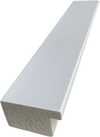
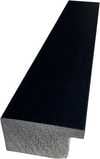
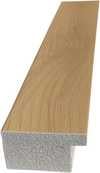
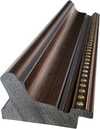
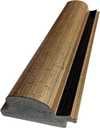
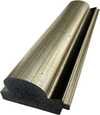
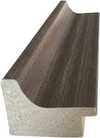
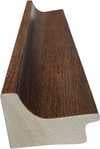
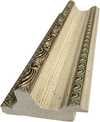
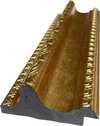
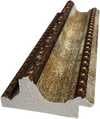
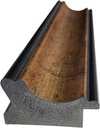
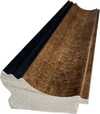
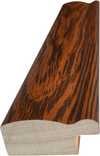
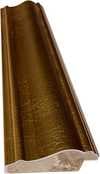

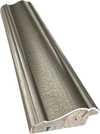
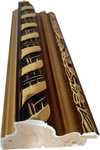

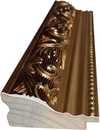
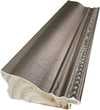
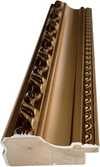

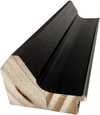
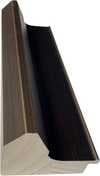
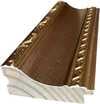
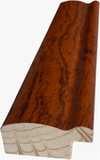
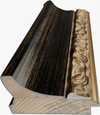
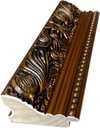
Escolha entre os nossos tamanhos pré-definidos que respeitam as proporções originais da obra de arte.

Insira a largura e a altura desejadas para se ajustarem à sua moldura ou parede. Uma impressão pode ser apenas cortada, nunca ampliada além da imagem original; portanto, um tamanho com proporções diferentes resultará na perda de parte da imagem. Enviamos uma maquete digital para sua aprovação antes de realizarmos a impressão. A imagem exibida nesta página não mostra o corte real — apenas a maquete o faz.
Entrega mundial () em 2 semanas, em vez das 4/5 semanas padrão. (27 Dezembro)
A produção urgente e o envio por estafeta expressa não estão disponíveis para a impressão em poly-canvas Economy, que é enviada por correio normal.
Oiseau
Tamanho da Reprodução
Envio para todo o mundo () via correio normal em 3 a 4 semanas. (27 Dezembro)
Max Ernst’s “Oiseau (Bird)” – often referred to as “L'Oiseau Mère” or "The Mother Bird" – is not merely a depiction of avian form; it’s an immersion into the subconscious, a distilled fragment of the artist’s intensely personal and profoundly unsettling vision. Painted in 1951, during a period of considerable artistic evolution for Ernst, this work exemplifies his masterful manipulation of technique—particularly his innovative use of *grattage* – to create textures that vibrate with hidden meaning. The painting immediately draws the eye with its stark contrast: a pale beige, almost parchment-like background punctuated by the assertive red outline of the bird itself. This deliberate simplicity belies a complex layering of symbolism and psychological exploration.
Ernst’s approach to composition is strikingly unconventional. The bird, rendered in bold, uneven lines, occupies a central position within the frame, yet its incompleteness—the gaping “hole” where its belly should be—is profoundly unsettling. This deliberate absence isn't simply a technical oversight; it speaks volumes about themes of vulnerability, loss, and perhaps even the fragmented nature of selfhood – ideas that were central to Ernst’s broader artistic concerns during this period. The bird’s head, a simplified circle with a single blue eye, possesses an almost childlike quality, further amplifying its sense of innocence juxtaposed against the unsettling void within its form.
To fully appreciate “Oiseau,” one must understand Ernst’s groundbreaking technique of *grattage*. Developed in 1925, this method involved applying paint to a canvas and then vigorously scraping it away with a palette knife or other tool. This process created a textured surface—a map of the underlying materials—that was then layered with subsequent paint applications. In “Oiseau,” the *grattage* technique is particularly evident in the mottled background, which resembles aged paper or fabric – a deliberate choice that evokes a sense of history and decay. The rough edges of the bird’s outline further contribute to this tactile effect, inviting the viewer to engage with the painting on a sensory level.
The use of red as the dominant color is also significant. Red, in Ernst's work, often represents passion, danger, and even death – potent symbols that resonate throughout his oeuvre. Here, it serves to highlight the bird’s vulnerability and its precarious existence within the stark landscape. The limited palette—primarily beige, red, and blue—reinforces this sense of austerity and emotional restraint.
“Oiseau” firmly situates itself within the broader context of Surrealist art, a movement that sought to unlock the creative potential of the unconscious mind. Ernst was a key figure in the development of Surrealism, alongside artists like Salvador Dalí and René Magritte. His work frequently explored themes of dreams, mythology, and psychological trauma – subjects often considered taboo during the early 20th century. The bird itself is laden with symbolic weight; birds have long been associated with freedom, spirituality, and transformation in art and literature.
Interestingly, Ernst’s fascination with birds extended beyond mere aesthetic interest. He developed an alter ego, “Loplop, the Bird Superior,” a recurring figure in his writings and artwork, embodying qualities of wisdom, cunning, and even danger. This personal mythology informs our understanding of "Oiseau," suggesting that the bird is not simply a representation of nature but also a projection of Ernst’s own complex psyche.
“Oiseau” remains a powerfully evocative work, inviting multiple interpretations. It can be seen as a meditation on loss and incompleteness, a poignant reflection on the fragility of life, or even a symbolic representation of the artist’s own struggles with identity and self-doubt. Regardless of one's interpretation, the painting’s enduring appeal lies in its ability to tap into fundamental human emotions—a sense of vulnerability, longing, and perhaps even a touch of melancholy. It stands as a testament to Ernst’s genius – his capacity to transform simple materials into profound expressions of the inner world.
Impressão: Oiseau é reproduzida como uma impressão giclée em tela de algodão ou em papel canvas de arquivo Epson.
Os tamanhos variam de 39.3 x 25.4 cm (€45) a 246.5 x 159.4 cm (€335); a tabela nesta página lista as principais opções e seus respectivos preços.
Impressões em tubo são enviadas gratuitamente via correio regular com prazo de 3 a 4 semanas; impressões esticadas ou emolduradas levam de 4 a 5 semanas. A entrega por transportadora expressa está disponível apenas mediante a contratação da opção de Entrega Expressa nesta página. Você pode devolvê-las em até 100 dias para um reembolso total, sem qualquer condição.
Acrylic On Canvas

Born in Brühl, Germany, amidst profound global upheaval, Ernst’s artistry was forged in the fires of Dadaist rebellion and Surrealist truth.

Born in the coastal air of Ostend in 1860, Ensor used carnival masks and the grotesque to unmask the human condition through a fever dream of color.

A signed urinal titled Fountain was submitted by Marcel Duchamp in 1917. See how this provocation sparked a revolt against logic and art.

 Visualizar na parede

 Compartilhar
 Compartilhar
 Detalhes
 Ficha técnica


 Baixar imagem
 Semelhantes
 Raio X
 Ver diaporama
 Perguntas e Respostas

 Estatísticas


 Descrição completa de Oiseau



 A opção de vidro está disponível apenas para tamanhos inferiores a 110 cm


