Visualizar na paredeVisualizar na parede Ver em RAVer em RA Comprar pintura feita à mão Comprar pintura feita à mãoSwitch to Digital Image Switch to Digital Image CompartilharCompartilhar
DetalhesDetalhes Adicionar aos favoritos Adicionar aos favoritos Baixar imagemBaixar imagem SemelhantesSemelhantes Raio XRaio X SlideshowSlideshow StatsStats

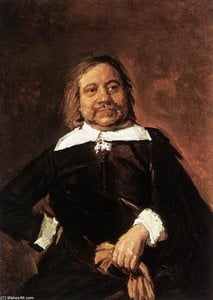
Anetta Hanemans

Admire 'Anetta Hanemans' by Frans Hals I – a stunning Dutch Golden Age portrait showcasing masterful chiaroscuro & intricate detail. Explore 1625 beauty!

Frans Hals I: Mestre holandês da pintura barroca e retrato espontâneo, famoso por obras como "O Cavalheiro Rindo" e cenas cotidianas que capturam a alma da época dourada! #FransHals #ArteHolandesa

Giclée / Impressão de Arte

Impressão giclée ou em tela de qualidade de museu, com produção rápida e opções flexíveis de acabamento. (Comprar pintura feita à mão Comprar pintura feita à mãoSwitch to Digital Image Switch to Digital Image)

P118B $10
P118H $10
P118W $10
P438Z $10
P508JH $12
P508YH $12
P805H $10
P805Z $10
P919BZ $10
P919G $10
P919XJ $10
P959ZH $10
P968JZ $12
W106C $8
W218G $10
W218JH $8
W218Y $10
W307PJ $10
W316G $10
W316PJ $8
W316Y $10
W398PJ $8
W4111J $10
W500HY $15
W500JH $15
W692G $12
W849H $8
W940BG $15
W953PJ $8

Tamanho padrão
personalizado
CM
INCH

Escolha entre os nossos tamanhos pré-definidos que respeitam as proporções originais da obra de arte.

largura
altura

Você pode inserir suas próprias dimensões para se ajustar a uma moldura ou espaço específico. Se o tamanho selecionado não corresponder às proporções da imagem original, iremos recortar a obra de arte ou estender a imagem com uma borda espelhada ou preenchimento sólido. Um mockup digital será enviado para sua aprovação antes do início da produção.
Por favor, observe que a visualização na tela não reflete o recorte ou a extensão real. Apenas o mockup mostrará com precisão a composição final.
Embora tamanhos personalizados estejam disponíveis, recomendamos selecionar uma dimensão da lista predefinida para preservar as proporções originais.

Entrega mundial () em 2 semanas, em vez das 4/5 semanas padrão. (8 Setembro)

why_choose_icon
Envio expresso gratuito para todo o mundo
why_choose_icon
Tela de Linho de Alta Qualidade
why_choose_icon
Seguro de transporte completo
why_choose_icon
Garantia de Reembolso de Impostos Alfandegários
why_choose_icon
Garantia de Fidelidade Cromática
why_choose_icon
Política de Devolução de 100 Dias (Apenas Defeitos)
why_choose_icon
Garantia de reembolso de 100%
why_choose_icon
Oferta de desconto por quantidade

Preço Total

$ 68

reproduction

Anetta Hanemans

Giclée / Impressão de Arte

Tamanho da Reprodução

-

Preço Total

$ 68

Anetta Hanemans: A Window Into Dutch Golden Age Dignity

The portrait of Anetta Hanemans by Frans Hals I stands as a testament to the artistic brilliance of the Dutch Golden Age, capturing not merely likeness but an essence of character and social standing. Executed in 1625, this oil painting exemplifies Hals’s signature style—a revolutionary departure from meticulous detail favored by many contemporaries—characterized instead by loose brushstrokes that imbue the canvas with palpable immediacy and emotion.

Style & Technique: Embracing Spontaneity

Hals's approach defied convention, prioritizing observation and capturing fleeting expressions over laborious rendering. Unlike artists obsessed with achieving photographic accuracy, Hals employed a technique known as “impasto,” applying thick layers of paint to create textured surfaces that shimmer with light and shadow. This method wasn’t merely stylistic; it was integral to conveying the sitter's personality—the subtle nuances of emotion etched onto Anetta Hanemans’ face are rendered with breathtaking realism thanks to Hals’s masterful manipulation of pigment and brushwork. The artist skillfully utilized chiaroscuro, dramatically contrasting areas of light and dark, to sculpt the figure and heighten its visual impact.

Historical Context: Portraiture as Status Symbol

The portrait emerged during a period of unprecedented artistic flourishing in Holland—the Dutch Golden Age (approximately 1600-1700)—fueled by economic prosperity and intellectual curiosity. Portraits served as crucial instruments for demonstrating wealth, lineage, and social prestige. The Hanemans family’s opulent attire – a black bodice adorned with intricate gold embroidery, a white ruff collar, and a scarlet skirt—underscores this symbolic significance. Hals's depiction aligns perfectly with the prevailing artistic sensibilities of the era, reflecting an idealization of virtue and nobility.

Symbolism: Beyond Appearance

Beyond its formal composition and luxurious embellishments, Anetta Hanemans’ portrait carries deeper layers of symbolism. Notably, the rooster hanging prominently on the wall—a motif frequently found in Dutch portraits of this period—represents family heritage and lineage. It speaks to a broader cultural preoccupation with honor and tradition, reinforcing the sitter's position within the social hierarchy. The artist’s careful attention to detail extends beyond mere representation; he strives to convey an inner life, capturing Anetta Hanemans’ serene gaze and dignified posture as emblems of grace and composure.

Emotional Impact: Timeless Elegance

Ultimately, Frans Hals I’s Anetta Hanemans transcends the boundaries of time, resonating with viewers centuries later. The painting's luminous palette, combined with Hals’s expressive brushwork, evokes a sense of quiet contemplation and conveys an enduring appreciation for beauty and refinement. It remains a captivating example of Baroque portraiture—a genre that prioritized psychological insight alongside visual splendor—solidifying Hals’s legacy as one of the most influential painters of his era. This artwork embodies the spirit of Dutch Golden Age artistry: dignified elegance, timeless grace, and an unwavering commitment to capturing the human spirit at its finest.

Biografia do Artista

Frans Hals I: A Life in Paint

Frans Hals I was a Dutch painter born in Antwerp, Belgium, around 1580. Though his early life remains somewhat shrouded in mystery, he rose to become one of the most important figures of the Dutch Golden Age, celebrated for his innovative portraiture and genre scenes. His artistic legacy continues to inspire artists and captivate audiences centuries later.

Early Life and Training

Details surrounding Hals’s formative years are scarce. It is believed he received initial artistic training in Antwerp, a prominent center for painting at the time. However, due to religious and political turmoil, his family relocated to Haarlem in the Netherlands. He became a member of the Haarlem Guild of St. Luke in 1610, marking the formal beginning of his professional career—a pivotal moment that secured him access to influential patrons and established him as a respected artist within the artistic community.

Artistic Style and Development

Hals distinguished himself through a remarkably fresh and spontaneous style. Unlike many of his contemporaries who favored meticulous detail, Hals employed a loose and expressive brushstroke. This technique imbued his paintings with a sense of immediacy and vitality, capturing the personality and character of his subjects in a way that was revolutionary for its time. He wasn’t merely attempting to reproduce appearances; he sought to convey emotion and psychological insight—a characteristic that distinguishes him from many other painters of his era. His masterful use of light and shadow added depth and drama to his compositions, creating scenes brimming with atmosphere and capturing fleeting moments of human interaction.

Notable Works

While Hals produced a wide range of works, he is best known for his portraits. Some of his most celebrated paintings include:
  • The Laughing Cavalier (1624) – This iconic portrait exemplifies Hals’s ability to capture character and movement with breathtaking realism. The subject's joyous expression—a subtle smirk—is rendered with remarkable precision, conveying a sense of confidence and amusement that transcends time.
  • Malle Babbe (c. 1633-1635) – Hals’s depiction of an elderly woman is equally striking. He skillfully portrays age and vulnerability while simultaneously capturing the subject's inner life—a testament to his profound understanding of human psychology.
  • Portraits of the Regents of the Old Men’s Home in Haarlem (1664) - Demonstrating Hals’ mastery of group portraiture, these canvases showcase a remarkable feat of artistic skill. He captured the dignity and solemnity of the elderly residents with sensitivity and nuance, creating images that resonate with compassion and respect.

Beyond portraits, Hals created compelling genre scenes—depictions of everyday life—that offered glimpses into Dutch society during his lifetime. These works reveal a keen observation of human behavior and an ability to convey atmosphere and emotion with remarkable effectiveness.

Influences and Legacy

Determining Hals’s direct influences is challenging, as he developed a highly individual style. However, it's likely he was aware of the work of earlier Flemish painters like Pieter Bruegel the Elder—particularly his depictions of peasant life—who championed a naturalistic approach to art. His innovative technique profoundly impacted subsequent generations of artists. He influenced figures such as Adriaen Brouwer and Johannes Vermeer, who adopted Hals’s looser brushwork and focus on capturing light and atmosphere. Furthermore, Hals's legacy extends beyond the immediate artistic circle; his emphasis on portraying personality paved the way for more intimate and psychological portraits in later centuries—a testament to his enduring influence on Western art history.

Today, Hals’s paintings are housed in major museums worldwide, including the Frans Hals Museum in Haarlem, which holds the largest collection of his work—a remarkable achievement that ensures his artistic vision continues to inspire admiration and scholarly study.

Frans Hals

Frans Hals

1580 - 1585 , Bélgica

Dados Rápidos

  • Artistic Movement Or Style: Século de Ouro Holandês
  • Artists Or Movements Influenced By This Artist:
    • Adriaen Brouwer
    • Johannes Vermeer
  • Artists Who Influenced This Artist: ['Pieter Bruegel o Velho']
  • Date Of Birth: c. 1582
  • Date Of Death: 1666
  • Full Name: Frans Hals I
  • Nationality: Holandês
  • Notable Artworks:
    • O Cavalheiro Rindo
    • Malle Babbe
    • Retratos dos Regentes do Lar Idoso
  • Place Of Birth: Antwerp, Belgium
Explore obras de arte organizadas por temas, estilos e características.