

Płótna i wydruki artystyczne od zł200 w formacie 25 x 40 cm
Ręcznie malowana reprodukcja olejowa od zł813
Wydruki giclée lub płótna o jakości muzealnej, szybka realizacja i szeroki wybór opcji wykończenia. ( Obraz olejny ręcznie malowany Kup obraz cyfrowy
)
Nasza opcja budżetowa: ten sam obraz wydrukowany na płótnie poliestrowym 260 g/m² zamiast bawełnianego, dostarczany w tubie przesyłką pocztową w ciągu 3 do 4 tygodni. Tylko w formie rulonu (bez krosien, bez ram) i bez ekspresowej produkcji, dla formatów, których przynajmniej jeden bok ma 80 cm lub mniej. Około 30% taniej niż wydruk na płótnie bawełnianym.
Nieosiągalne dla tego rozmiaru: przynajmniej jeden bok musi mieć 80 cm lub mniej.
Tylko w tubie: aby wybrać ten wydruk, wybierz opcję płótna zwiniętego w tubę.
Dostępne dla formatów, których oba boki mają maksymalnie 110 cm. W przypadku większych rozmiarów wydruk jest wykonywany na matowym płótnie bawełnianym.
Matowe płótno archiwalne nie jest dostępne w tym rozmiarze: każdy z boków musi mieć maksymalnie 110 cm. Twój wydruk zostanie wykonany na matowym płótnie bawełnianym.
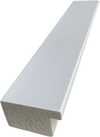
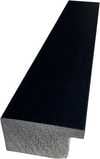
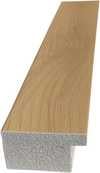
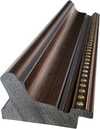
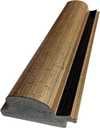
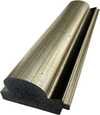
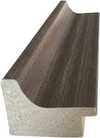
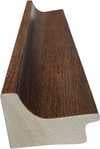
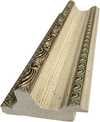

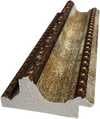
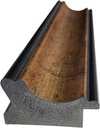
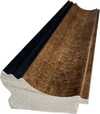
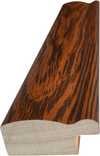

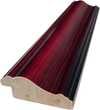
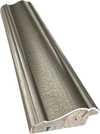
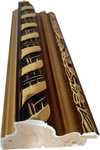

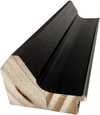
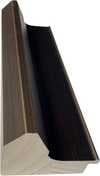
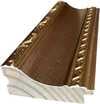
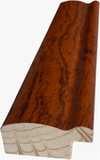
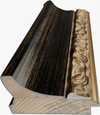
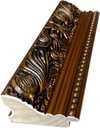
Wybierz spośród naszych standardowych rozmiarów, które zachowują oryginalne proporcje dzieła sztuki.

Wpisz wymaganą szerokość i wysokość, aby dopasować grafikę do ramy lub ściany. Wydruk można jedynie przyciąć, nigdy nie powiększając go poza oryginalny obraz, dlatego format o innych proporcjach spowoduje utratę części kompozycji. Przed rozpoczęciem druku prześlemy Ci cyfrowy podgląd do zatwierdzenia. Obraz wyświetlany na tej stronie nie pokazuje rzeczywistego przycięcia — jedynie podgląd oddaje ten efekt.
Dostawa na cały świat () w ciągu 2 tygodni zamiast standardowych 4/5 tygodni. (26 Grudzień)
Przy wydruku na płótnie poliestrowym typu Economy niedostępna jest opcja pilnej produkcji ani przesyłki kurierskiej, ponieważ produkt wysyłany jest pocztą zwykłą.
Venice
Wymiary reprodukcji
Dostawa na cały świat () przesyłką pocztową w ciągu 3 do 4 tygodni. (26 Grudzień)
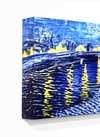
In the painting Venice by William Wyld, the artist presents a cityscape centered on the waterways and architectural structures of the Italian city. The scene focuses on a canal where various boats are moored, including vessels with sails and smaller gondolas or motorboats. These boats occupy the foreground, positioned along the edge of the waterway. The architecture lining the canal consists of brick buildings featuring arched windows and balconies with wrought iron railings. The facades of these structures display a range of colors, including shades of red, orange, yellow, blue, and green.
The composition includes several prominent landmarks in the background, specifically the Campanile di San Marco, the Basilica di San Marco, and the Palazzo Ducale. These structures rise above the skyline, providing a sense of scale to the urban environment. Above the buildings, the sky contains white clouds against a blue background. The light source originates from the left side of the frame, casting shadows onto the buildings and the boats in the water.
People are present within the scene, contributing to the depiction of canal life. The interaction between the architecture, the various boats, and the figures creates a detailed view of the Venetian urban landscape. The painting captures the specific arrangement of the buildings and the movement of the water within the canal system.
The composition is organized around a central waterway where several boats are moored in the foreground. These vessels vary in design and scale; some feature tall sails, while others take the form of gondolas or motorboats. The water reflects the structures and sky above, creating a sense of depth within the canal. The buildings lining the edge of the waterway are constructed primarily from brick. Their facades display a range of colors, including warm reds, oranges, and yellows, alongside cooler tones of blue and green. Many of these structures include arched windows and balconies fitted with wrought iron railings.
In the background, the skyline is defined by several prominent architectural landmarks. The Campanile di San Marco, the Basilica di San Marco, and the Palazzo Ducale are visible against the horizon. Above these structures, the sky is a clear blue, containing several white clouds that provide a sense of scale and atmosphere. Light enters the scene from the left side, casting soft shadows across the building facades and the moored boats.
The painting is executed in an impressionist style, utilizing loose brushstrokes to define the forms of the Venetian architecture and the movement of the water. These strokes prioritize the immediate impression of light and atmosphere over rigid, sharp outlines. The application of paint creates a textured surface that captures the play of light across the canal. Reflections of the buildings and boats appear on the water's surface, mirroring the colors of the facades and the sky.
The color palette relies on warm hues, including shades of red, orange, and yellow on the brickwork of the buildings. These tones contrast with the cooler blues and greens found in the shadows and the water. The artist uses light to establish a sense of depth and direction, with the primary light source originating from the left side of the composition. This placement casts soft shadows across the boats and the architectural details of the buildings lining the waterway.
Through the deliberate use of color and light, the composition maintains a sense of movement. The interplay between the bright sky, the colored facades, and the reflected light on the canal creates a dynamic visual arrangement. The sky contains white, fluffy clouds that add a sense of volume to the upper portion of the scene. This technical approach focuses on the atmospheric qualities of the Venetian landscape.
Wydruk: Venice jest reprodukowany jako wydruk giclée na płótnie bawełnianym lub na archiwalnym papierze artystycznym marki Epson.
Dostępne rozmiary obejmują zakres od 25.1 x 39.9 cm (zł200) do 157.2 x 249.9 cm (zł1499); tabela na tej stronie przedstawia główne warianty oraz ich ceny.
Wydruk zwinięty w tubie jest wysyłany bezpłatnie pocztą zwykłą i dociera w ciągu 3–4 tygodni; wydruk na płótnie lub w ramie wymaga 4–5 tygodni. Dostawa kurierem ekspresowym jest dostępna wyłącznie przy wykupieniu płatnej opcji Express Delivery. Możesz dokonać zwrotu w ciągu 100 dni z pełnym zwrotem kosztów, bez żadnych dodatkowych warunków.
Watercolor

Canaletto transitioned from designing theatrical backdrops to rendering the light-drenched reality of Venice. How did stagecraft shape his art?

25 works by Canaletto including the 1730 Grand Canal and the Church of the Salute and the 1730 Piazza San Marco with the Basilica.

Vermeer’s 1656 The Procuress and Friedrich’s 1819 Two Men Contemplating the Moon are among 25 works from the Gemäldegalerie Dresden collection.

 Podgląd w skali 1:1

 Wyślij jako kartkę
 Udostępnij
 Szczegóły dzieła
 Karta informacyjna


 Pobierz obraz
 Podobne obiekty
 RTG
 Pokaz slajdów
 Pytania i odpowiedzi

 Statystyki


 Pełny opis dzieła Venice

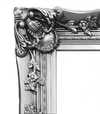
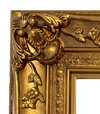
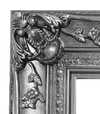


 Opcja ze szkłem jest dostępna wyłącznie w rozmiarach poniżej 110 cm


