Podgląd w skaliPodgląd w skali Podgląd ARPodgląd AR Przełącz na wydruki Przełącz na wydrukiZamów ręcznie malowaną reprodukcję Zamów ręcznie malowaną reprodukcję Wyślij jako kartkęWyślij jako kartkę
Szczegóły dziełaSzczegóły dzieła Dodaj do ulubionych Dodaj do ulubionych PobierzPobierz Podobne obiektyPodobne obiekty RTGRTG Pokaz slajdówPokaz slajdów StatystykiStatystyki

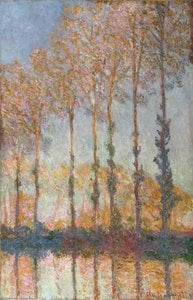
Trees

Discover 'Trees' by Sir William Gillies, a captivating depiction of a Scottish forest landscape. Explore the artist's journey from Cubism to serene landscapes at WahooArt.

W.G. Gillies – szkocki malarz znany z pięknych krajobrazów i nastrojowych still life'ów. Jego twórczość inspirowana kubizmem, wpływem Paul Klee i tradycjami szkockiego malarstwa. Odkryj jego unikalny styl i bogate dziedzictwo!

Kup wysokiej rozdzielczości, ulepszony obraz cyfrowy o znacznie wyższej jakości niż podgląd online.

Każdy plik jest starannie przygotowywany przez naszych specjalistów przy użyciu zaawansowanych narzędzi oraz profesjonalnej, ręcznej retuszy. Dbamy o to, aby każdy obraz cechował się wyjątkową ostrością, precyzyjnym odwzorowaniem kolorów i subtelnymi detalami.

Ostateczny plik dostarczany jest drogą mailową w ciągu 72 godzin, zoptymalizowany do natychmiastowego wykorzystania w profesjonalnych zastosowaniach redakcyjnych i poligraficznych. To ta sama jakość, której ufają czołowe studia projektowe, wydawnictwa oraz galerie sztuki.

Obraz cyfrowy

Pobierz plik o wysokiej rozdzielczości do osobistego wyświetlania, druku oraz projektów kreatywnych. (Przełącz na wydruki Przełącz na wydrukiZamów ręcznie malowaną reprodukcję Zamów ręcznie malowaną reprodukcję)

Suma do zapłaty

$ 24,90

W każdym zamówieniu na obraz cyfrowy znajduje się

Profesjonalna dostawa cyfrowa z gwarancją

Wybierając WahooArt.com, nie otrzymujesz jedynie obrazu – otrzymujesz profesjonalnie udoskonalone cyfrowe dzieło sztuki, stworzone z najwyższą precyzją i objęte gwarancją satysfakcji. Oto wszystko, co automatycznie dołączane jest do Twojego zamówienia:

shipping_icon
Błyskawiczna wysyłka e-mailowa

Plik z obrazem cyfrowym w wysokiej rozdzielczości zostanie przesłany na Twój adres e-mail w ciągu 72 godzin od złożenia zamówienia – gotowy do natychmiastowego użycia.

canvas_icon
Plik cyfrowy wzbogacony przez AI

Twoja grafika została profesjonalnie zoptymalizowana przy użyciu zaawansowanych narzędzi AI oraz ręcznej edycji, co zapewnia maksymalną szczegółowość, klarowność i wierność kolorów.

insurance_icon
Dożywotnia darmowa ponowna dostawa

Przypadkowo usunąłeś lub zgubiłeś swój plik? Bez obaw – prześlemy go Tobie ponownie w dowolnym momencie, bez żadnych opłat.

tax_icon
Bez opłat importowych – zawsze

Ciesz się swoją sztuką natychmiast, bez żadnych opłat celnych, należności ani kosztów dostawy – pliki cyfrowe są zawsze wolne od podatku.

color_icon
Gwarancja wierności kolorów

Dzięki zastosowaniu profesjonalnych narzędzi i procesów zarządzania barwą zapewniamy, że Twoje cyfrowe zdjęcie odzwierciedla oryginalne kolory tak wiernie, jak to tylko możliwe.

return_icon
100-dniowa gwarancja satysfakcji

Jeśli nie będziesz zadowolony ze swojego cyfrowego obrazu, poprawimy go lub zwrócimy 100% kosztów w ciągu 100 dni – bez zbędnych pytań.

guarantee_icon
100% Gwarancja zwrotu pieniędzy

Nie jesteś zadowolony? Otrzymaj pełny zwrot kosztów w ciągu 100 dni od otrzymania pliku cyfrowego – bez zbędnych pytań.

discount_icon
Rabaty przy zamówieniach hurtowych

Kup 3 obrazy, oszczędź 10% - Kup 5, oszczędź 15% - Kup 10+, oszczędź 20%. Idealne do projektów kreatywnych, galerii i agencji.

Szybki podgląd

  • Medium: Oil on canvas (assumed)
  • Dimensions: 37 x 53 cm
  • Notable elements or techniques: Depth and dimension
  • Influences:
    • Cézanne
    • Paul Klee
    • Braque
    • Picasso
  • Title: Trees
  • Subject or theme: Forest landscape

A Glimpse into the Scottish Forest: Sir William Gillies' "Trees"

Sir William George Gillies’ “Trees,” a captivating oil painting measuring 37 x 53 cm, offers a serene and evocative glimpse into the heart of a Scottish forest. While the precise date of its creation remains unknown, the work embodies Gillies’ distinctive style—a synthesis of Cubist influences tempered by a profound appreciation for the natural world and a developing embrace of color inspired by Paul Klee. This piece isn't merely a depiction of trees; it is an exploration of light, form, and the quiet majesty of nature, rendered with a sensitivity that speaks to the soul.

The Artist’s Journey: From Cubism to Colour

To truly appreciate "Trees," one must understand Gillies' artistic evolution. Born in Haddington, East Lothian in 1898, his early training at Edinburgh College of Art was interrupted by service in World War I. Upon returning, he immersed himself in the burgeoning art scene, studying under André Lhote in Paris and traveling through Italy—experiences that introduced him to the principles of Cubism. Early works reflect this influence, characterized by fragmented forms and a restrained palette reminiscent of Braque and Picasso. However, Gillies’ artistic trajectory took a significant turn after encountering the work of Paul Klee. This encounter sparked a shift towards a more imaginative use of color and a willingness to embrace simplified, almost childlike forms—a sensibility beautifully evident in "Trees." His later works, including “Trees and Reflections” (1930) and “Trees in Leaf” (1934), further demonstrate this evolution.

A Composition of Light and Shadow

In "Trees," Gillies masterfully captures the interplay of light and shadow within a dense forest setting. At least twelve trees are visible, each distinct in size and shape, contributing to a sense of depth and dimension. The artist doesn't strive for photographic realism; instead, he uses broad brushstrokes and subtle variations in color to suggest the texture of bark, the rustling of leaves, and the dappled sunlight filtering through the canopy. The backdrop of blue sky provides a striking contrast, emphasizing the verticality of the trees and creating a sense of vastness. The composition isn't rigidly structured; rather, it feels organic and natural, inviting the viewer to wander into the scene and experience the tranquility of the forest firsthand. It’s a testament to Gillies’ skill that he can convey such a profound sense of atmosphere with relatively simple forms.

Symbolism and Emotional Resonance

While seemingly straightforward in its subject matter, "Trees" carries deeper symbolic weight. Trees have long been associated with strength, resilience, and connection to the earth—themes particularly resonant within Scottish culture. Gillies’ depiction evokes a sense of peace and contemplation, inviting viewers to reflect on their own relationship with nature. The painting's quiet beauty is both calming and inspiring, offering a respite from the complexities of modern life. It speaks to a longing for simplicity, authenticity, and a deeper connection to the natural world—emotions that continue to resonate strongly today. The work’s enduring appeal lies in its ability to evoke a sense of nostalgia and wonder, transporting viewers to a place of quiet beauty and timeless serenity.


Biografia artysty

Early Life and Education

Sir William George Gillies, a name synonymous with the evocative beauty of Scottish landscapes and still lifes, was born in Haddington, East Lothian, on September 21st, 1898. His early life unfolded amidst the rolling hills and historic charm of his native region – an environment that would profoundly shape his artistic vision. Initially enrolled at the Edinburgh College of Art, Gillies’ academic pursuits were tragically interrupted by the exigencies of World War I. He bravely enlisted with the Royal Engineers, serving with distinction during a period of immense national upheaval. Following the war's conclusion, he returned to complete his education at the same institution, ultimately graduating and dedicating over four decades to nurturing young artists as a teacher. This commitment to education wasn’t merely a profession; it was a deeply held belief in the transformative power of art and its ability to connect individuals with their surroundings.

Artistic Development and Influences

Gillies' artistic journey began with an initial exploration of Cubism, a movement that had captivated European artists in the early 20th century. His studies under André Lhote in Paris (1923) provided him with invaluable insight into the principles of this revolutionary style – its fragmented forms and geometric arrangements. A subsequent trip to Italy in 1924 further broadened his artistic horizons, exposing him to the classical traditions that had informed so much of Western art. Early works like “Two Pots, Saucer and Fruit” (1933) demonstrate this early influence, showcasing a Cézanne-inspired composition characterized by carefully arranged objects and a muted color palette reminiscent of Braque and Picasso. However, a pivotal moment arrived in 1934 when Gillies encountered the work of Paul Klee. The whimsical use of colour, the childlike quality of his forms, and the imaginative narratives embedded within Klee’s paintings profoundly impacted Gillies' approach to art. He began to incorporate these elements into his own compositions, gradually moving away from strict Cubist dogma and developing a distinctive style rooted in Scottish landscape and still life traditions.

The 1922 Group and Collaborative Spirit

In 1922, a year marked by significant artistic ferment in Scotland, Gillies played a crucial role in establishing the “1922 Group.” Alongside fellow artists such as William Crozier, William Geissler, and William MacTaggart, he envisioned an exhibition society dedicated to providing a platform for emerging Scottish talent. The New Gallery in Edinburgh became the focal point of this collective endeavor for a decade, fostering a vibrant community of artists who shared a passion for innovation and experimentation. The 1922 Group wasn’t simply a means of showcasing art; it was a crucible where ideas were exchanged, techniques were refined, and a sense of camaraderie flourished – a vital ingredient in the development of Scottish modernism. It represented a conscious effort to elevate the profile of young artists within their country.

Themes and Subject Matter

Gillies’ artistic focus primarily revolved around two distinct yet interconnected themes: landscapes and still lifes. He possessed an extraordinary ability to capture the essence of the Lothian, Fife, and Border regions of Scotland – translating the rugged beauty of these areas onto canvas with a remarkable sensitivity. His paintings weren't merely depictions of scenery; they were imbued with a profound understanding of light, atmosphere, and the subtle nuances of color. Equally significant was his exploration of still life compositions. These works often featured ceramics created by his younger sister, Emma Smith Gillies, whose untimely death in 1936 cast a long shadow over his artistic life. The poignant beauty of these objects served as a powerful reminder of loss and grief, imbuing the paintings with an undercurrent of melancholy and introspection. While he experimented with portraiture early in his career, landscapes and still lifes ultimately became the cornerstones of his artistic legacy.

Major Achievements and Recognition

Throughout his illustrious career, Sir William George Gillies achieved numerous accolades that recognized his exceptional talent and unwavering dedication to art. He was elected an Associate of the Royal Scottish Academy (ARSA) in 1940, a significant step towards establishing his place within the established artistic community. In 1947, he received full membership into the Royal Scottish Academy (RSA), solidifying his position as one of Scotland’s leading artists. In 1957, he was awarded the Commander of the Order of the British Empire (CBE) for his contributions to art in Scotland, and later, in 1964, he became an Associate of the Royal Academy (RA). The highest honor bestowed upon him – knighthood – arrived in 1970. His legacy extended beyond his artistic achievements; he served as Principal of the Edinburgh College of Art from 1961 to 1966, guiding a new generation of artists and shaping the future direction of art education in Scotland. Gillies’ prolific output—estimated at over 2,000 works—testifies to his unwavering commitment to his craft. His paintings are now found in prestigious collections across Scotland and internationally, including those of Aberdeen, Dundee, Edinburgh, Glasgow, the Scottish Arts Council, the National Galleries of Scotland (Tate London, Ottawa, Peru), demonstrating a lasting impact on the art world.

William George Gillies

William George Gillies

1898 - 1973 , Wielka Brytania

Krótka nota

  • Artistic Movement Or Style: Kubizm, Malarstwo Szkockie
  • Artists Or Movements Influenced By This Artist: ['Malarstwo Szkockie']
  • Artists Who Influenced This Artist:
    • André Lhote
    • Cézanne
    • Braque
    • Picasso
    • Paul Klee
  • Date Of Birth: 1898
  • Date Of Death: 1973
  • Full Name: Sir William George Gillies
  • Nationality: Skoćy
  • Notable Artworks:
    • Young Boy with a Teapot
    • Krajobraz Śródziemnomorski z Pochmurnym Niebem
    • Kompozycja – Żółty Misa i Przegrodzony Tkanina
  • Place Of Birth: Haddington, Wielka Brytania