Zobacz w skali 1:1 Zobacz w AR Przełącz na wersję drukowaną Przełącz na wersję cyfrową Wyślij
Szczegóły Guide Dodaj do ulubionych Pobierz plik obrazu Podobne obiekty RTG Pokaz slajdów Statystyki

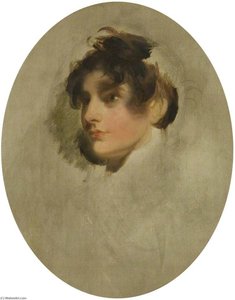
Samuel Woodburn

Sir Thomas Lawrence’s ‘Samuel Woodburn’ (1820) – a striking Regency portrait showcasing dramatic chiaroscuro & wealth symbolism. Oil on canvas, 109x84cm. Explore this classic British artwork.

Sir Thomas Lawrence – mistrz portretu epoki renesansu. Uchwycił elegancję i wdzięk angielskiej arystokracji w charakterystycznym stylu, z niezwykłą precyzją i wrażliwością.

Ręcznie malowana reprodukcja olejowa

Ręcznie malowany obraz olejny na płótnie, wykonany na zamówienie przez naszych artystów w wybranym przez Ciebie wymiarze i oprawie. ( Przełącz na wersję drukowaną Przełącz na wersję cyfrową)

P118B $10
P118H $10
P118W $10
P438Z $10
P508JH $12
P508YH $12
P805H $10
P805Z $10
P919BZ $10
P919G $10
P919XJ $10
P959ZH $10
P968JZ $12
W106C $8
W218G $10
W218JH $8
W218Y $10
W307PJ $10
W316G $10
W316PJ $8
W316Y $10
W398PJ $8
W4111J $10
W500HY $15
W500JH $15
W692G $12
W849H $8
W940BG $15
W953PJ $8

Standardowy
na zamówienie
CM
INCH

Wybierz spośród naszych standardowych rozmiarów, które zachowują oryginalne proporcje dzieła sztuki.

szerokość
wysokość

Możesz wprowadzić własne wymiary, aby dopasować obraz do konkretnej ramy lub przestrzeni. Jeśli wybrany rozmiar nie będzie odpowiadał proporcjom oryginału, przytniecie dzieło sztuki lub rozszerzymy je o dodatkowe elementy, ręcznie domalowane przez artystę. Przed rozpoczęciem produkcji wyślemy projekt cyfrowy do Twojej akceptacji.
Należy pamiętać, że podgląd na ekranie nie odzwierciedla rzeczywistego przycinania ani rozszerzania obrazu. Tylko projekt dokładnie pokaże ostateczną kompozycję.
Choć oferujemy możliwość zamówienia niestandardowych rozmiarów, zalecamy wybór wymiaru z gotowej listy, aby zachować oryginalne proporcje dzieła.

Przykłady możliwych zmian: Zamień twarz na zdjęcie klienta; Dodaj zwierzę domowe (np. zamień kota na psa); Ukryj wiadomość w tle; Zmień krajobraz lub elementy tła.
Po złożeniu zamówienia zespół WahooArt.com skontaktuje się z klientem drogą mailową w celu uzyskania instrukcji i prześle wizualizację projektu

Dostawa na całym świecie () w ciągu 3–4 tygodni zamiast standardowych 5 tygodni. (21 Wrzesień). Bez kompromisów w kwestii jakości.

why_choose_icon
Bezpłatna ekspresowa wysyłka na cały świat
why_choose_icon
Wysokiej jakości płótno lniane
why_choose_icon
Pełne ubezpieczenie transportowe
why_choose_icon
Gwarancja zwrotu należności celnych i podatków importowych
why_choose_icon
Gwarancja idealnego odwzorowania barw
why_choose_icon
100-dniowy okres na zwrot dzieła w przypadku wykrycia wad produkcyjnych
why_choose_icon
Gwarancja 100% zwrotu pieniędzy
why_choose_icon
Oferta przy zakupie wielu sztuk

Cena całkowita

$ 272

reproduction

Samuel Woodburn

Technika wykonania

Rozmiar reprodukcji

-

Suma do zapłaty

$ 272

Kluczowe informacje

  • Artist: Sir Thomas Lawrence
  • Movement: Regency portraiture
  • Subject or theme: Portrait of a gentleman
  • Medium: Oil on canvas
  • Title: Samuel Woodburn
  • Dimensions: 109 x 84 cm
  • Notable elements: Chiaroscuro, wealth symbolism

Quiz wiedzy o sztuce

Do każdego pytania dotyczy tylko jedna poprawna odpowiedź.

Pytanie 1:
What artistic movement is most closely associated with Sir Thomas Lawrence’s portrait style?
Pytanie 2:
The dramatic lighting in ‘Samuel Woodburn’ is a key characteristic of which technique?
Pytanie 3:
What does the inclusion of a newspaper in ‘Samuel Woodburn’ likely symbolize?
Pytanie 4:
In what year was ‘Samuel Woodburn’ painted?
Pytanie 5:
Which of the following best describes the overall atmosphere created by the color palette in ‘Samuel Woodburn’?

Samuel Woodburn: A Window into Regency Society

Sir Thomas Lawrence’s “Samuel Woodburn,” painted in 1820, isn't merely a portrait; it’s a meticulously crafted window into the social and intellectual currents of Regency England. The work depicts a gentleman seated comfortably, engrossed in a newspaper – a scene instantly familiar yet imbued with subtle layers of meaning. Lawrence, one of the era’s most celebrated portraitists, masterfully employed his signature style: a dramatic interplay of light and shadow, known as chiaroscuro, to create an atmosphere both dignified and intimate.

The composition itself is carefully considered. Woodburn occupies a significant portion of the canvas, drawing the viewer's eye immediately to his face – a study in quiet contemplation. His attire, a dark coat and waistcoat paired with a crisp white shirt and cravat, speaks volumes about his status and wealth. The draped curtain in the background adds depth and a sense of enclosed space, suggesting both privacy and intellectual pursuits. Notice how Lawrence subtly uses lines to define the contours of Woodburn’s face, clothing folds, and even the newspaper itself – a testament to his keen observational skills and technical prowess.

The Art of Chiaroscuro and its Regency Significance

Lawrence's masterful use of chiaroscuro is central to the painting’s impact. The strong contrasts between light and dark aren’t simply decorative; they serve to emphasize Woodburn’s features, highlighting his intelligence and perhaps even a hint of melancholy. This technique was particularly popular during the Regency period, reflecting a fascination with theatricality and dramatic effect – elements that resonated strongly within the fashionable circles of London society. The lighting itself feels carefully orchestrated, directing our gaze towards the subject and reinforcing his importance within the scene.

Furthermore, the choice of a newspaper as Woodburn’s primary activity is significant. It speaks to the burgeoning intellectual climate of the time, where reading and debate were increasingly valued. The gentleman isn't engaged in idle leisure; he’s actively absorbing information, suggesting an engagement with current affairs and perhaps even a degree of social influence. This reflects the growing importance of the middle class and their participation in public discourse.

A Portrait of Wealth and Status

“Samuel Woodburn” is undeniably a portrait of wealth and status – hallmarks of commissioned portraits during the Regency era. The quality of the fabrics, the meticulous detail in the rendering of his clothing, and the overall sense of refinement all communicate a message of prosperity and social standing. However, Lawrence doesn’t simply present a superficial depiction of wealth; he subtly imbues the portrait with an air of dignity and intellectualism.

The painting's historical context is crucial to understanding its full significance. Sir Thomas Lawrence was not just a painter; he was a key figure in shaping the visual culture of Regency England, advising on decorum and social etiquette for the aristocracy. His portraits were commissioned by prominent figures – members of Parliament, military officers, and wealthy merchants – and served as powerful symbols of their status and influence. “Samuel Woodburn” exemplifies this role perfectly, offering a glimpse into the lives and aspirations of a privileged segment of society.

Symbolism and Emotional Resonance

Beyond its social and historical context, "Samuel Woodburn" possesses a subtle emotional resonance. The gentleman’s contemplative gaze invites us to speculate about his thoughts and experiences. Is he lost in thought? Reflecting on recent events? Perhaps simply enjoying a moment of quiet contemplation amidst the bustle of London life?

The painting's muted color palette – dominated by dark browns, blacks, and creams – contributes to this sense of introspection. It’s a somber yet dignified atmosphere, reflecting the complexities of human experience. Ultimately, “Samuel Woodburn” is more than just a portrait; it’s a carefully constructed tableau that captures the essence of Regency society—its wealth, its intellect, and its quiet moments of reflection.


Biografia artysty

A Brushstroke of Regency Splendor: The Life and Art of Sir Thomas Lawrence

Sir Thomas Lawrence, a name synonymous with the elegance and sophistication of the Regency era, was more than just a portrait painter; he was a chronicler of his time. Born in Bristol in 1769 amidst the bustling port city’s vibrant atmosphere, his early life was marked by a nomadic existence, following his father's innkeeping ventures through Devizes and Bath. It was within these convivial settings that young Lawrence first discovered his artistic talent, sketching remarkably accurate portraits for patrons – a skill honed without formal instruction, fueled by innate ability and keen observation. Even at a young age, he demonstrated an entrepreneurial spirit, supporting his family with his pastel drawings while still in Bath, showcasing a remarkable independence of character.

Ascension to Portraiture’s Pinnacle

The move to London at the tender age of eighteen marked Lawrence's true ascent into the heart of British society. He swiftly established himself as a portrait painter in oils, securing his first royal commission – a captivating portrait of Queen Charlotte in 1789 – which catapulted him to prominence. This was not merely a display of technical skill; Lawrence possessed an extraordinary ability to capture *character*, imbuing his subjects with a flattering yet insightful presence. He became renowned for his capacity to portray the glamour and sophistication of the Regency period, painting nobility, royalty, and prominent figures with a virtuoso handling of paint that drew comparisons to Sir Joshua Reynolds, whom he deeply admired. His election as an associate, then full member, of the Royal Academy in 1791 and 1794 respectively solidified his position within the established art world, marking him as one of Britain’s leading artists. He succeeded Reynolds as Painter-in-Ordinary to the King in 1792, a prestigious role that afforded him unparalleled access to the highest echelons of power and further elevated his status.

Patronage, Prestige, and the Waterloo Chamber

The patronage of the Prince Regent (later King George IV) proved instrumental in Lawrence’s career trajectory. This influential relationship led to one of his most ambitious undertakings: the commission to paint portraits of allied leaders for the Waterloo Chamber at Windsor Castle. These monumental works, intended as a lasting tribute to the victory over Napoleon, showcased not only Lawrence's exceptional technical prowess but also his ability to handle large-scale compositions and capture the gravitas of international figures. The project, a testament to his artistic vision and organizational skills, brought him widespread acclaim across Europe and cemented his reputation as one of Britain’s foremost artists. Lawrence’s meticulous attention to detail, combined with his understanding of historical context and political significance, resulted in portraits that were both aesthetically pleasing and historically informative.

A Complex Life and Enduring Legacy

Despite his considerable success and the admiration he garnered, Lawrence's life was not without its complexities. He grappled with persistent financial difficulties throughout much of his career, often burdened by debt despite earning substantial sums from his commissions. His personal life was marked by tumultuous relationships, notably with Sally and Maria Siddons, daughters of the celebrated actress Sarah Siddons – connections that provided inspiration but also brought heartache and scandal. Furthermore, Lawrence’s sitters reflected the social realities of his time, including both slave owners and abolitionists, a poignant reminder of the moral ambiguities inherent in Regency society. His reputation experienced a decline during the Victorian era as tastes shifted towards more didactic art forms, yet his work has since been reevaluated and recognized for its elegance, technical brilliance, and ability to capture the essence of an era. His portraits offer a captivating glimpse into the world of Regency England, revealing not only the outward appearances of the aristocracy but also their personalities and aspirations.

Influences and Artistic Development

Lawrence’s artistic development was profoundly shaped by Sir Joshua Reynolds, whose emphasis on capturing character and employing a fluid brushstroke resonated deeply with the young artist. He diligently studied Old Master drawings, particularly those by Michelangelo and Raphael, absorbing their anatomical precision and compositional skills. While rooted in tradition, Lawrence's work also reflected the emerging Romantic sensibilities of his time, embracing glamour and emotional intensity. His influence can be seen in the works of later portrait painters who sought to emulate his style and capture the spirit of an era. Though he faced personal struggles and a decline in popularity during the Victorian period, Sir Thomas Lawrence’s legacy endures as one of Britain's most accomplished and captivating portraitists, a testament to his talent, charm, and enduring contribution to the world of art.
Tomasz Lawrence

Tomasz Lawrence

1769 - 1830 , Wielka Brytania

Najważniejsze informacje

  • Artistic Movement Or Style: Portretystyka Regencyjska
  • Artists Or Movements Influenced By This Artist: ['Romantyzm']
  • Artists Who Influenced This Artist: ['Joshua Reynolds']
  • Date Of Birth: 13 kwietnia 1769
  • Date Of Death: 7 stycznia 1830
  • Full Name: Sir Thomas Lawrence
  • Nationality: Brytyjski
  • Notable Artworks:
    • Portrety Królowej Charlotty
    • Komnaty Waterloo
  • Place Of Birth: Bristol, Wielka Brytania
Odkryj dzieła sztuki uporządkowane według tematów, stylów i cech charakterystycznych.