x
Podgląd w skaliPodgląd w skali Podgląd ARPodgląd AR Zamów wydruk Zamów wydrukZamów ręcznie malowaną reprodukcję Zamów ręcznie malowaną reprodukcję Wyślij jako kartkęWyślij jako kartkę
Szczegóły dziełaSzczegóły dzieła Dodaj do ulubionych Dodaj do ulubionych PobierzPobierz Podobne obiektyPodobne obiekty RTGRTG Pokaz slajdówPokaz slajdów

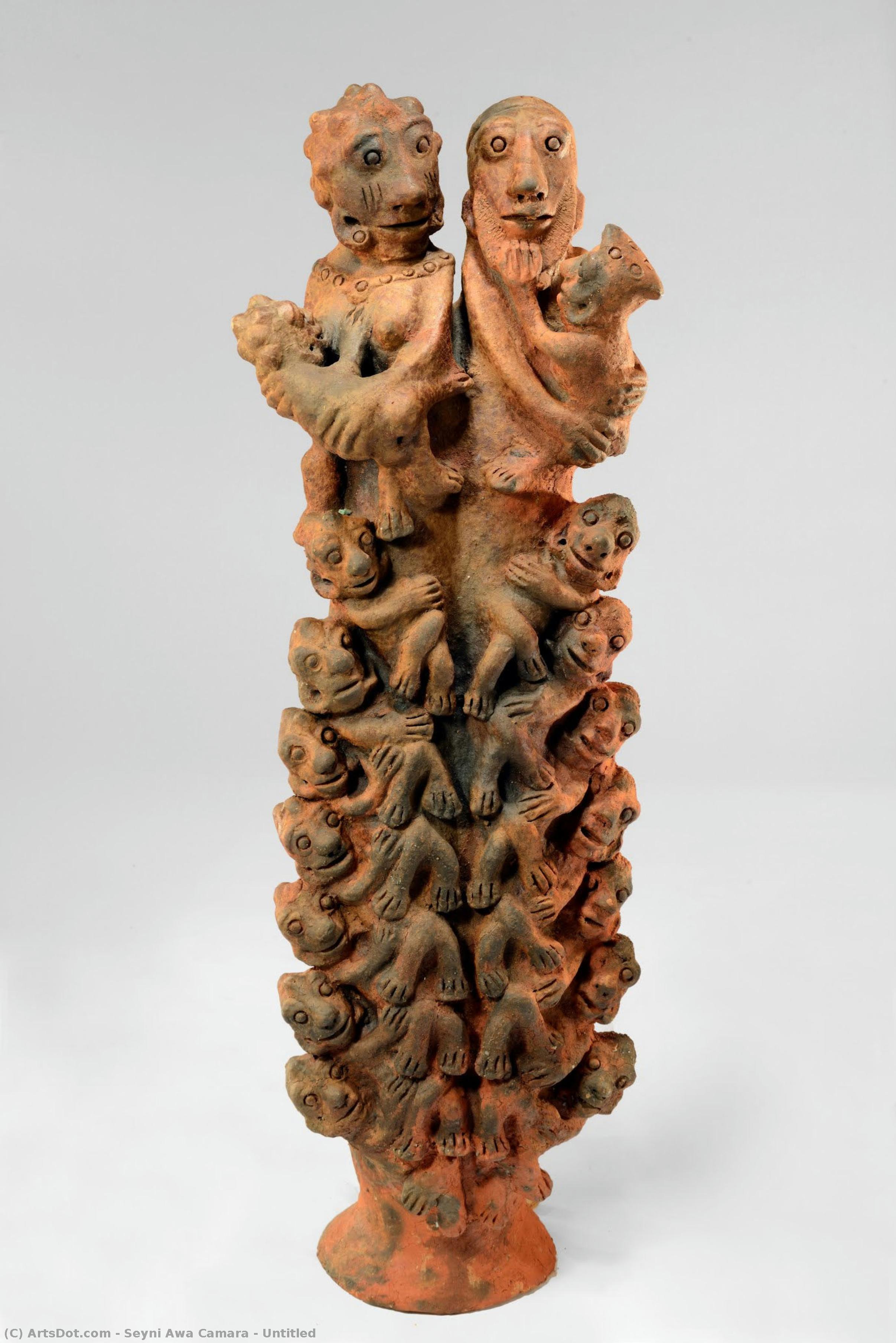
Untitled

Explore Seyni Awa Camara’s captivating sculptures – powerful expressions of Senegalese culture & ancestral stories. Unique clay art, rich symbolism, and a timeless vision.

Seyni Awa Camara (b. 1939) is a renowned Senegalese ceramic sculptor known for her large-scale, totemic figures exploring themes of maternity, spirituality & ancestral stories. Featured in CAAC & exhibited globally.

Kup wysokiej rozdzielczości, ulepszony obraz cyfrowy o znacznie wyższej jakości niż podgląd online.

Każdy plik jest starannie przygotowywany przez naszych specjalistów przy użyciu zaawansowanych narzędzi oraz profesjonalnej, ręcznej retuszy. Dbamy o to, aby każdy obraz cechował się wyjątkową ostrością, precyzyjnym odwzorowaniem kolorów i subtelnymi detalami.

Ostateczny plik dostarczany jest drogą mailową w ciągu 72 godzin, zoptymalizowany do natychmiastowego wykorzystania w profesjonalnych zastosowaniach redakcyjnych i poligraficznych. To ta sama jakość, której ufają czołowe studia projektowe, wydawnictwa oraz galerie sztuki.

Obraz cyfrowy

Pobierz plik o wysokiej rozdzielczości do osobistego wyświetlania, druku oraz projektów kreatywnych. (Zamów wydruk Zamów wydrukZamów ręcznie malowaną reprodukcję Zamów ręcznie malowaną reprodukcję)

Suma do zapłaty

$ 24,90

W każdym zamówieniu na obraz cyfrowy znajduje się

Profesjonalna dostawa cyfrowa z gwarancją

Wybierając WahooArt.com, nie otrzymujesz jedynie obrazu – otrzymujesz profesjonalnie udoskonalone cyfrowe dzieło sztuki, stworzone z najwyższą precyzją i objęte gwarancją satysfakcji. Oto wszystko, co automatycznie dołączane jest do Twojego zamówienia:

shipping_icon
Błyskawiczna wysyłka e-mailowa

Plik z obrazem cyfrowym w wysokiej rozdzielczości zostanie przesłany na Twój adres e-mail w ciągu 72 godzin od złożenia zamówienia – gotowy do natychmiastowego użycia.

canvas_icon
Plik cyfrowy wzbogacony przez AI

Twoja grafika została profesjonalnie zoptymalizowana przy użyciu zaawansowanych narzędzi AI oraz ręcznej edycji, co zapewnia maksymalną szczegółowość, klarowność i wierność kolorów.

insurance_icon
Dożywotnia darmowa ponowna dostawa

Przypadkowo usunąłeś lub zgubiłeś swój plik? Bez obaw – prześlemy go Tobie ponownie w dowolnym momencie, bez żadnych opłat.

tax_icon
Bez opłat importowych – zawsze

Ciesz się swoją sztuką natychmiast, bez żadnych opłat celnych, należności ani kosztów dostawy – pliki cyfrowe są zawsze wolne od podatku.

color_icon
Gwarancja wierności kolorów

Dzięki zastosowaniu profesjonalnych narzędzi i procesów zarządzania barwą zapewniamy, że Twoje cyfrowe zdjęcie odzwierciedla oryginalne kolory tak wiernie, jak to tylko możliwe.

return_icon
60-dniowa gwarancja satysfakcji

Jeśli nie będziesz zadowolony ze swojego cyfrowego obrazu, dokonamy jego poprawki lub zwrócimy 100% kosztów w ciągu 60 dni – bez żadnych pytań.

guarantee_icon
100% Gwarancja zwrotu pieniędzy

Nie jesteś zadowolony? Otrzymaj pełny zwrot kosztów w ciągu 60 dni od otrzymania pliku cyfrowego – bez zbędnych pytań.

discount_icon
Rabaty przy zamówieniach hurtowych

Kup 3 obrazy, oszczędź 10% - Kup 5, oszczędź 15% - Kup 10+, oszczędź 20%. Idealne do projektów kreatywnych, galerii i agencji.

Seni Awa Camara’s (born c. 1945, Bignona, Senegal) outlook on life is based on revealed truths, on timeless stories, on the world of human beings and the objects that surround them, and on her status as a Ouolof woman with an obligation to unite past and present. She was raised by her mother, who was also a potter, and who taught her sculpture when she was still a child. She had two twin brothers, and all three retreated into the forests of Casamançe to obey a mysterious and divine initiation. “We were sheltered by God’s spirits, who taught us to work with clay.” Camara models clay and gives shape to stories, events, and feelings that have been dreamt, revealed, or created from fantasy. She has gathered a substantial number of her sculptures in her home which could be described as a “theater without a stage,” full of objects and human figures placed according to size—ranging from examples less than twelve inches high to those which tower at eight feet. For Camara, her figures represent the world as she sees it, with people that are, good, bad, beautiful, or ugly. All these creatures are modeled in the yard in front of her house, and fired in an open-hearth kiln.She explains the distorted faces of her creations as a response to our indifference to our ancestors. Or when forty small monsters are clinging to a pregnant mother, it’s because we’re all fleeing from something! Before unveiling her “secrets,” she locks herself in with her talisman (an ox-horn) and everything becomes possible. Regarding art, she answers: “I am thinking, I have an idea, I am working.”

Biografia artysty

The Clay Chronicles of Seyni Awa Camara

In the heart of Bignona, Senegal, where the air carries the weight of ancient stories and the scent of damp earth, the sculptures of Seyni Awa Camara emerge as profound witnesses to a vanishing world. Born around 1945, Camara did not merely practice an art form; she acted as a bridge between the tangible present and the ethereal realm of her ancestors. Her work, often described as totemic, transcends simple ceramic craft to become a spiritual dialogue. To encounter her figures is to meet the spirits of the Casamance region, rendered in clay with a raw, visceral energy that demands both reverence and reflection.

The genesis of Camara’s creative spirit is steeped in the mystical and the maternal. Raised in Oussouye, she was shaped by a dual heritage: the nomadic influence of her father, a Sousou man from Guinea, and the deep-rooted Senegalese traditions of her mother, a Sereer potter. While some accounts speak of a divine initiation—a period where she and her brothers wandered the forests of Casamançe, returning with sculptures gifted by the spirits themselves—others point to the practical, rhythmic labor of her mother’s pottery. Regardless of the origin, the result was an unbreakable bond with the earth. This connection allowed her to transform humble clay into monumental beings that range from small, intimate talismans to towering figures standing over eight feet tall.

A Language of Form and Symbolism

Camara’s technique is a testament to the endurance of ancestral methods. Working largely in the open air of her front yard, she models her figures directly from the earth, a process that feels less like studio work and more like an act of summoning. These sculptures are often fired in open-hearth kilns, a traditional practice that imbues the finished pieces with a rugged, organic texture. Her aesthetic is intentionally evocative; she does not seek to replicate perfect human anatomy but rather to capture emotional truths. Through distorted faces and exaggerated proportions, she explores the complexities of the human condition—the beauty of maternity, the terror of the unknown, and the weight of spiritual responsibility.

The symbolism within her work is deeply layered, often touching upon themes of:

  • Ancestral Wisdom: The belief that each sculpture serves as a vessel for the wisdom of those who came before.
  • Maternity and Life: Powerful depictions of motherhood that celebrate fertility while acknowledging the vulnerabilities of existence.
  • Spiritual Duality: The tension between the seen and unseen worlds, often represented through figures that appear to be in states of transformation or flight.

Legacy and Global Resonance

Despite the challenges of navigating an art historical landscape that was, for much of her career, dominated by male voices and Western-centric perspectives, Camara achieved significant international recognition. Her work found a home in prestigious collections, most notably through the support of Jean Pigozzi’s Collection Abri (CAAC), which brought her Senegalese storytelling to a global stage. She stood as a rare female presence in the celebrated Dakar “école des arts,” proving that the traditional medium of clay could hold the same intellectual and artistic weight as the more academic medium of painting.

Ultimately, the historical significance of Seyni Awa Camara lies in her ability to refuse the erasure of her culture. In an era of rapid globalization, she remained anchored to the soil of Senegal, using her art to ensure that the stories, the spirits, and the very texture of her heritage would remain indestructible. Her sculptures remain not just as objects of beauty, but as enduring monuments to a soul that found divinity in the mud.

Krótka nota

  • Artistic Movement Or Style: Ceramic Sculpture
  • Date Of Birth: c. 1945
  • Full Name: Seyni Awa Camara
  • Nationality: Senegalese
  • Notable Artworks: ['Untitled']
  • Place Of Birth: Bignona, Senegal