Wczesne lata, rodzina i edukacja
Barbara Hepworth przyszła na świat 10 stycznia 1903 roku w Wakefield, w hrabstwie West Riding w Anglii. Jako najstarsze dziecko Gertrude i Herberta Hepworth, dorastała w atmosferze, która w sposób szczególny ukształtowała jej przyszłą wrażliwość. Jej ojciec, pracujący jako inżynier budownictwa dla West Riding County Council, zapewnił jej wychowanie zakorzenione w praktycznym, strukturalnym podejściu do świata. To właśnie surowe, a zarazem zachwycające piękno krajobrazu Yorkshire stało się fundamentem jej wczesnej świadomości przestrzennej, która lata później miała zdefiniować jej unikalne podejście do formy trójwymiarowej.
Jej formalna droga edukacyjna rozpoczęła się w Wakefield Girls' High School, gdzie wykazywała się nie tylko zdolnościami akademickimi, ale i muzycznymi. Ten solidny start otworzył jej drzwi do Leeds School of Art, gdzie w 1920 roku zaczęła kształtować techniczną dyscyplinę niezbędną do prowadzenia głębokich poszukiwań rzeźbiarskich. W latach 20. XX wieku przeniosła się do Londynu, aby studiować w Royal College of Art. Ten kluczowy okres szkolenia był niezbędny dla wypracowania intelektualnej rygorystyczności, która odróżnia jej dzieła od czystej dekoracyjności. Barbara Hepworth nie uczyła się jedynie rzemiosła; ona zgłębiała mistyczną relację między materią a pustką.
Lata formacyjne i początki kariery
Wczesna ścieżka zawodowa, którą podążała Barbara Hepworth, została zdefiniowana przez serię znaczących zwrotów osobistych i artystycznych, które stanowiły lustrzane odbicie radykalnych przemian zachodzących w brytyjskim modernizmie. W maju 1925 roku, we Florencji, wyszła za mąż za rzeźbiarza Johna Skeapinga. Okres ten przyniósł zwrot ku technice bezpośredniego rzeźbienia, metodzie wymagającej fizycznego, niepośredniego kontaktu z kamieniem i drewnem. Do 1931 roku jej życie osobiste i twórcze przeszło kolejną transformację, gdy zakochała się w malarzu Benie Nicholsonie. Ta relacja była częścią szerszego, intensywnego kręgu intelektualnego nowoczesnych artystów, skupionego wokół londyńskiej dzielnicy Hampstead. Te społeczne i romantyczne sploty nie były jedynie rozproszeniami; stanowiły one tygle, w których jej podejście do przestrzeni i formy było konfrontowane z dominującymi trendami epoki.
Rozpad pierwszego małżeństwa w marcu 1933 roku zwiastował odejście od jej wcześniejszych, bardziej figuratywnych poszukiwań. Ostatecznie w 1938 roku wyszła za mąż za Bena Nicholsona, co przypieczętowało jej pozycję w awangardzie brytyjskiej abstrakcji. W tych latach jej twórczość oddalała się od tradycji reprezentacyjnych, dążąc raczej do destylacji esencji formy poprzez bardziej redukcyjny, geometryczny język. Ten okres przejściowy przyniósł ewolucję od studiowania antycznych monumentów ku wyrafinowanemu zrozumieniu tego, jak negatywna przestrzeń funkcjonuje jako element strukturalny. Jej rozwój nie był liniową progresją, lecz serią świadomych, często trudnych zerwań z przeszłością.
Ruch artystyczny Unit One
W 1933 roku Barbara Hepworth odegrała kluczową rolę w powołaniu do życia ruchu Unit One – kolektywu, który w sposób fundamentalny odmienił trajektorię brytyjskiego modernizmu. Wspólnie z Benem Nicholsonem, Paulem Nashem oraz gronem innych wybitnych artystów, dążyła do zasypania przepaści dzielącej surrealizm od abstrakcji. Nie była to jedynie kwestia stylistycznych preferencji, lecz świadoma, głęboka próba zjednoczenia tych dwóch dominujących sił na brytyjskiej scenie artystycznej. Ruch ten odważnie wypierał się tradycyjnych granic przedstawiania rzeczywistości, poszukując nowego, wizualnego języka zdolnego udźwignąć złożoność i niepokój nowoczesnej ery.
Wpływ tego okresu jest wyraźnie odczuwalny w ewolucji twórczości, jaką przeszła Barbara Hepworth – od jej wczesnych, figuratywnych eksperymentów ku bardziej rygorystycznemu, abstrakcyjnemu słownictwu formy. Ta przemiana nie była odosobnionym procesem; stanowiła część szerszego, skoordynowanego wysiłku grupy Unit One, której celem było wyprowadzenie brytyjskiej sztuki z prowincjonalizmu i skierowanie jej ku międzynarodowej awangardzie. Jej zaangażowanie w to intelektualne kręgi ugruntowało jej pozycję jako centralnej postaci ruchu, który ponad dosłowność przedstawiania przedłożył esencjonalne właściwości formy i przestrzeni.
W miarę jak zbliżała się II wojna światowa, środek ciężkości tej artystycznej wspólnoty uległ przesunięciu geograficznemu. Barbara Hepworth stała się jedną z czołowych postaci kolonii artystów osiadłych w St Ives w Kornwalii. Ta relokacja przekształciła nadmorskie miasteczko w istotne centrum myśli modernistycznej. Koncentracja talentów w St Ives pozwoliła na nieustanne zgłębianie relacji zachodzących między abstrakcyjną formą a naturalnym krajobrazem, zapewniając, że radykalne idee głoszone przez Unit One pozostaną fundamentem rozwoju brytyjskiej rzeźby.
Technika i styl artystyczny
Podejście Barbary Hepworth do nowoczesnej rzeźby definiuje rygorystyczne oddanie metodzie bezpośredniego rzeźbienia. Zamiast modelować glinę z myślą o późniejszym odlewie, artystka pracowała bezpośrednio w materiale, pozwalając mu dyktować ostateczny kształt. Ta metoda wymaga natychmiastowego, fizycznego zaangażowania w samą substancję dzieła. Poprzez dłutowanie i żłobienie nadawała formę marmurowi oraz drewnu, często malując wnętrza swoich form, aby manipulować sposobem, w jaki światło i cień oddziałują na wewnętrzne powierzchnie. W wielu dziełach szła jeszcze dalej, wiążąc boki swoich rzeźb drutem lub sznurkiem, co tworzyło namacalne napięcie między oddzielnymi częściami jednego obiektu.
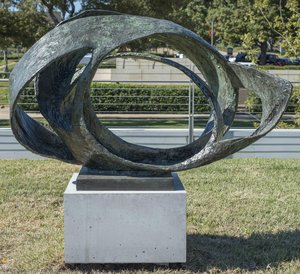
Jej najistotniejszym wkładem w język abstrakcji jest wykorzystanie negatywnej przestrzeni. Wprowadzając w swoje rzeźby otwarte pustki, przekształciła otwór z czystego braku w pełnoprawny element strukturalny. Te apertury robią coś więcej niż tylko tworzą otwory; one ustanawiają więź między obiektem a przestrzenią go otaczającą. Technika ta zmusza widza do uznania powietrza wewnątrz formy za namacalną część kompozycji. Rezultatem jest napięcie między obecnością a nieobecnością, które definiuje jej modernistyczną estetykę.
- Pierced Form (1932)
- Single Form (Chûn Quoit) (1961)
- Two Forms (1937)
- Oval Form (Trezion) (1962)
Kluczowe dzieła i innowacje rzeźbiarskie
Najważniejszym wkładem, jaki Barbara Hepworth wniosła do rzeźby nowoczesnej, było radykalne wykorzystanie negatywnej przestrzeni. W 1931 roku wprowadziła formę przeforsowaną, czyli technikę, która przekształciła pustkę z nieobecności w pełnoprawny element strukturalny. To przesunięcie skierowało rzeźbę z obszaru litej masy w stronę eksploracji tego, jak światło i przestrzeń wchodzą w interakcję z materią. Jej przełom nastąpił w 1937 roku wraz z dziełem Oval Form (Trezion), które ugruntowało jej biegłość w operowaniu tymi geometrycznymi, wydrążonymi bryłami. Poprzez żłobienie w samej substancji dzieła, artystka zmusiła widza do uznania przestrzeni wewnątrz za równie żywotną i istotną, co sam materiał.
Jej niezwykła zdolność do balansowania między organicznymi tematami a rygorystyczną abstrakcją objawia się w twórczości z lat 30. XX wieku, czego doskonałym przykładem jest Mother and Child. Dzieło to ukazuje, w jaki sposób potrafiła ona destylować ludzkie relacje do uproszczonych, obłych kształtów. Z czasem jej warsztat uległ rozszerzeniu, obejmując integrację materiałów niebędących tradycyjnie rzeźbiarskimi. W 1956 roku stworzyła Stringed Figure (Curlew), w której wykorzystała bawełniany sznur do związania drewnianych form, tworząc fizyczne napięcie, które odzwierciedlało wewnętrzną geometrię rzeźby. Metoda ta podkreślała więź między różnymi częściami pojedynczego obiektu poprzez dosłowne, dotykowe spajanie.
Skala jej wizji osiągnęła monumentalny wymiar w przypadku Single Form. Ten liczący ponad sześć metrów, ważący pięć ton brązowy monument został zamówiony jako pomnik dla Dag Hammarskjölda. Pozostaje on definitywnym przykładem tego, jak jej abstrakcyjny język może zostać przełożony na masywne, skierowane ku przestrzeni publicznej struktury, nie tracąc przy tym skupienia na esencji formy.
Późne lata i śmierć
Ostatni rozdział kariery, którą prowadziła Barbara Hepworth, nierozerwalnie związał się ze St Ives w Kornwalii. Po zakupie pracowni Trewyn Studio we wrześniu 1949 roku, artystka pozostała w tym nadmorskim krajobrazie na kolejne dwadzieścia sześć lat. Okres ten przyniósł ze sobą znaczące rozszerzenie skali oraz złożoności jej twórczości. Aby sprostać ogromnym wymaganiom swojej praktyki artystycznej, od 1949 roku współpracowała z szesnastoma asystentami – była to konieczność wynikająca z ogromu fizycznego trudu, jaki niosło ze sobą tworzenie monumentalnych rzeźb poprzez bezpośrednie rzeźbienie oraz odlewanie w brązie.
Jej życie dopełniło się gwałtownie w 1975 roku. Pożar w jej pracowni odebrał jej życie w wieku 72 lat. Tragedia ta wydarzyła się w miejscu, które przez ponad dwie dekady było jej domem i azylem twórczym. To nagłe odejście pozostawiło po sobie dorobek artystyczny, który przeszedł zdecydowaną drogę – od form figuratywnych ku surowej, oczyszczonej i niezwykle rygorystycznej abstrakcji.
Dziedzictwo i kolekcje muzealne
Wpływ, jaki wywarła Barbara Hepworth, trwa nieprzerwanie dzięki instytucjom, które pielęgnują jej materialne dzieła. The Hepworth Wakefield w Wakefield w Wielkiej Brytanii nosi jej nazwisko i stanowi istotny punkt na mapie kulturalnej regionu, w którym przyszła na świat. Muzeum to przechowuje ponad 400 jej rzeźb oraz rysunków, dbając o to, by jej unikalne podejście do formy i przestrzeni pozostawało dostępne dla szerokiej publiczności. Kolekcja ta stanowi bezpośredni łącznik z procesem jej twórczego rozwoju, ukazując ewolucję od wczesnych, figuratywnych eksperymentów po późniejsze, głęboko abstrakcyjne kompozycje.
Zupełnie inny wymiar zachowania pamięci o artystce oferuje Barbara Hepworth Museum and Sculpture Garden w St Ives w Kornwalii. To wyjątkowe miejsce pozwala zobaczyć jej pracownię oraz ogród w stanie, w jakim znajdowały się za jej życia, tworząc żywy pomnik jej codziennej praktyki artystycznej. Miejsce to służy jako stały punkt odniesienia dla jej twórczości, ukazując w sposób namacalny, jak otaczający ją krajobraz kształtował jej estetykę. W 1980 roku jej rodzina przekazała muzeum galerii Tate, zapewniając mu trwałe miejsce w ramach jednej z najważniejszych narodowych kolekcji.
Gdzie dziś można podziwiać jej dzieła
Fizyczna obecność Barbary Hepworth w świecie sztuki pozostaje nierozerwalnie związana z instytucją The Hepworth Wakefield w Wakefield w Wielkiej Brytanii. To właśnie tam zgromadzono znaczną część jej dorobku, co pozwala na skoncentrowany wgląd w ewolucję jej myśli rzeźbiarskiej. Tutejsza kolekcja umożliwia bezpośrednie obcowanie z jej niezwykłą biegłością w pracy z materią oraz sposobem, w jaki manipulowała przestrzenią poprzez swoje charakterystyczne, ażurowe formy.
Poza granicami Wielkiej Brytanii, jej wpływ rozprzestrzenia się na wiele prestiżowych kolekcji międzynarodowych. W Stanach Zjednoczonych Kimbell Art Museum w Fort Worth skrywa „Oval Form (Trezion)”. Dzieło to w mistrzowski sposób demonstruje jej zdolność do panowania nad bryłą za pomocą brązu. Podobnie New Orleans Museum of Art posiada w swoich zbiorach „River Form” – pracę, która podkreśla jej fascynację organicznymi, płynnymi kształtami. Dzięki tym miejscom twórczość artystki pozostaje żywym elementem globalnego dialogu, a nie jedynie lokalnym zjawiskiem.
Zasięg jej artystycznej praktyki sięga aż do Auckland Art Gallery Toi o Tāmaki, gdzie znajduje się „Torso II (Torcello)”. Obcowanie z tymi dziełami w ich naturalnym, instytucjonalnym otoczeniu pozwala w pełni pojąć skalę i materialną rzeczywistość jej abstrakcji. Rzeźby te wymagają od widza szczególnego rodzaju uważności – konieczności krążenia wokół obiektu, aby w pełni zrozumieć subtelną relację zachodzącą między solidną masą a kojącą pustką.
Pytania i odpowiedzi
Jak popularne są dzieła artysty Barbara Hepworth?
Dla artysty Barbara Hepworth dostępna jest strona Statystyki odwiedzin, która prezentuje statystyki dotyczące jego dzieł w serwisie niniejsza strona.
Czy istnieje oś czasu prac Barbara Hepworth?
Strona Chronologia dzieł prezentuje dzieła Barbara Hepworth uporządkowane chronologicznie, rok po roku.
Skąd pochodzi Barbara Hepworth?
Barbara Hepworth urodził się w Wielka Brytania.