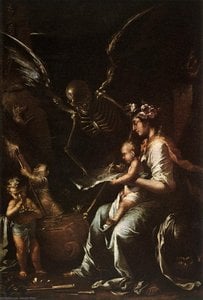
Wydruki giclée lub płótna o jakości muzealnej, szybka realizacja i szeroki wybór opcji wykończenia. ( Zamów ręcznie malowaną reprodukcję Przejdź do wersji cyfrowej)





























Wybierz spośród naszych standardowych rozmiarów, które zachowują oryginalne proporcje dzieła sztuki.

Wpisz wymaganą szerokość i wysokość, aby dopasować grafikę do ramy lub ściany. Wydruk można jedynie przyciąć, nigdy nie powiększając go poza oryginalny obraz, dlatego format o innych proporcjach spowoduje utratę części kompozycji. Przed rozpoczęciem druku prześlemy Ci cyfrowy podgląd do zatwierdzenia. Obraz wyświetlany na tej stronie nie pokazuje rzeczywistego przycięcia — jedynie podgląd oddaje ten efekt.
Dostawa na cały świat () w ciągu 2 tygodni zamiast standardowych 4/5 tygodni. (8 Listopad)
Heroic Battle
Wymiary reprodukcji
Salvator Rosa's "Heroic Battle," painted in 1652, isn't merely a depiction of warfare; it’s a visceral plunge into the heart of conflict—a brutal ballet of desperation and fleeting glory. Born amidst the tumultuous backdrop of Naples during the Baroque era, Rosa was a painter who deliberately defied convention, forging his own path through a world increasingly defined by rigid rules. This painting, housed within the hallowed halls of the Louvre in Paris, embodies that rebellious spirit, offering a raw and unflinching portrayal of a clash far removed from idealized heroic narratives.
The scene explodes with dynamic energy. Rosa masterfully employs the techniques characteristic of the Baroque – dramatic chiaroscuro, intense color contrasts, and a swirling composition—to capture the frenzied chaos of battle. The eye is immediately drawn to the central figures locked in hand-to-hand combat, their faces contorted in expressions of savage determination. Notice how Rosa doesn’t shy away from depicting the gruesome reality of war: exposed wounds, shattered armor, and the sheer physicality of the struggle are all rendered with startling realism. The artist's use of loose brushstrokes and a vibrant palette—deep reds, ochres, and blues—creates a sense of immediacy, as if we’re witnessing the battle unfold before our very eyes.
To understand “Heroic Battle,” it's crucial to recognize the historical context in which it was created. The mid-17th century witnessed a surge of interest in portraying historical and mythological events, often imbued with moral or political messages. Rosa’s work reflects this trend, drawing inspiration from classical antiquity while simultaneously engaging with contemporary conflicts—specifically, the Italian Wars and the Thirty Years' War. The painting isn’t simply a record of a specific battle; it’s an allegorical exploration of human conflict itself – a meditation on courage, brutality, and the inevitable cost of war.
Rosa’s choice to depict a nameless, generalized “battle” rather than a specific historical event is significant. He deliberately avoids glorifying any particular side or outcome, instead focusing on the universal experience of violence. The imposing mountain range in the background, and the ancient ruins that stand as silent witnesses to centuries of conflict, further emphasize this theme—a reminder of humanity’s enduring struggle against both external enemies and its own internal demons.
Beyond the immediate depiction of combat, “Heroic Battle” is rich in symbolic detail. The presence of the ancient temple or ruins suggests a timelessness to the conflict—a sense that war has always been a recurring feature of human history. The figures themselves are not presented as idealized heroes; they’re ordinary men caught in extraordinary circumstances, driven by instinct and desperation. Even the lighting plays a symbolic role, with dramatic highlights drawing attention to key moments of action while casting other areas into shadow—a visual representation of the uncertainty and danger inherent in war.
The painting's scale – 214 x 351 cm – allows Rosa to meticulously detail every aspect of the scene, from the individual soldiers’ expressions to the vastness of the landscape. The artist’s masterful use of light and shadow creates a powerful sense of depth and drama, drawing the viewer into the heart of the battle. It's a testament to Rosa’s skill that he manages to convey such intense emotion and visceral experience within a single canvas.
Salvator Rosa’s "Heroic Battle" remains a compelling work of art, captivating viewers with its raw energy, dramatic composition, and profound exploration of human conflict. It's a painting that demands attention—a reminder of the brutality of war while simultaneously celebrating the courage and resilience of those who fight within it. Reproductions of this masterpiece offer an opportunity to bring this powerful image into your home or office, serving as a poignant reflection on history, humanity, and the enduring nature of struggle.
Kolorem, który najbardziej wyróżnia się w "Heroic Battle", jest Espresso (#554838). Dominujący kolor ułatwia dopasowanie dzieła sztuki do wnętrza.
W "Heroic Battle" Balanced kontrast łączy się z Balanced Harmony harmonią.
W przypadku "Heroic Battle" zalecanym formatem wydruku jest rozmiar Large w orientacji Panoramic.


1615 - 1673 , Włochy

Elevate your collection with the dramatic grandeur of Baroque oil masterpieces. WahooArt offers exquisite, hand-painted reproductions of the Great Masters, featuring authentic chiaroscuro and premium textures. Discover bespoke artistry and expert consultation for elite collectors worldwide.
 Podgląd w skali 1:1
 Wyślij jako kartkę
 Udostępnij
 Szczegóły dzieła
 Przewodnik

 Pobierz obraz
 Podobne obiekty
 RTG
RTG Pokaz slajdów
 Pytania i odpowiedzi
 Statystyki


 Rozwiń treść









 Opcja ze szkłem jest dostępna wyłącznie w rozmiarach poniżej 110 cm