Podgląd w skaliPodgląd w skali Podgląd ARPodgląd AR Przełącz na wydruki Przełącz na wydrukiPrzełącz na obraz cyfrowy Przełącz na obraz cyfrowy Wyślij jako kartkęWyślij jako kartkę
Szczegóły dziełaSzczegóły dzieła Dodaj do ulubionych Dodaj do ulubionych PobierzPobierz Podobne obiektyPodobne obiekty RTGRTG Pokaz slajdówPokaz slajdów StatystykiStatystyki

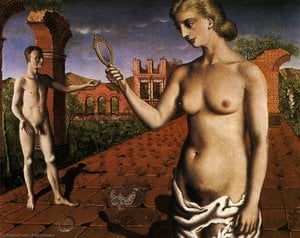
Pygmallion

Paul Delvaux’s surrealist masterpiece, Pygmallion, presents a captivating scene of a woman interacting with nude statues, embodying the dreamlike atmosphere characteristic of the 1930s. Explore this iconic artwork and bring its enigmatic beauty into your space.

Paul Delvaux – belgijski malarz surrealistyczny znany z mrocznych, fascynujących obrazów z nudem, architekturą i symbolami. Odkryj jego unikalną wizję świata!

Ręcznie malowana reprodukcja olejowa

Ręcznie malowany obraz olejny na płótnie, wykonany na zamówienie przez naszych artystów w wybranym przez Ciebie wymiarze i oprawie. (Przełącz na wydruki Przełącz na wydrukiPrzełącz na obraz cyfrowy Przełącz na obraz cyfrowy)

P118B $10
P118H $10
P118W $10
P438Z $10
P508JH $12
P508YH $12
P805H $10
P805Z $10
P919BZ $10
P919G $10
P919XJ $10
P959ZH $10
P968JZ $12
W106C $8
W218G $10
W218JH $8
W218Y $10
W307PJ $10
W316G $10
W316PJ $8
W316Y $10
W398PJ $8
W4111J $10
W500HY $15
W500JH $15
W692G $12
W849H $8
W940BG $15
W953PJ $8

Standardowy rozmiar
na wymiar
CM
INCH

Wybierz spośród naszych standardowych rozmiarów, które zachowują oryginalne proporcje dzieła sztuki.

szerokość
wysokość

Możesz wprowadzić własne wymiary, aby dopasować obraz do konkretnej ramy lub przestrzeni. Jeśli wybrany rozmiar nie będzie odpowiadał proporcjom oryginału, przytniecie dzieło sztuki lub rozszerzymy je o dodatkowe elementy, ręcznie domalowane przez artystę. Przed rozpoczęciem produkcji wyślemy projekt cyfrowy do Twojej akceptacji.
Należy pamiętać, że podgląd na ekranie nie odzwierciedla rzeczywistego przycinania ani rozszerzania obrazu. Tylko projekt dokładnie pokaże ostateczną kompozycję.
Choć oferujemy możliwość zamówienia niestandardowych rozmiarów, zalecamy wybór wymiaru z gotowej listy, aby zachować oryginalne proporcje dzieła.

Przykłady możliwych zmian: Zamień twarz na zdjęcie klienta; Dodaj zwierzę domowe (np. zamień kota na psa); Ukryj wiadomość w tle; Zmień krajobraz lub elementy tła.
Po złożeniu zamówienia zespół WahooArt.com skontaktuje się z klientem drogą mailową w celu uzyskania instrukcji i prześle wizualizację projektu

Dostawa na całym świecie () w ciągu 3–4 tygodni zamiast standardowych 5 tygodni. (11 Wrzesień). Bez kompromisów w kwestii jakości.

why_choose_icon
Bezpłatna ekspresowa wysyłka na cały świat
why_choose_icon
Wysokiej jakości płótno lniane
why_choose_icon
Pełne ubezpieczenie przesyłki
why_choose_icon
Gwarancja zwrotu należności celnych i podatków importowych
why_choose_icon
Gwarancja wiernego odwzorowania kolorów
why_choose_icon
100-dniowa polityka zwrotów (tylko w przypadku wad)
why_choose_icon
Gwarancja 100% zwrotu kosztów
why_choose_icon
Zniżka przy zamówieniu wielu produktów

Suma całkowita

$ 272

reproduction

Pygmallion

Technika reprodukcji

Wymiary reprodukcji

-

Cena całkowita

$ 272

Szybki podgląd

  • Title: Pygmallion
  • Dimensions: 117 x 147 cm
  • Subject or theme: Nudity, fantasy
  • Year: 1939
  • Influences:
    • Greek art
    • Verne
  • Artistic style: Dreamscape realism
  • Artist: Paul Delvaux

Paul Delvaux's "Pygmalion": A Surrealist Echo of Desire and Sculpture

Paul Delvaux’s 1939 painting, “Pygmalion,” is more than just a depiction of a woman interacting with statues; it’s a meticulously crafted exploration of desire, the unsettling beauty of the uncanny, and the enduring power of classical myth. Measuring 117 x 147 cm, this surrealist masterpiece immediately draws the viewer into its enigmatic world, populated by figures rendered in Delvaux's signature style – a precise, almost photographic realism that simultaneously elevates and distorts reality. The scene unfolds within a dimly lit interior, suggesting a studio or perhaps a private chamber, where the woman’s presence is both alluring and profoundly unsettling. Her posture, ambiguous between invitation and restraint, invites speculation about her intentions and the nature of her relationship with the two imposing nude statues flanking her.

  • Subject Matter: The painting directly references the Greek myth of Pygmalion, a sculptor who fell in love with one of his own creations – Galatea. Delvaux’s interpretation subverts this narrative, presenting a contemporary woman engaging with sculpted male figures, blurring the lines between creator and creation, desire and objectification.
  • Style & Technique: Delvaux was a master of meticulous detail, employing a technique that anticipates photorealism while firmly rooted in Surrealist principles. The smooth surfaces, sharp edges, and precise rendering of textures – from the woman’s skin to the cold stone of the statues – create an intensely realistic effect that is deliberately destabilizing.

The Weight of Symbolism: Classical Allusions and Modern Anxiety

“Pygmalion” resonates with a complex layering of symbolism, drawing heavily from classical mythology while simultaneously reflecting the anxieties and uncertainties of the interwar period. The statues themselves represent idealized masculinity – powerful, imposing, and ultimately unattainable. Their nudity is not merely anatomical; it’s symbolic of vulnerability and exposure, mirroring the woman's own potential fragility within this charged scene. The presence of other figures in the background—a man on the left and another on the right—adds to the sense of unease and suggests a voyeuristic element, further complicating the narrative. Delvaux expertly utilizes these elements to evoke a feeling of psychological tension, prompting viewers to confront their own desires and anxieties about beauty, power, and representation.

Historical Context: Surrealism in the 1930s

Created in 1939, “Pygmalion” emerged during a pivotal moment in art history – the height of Surrealism. Following the devastation of World War I and the rise of totalitarian regimes, artists sought to challenge conventional notions of reality and explore the subconscious mind. Delvaux, though often resistant to rigid categorization, embraced the core tenets of Surrealism: dream imagery, irrational juxtapositions, and a fascination with the uncanny. His work reflects this broader movement’s interest in exploring the darker aspects of human psychology and questioning established social norms. The painting's stark realism within a surreal context is particularly characteristic of Delvaux's approach.

Emotional Impact & Artistic Value

“Pygmalion” possesses a haunting beauty that transcends its narrative complexity. It’s a work that lingers in the mind long after viewing, prompting contemplation about the nature of desire, identity, and the relationship between art and reality. This meticulously crafted reproduction captures not only the visual details of Delvaux's original but also the emotional depth and psychological intensity that make it such a significant piece of Surrealist art. Its enduring appeal makes it an ideal addition to any discerning collection or a captivating focal point for interior design, offering a glimpse into the visionary world of Paul Delvaux.


O artyście

A Dream Weaver: The Life and Art of Paul Delvaux

Paul Delvaux, a name synonymous with haunting beauty and unsettling mystery, was born in 1897 in the small Belgian village of Wanze – a place that would profoundly shape his artistic vision. His early life, steeped in both rigorous academic training and the fantastical worlds conjured by literature and myth, laid the foundation for his unique approach to Surrealism. Initially destined for a career in architecture by his parents, Delvaux’s passion for painting ultimately prevailed, leading him to enroll at the prestigious Académie Royale des Beaux-Arts in Brussels. While he struggled with the demanding structure of architectural design, the artistic training instilled within him a remarkable command of perspective and form – skills that would later be brilliantly employed in crafting his dreamlike landscapes. Early works, primarily landscapes painted in a post-impressionist style, hinted at the peculiar atmosphere that would become his signature, yet they also reflected a grounding in classical techniques.

The Seeds of Surrealism: De Chirico and Early Influences

A pivotal moment arrived with Delvaux’s encounter with the paintings of Giorgio de Chirico. The Italian artist's metaphysical landscapes – stark, enigmatic scenes populated by shadows, classical architecture, and unsettling figures – resonated deeply within Delvaux’s soul, unlocking a new realm of possibilities. De Chirico’s ability to evoke a sense of unease and psychological depth profoundly influenced Delvaux’s artistic direction. He wasn't merely copying de Chirico; he was absorbing the *spirit* of his work, adapting it to his own unique sensibility. Alongside de Chirico, Delvaux also found inspiration in the works of Flemish Expressionists like Constant Permeke and Gustave De Smet, whose somber palettes and emotionally charged brushwork added another layer of complexity to his artistic vocabulary. The influence of Homer’s *Odyssey* and Jules Verne's adventurous tales further fueled his imagination, imbuing his paintings with a sense of timelessness and the allure of the unknown. This confluence of influences – classical precision, psychological depth, and fantastical imagery – began to coalesce into Delvaux’s distinctive style.

The Language of Dreams: Recurring Motifs and Symbolism

Delvaux's artistic language is characterized by a rich tapestry of symbolism, though he consistently resisted attempts at reductive psychoanalytic interpretations. The female nude, a recurring motif in his work, rarely embodies simple sensuality; instead, she often appears passive, melancholic, or even haunted – embodying both desire and vulnerability. Trains and railway stations frequently serve as potent symbols of transition, displacement, and the anxieties inherent in modern life. Skeletons, far from being morbid reminders of death, are presented as spectral presences, subtly reminding us of our mortality while existing within idyllic scenes. Classical architecture provides a backdrop of order and permanence, yet it is often rendered strangely distorted or incomplete, suggesting a fragility beneath its imposing facade. These elements aren’t merely decorative; they are integral to the emotional and psychological impact of his paintings. Consider *Night Train*, for example – the anonymous figures, the looming architecture, and the palpable sense of impending doom create an unforgettable image that speaks to our deepest anxieties. The artist himself emphasized that his imagery stemmed from deeply personal memories and impressions, rather than deliberate attempts at decoding the subconscious.

From Neo-Impressionism to Surrealist Recognition

Delvaux’s artistic journey wasn't a straightforward progression; he navigated various stylistic influences before fully embracing Surrealism. Initially working in a neo-impressionist style, characterized by meticulous detail and vibrant colors, his early landscapes reflected this academic grounding. However, after encountering the works of de Chirico and Magritte, Delvaux began to experiment with more irrational and dreamlike imagery. He traveled through Italy during World War II, immersing himself in the classical architecture and artistic traditions of that country, which further informed his style. He officially joined the Surrealist movement in 1934, participating in an exhibition organized by André Breton, though he maintained a degree of independence from the group’s rigid ideological framework. His paintings – such as *Sleeping Venus*, *The Summer*, and *Grise City* – became instantly recognizable for their haunting beauty and unsettling atmosphere. Major works like *Sleeping Venus* are now held in prestigious museums worldwide, cementing his place as one of the most important artists of the 20th century.

Legacy and Enduring Influence

Paul Delvaux’s legacy extends far beyond his own lifetime. His paintings continue to captivate audiences with their haunting beauty and enigmatic atmosphere, prompting viewers to confront unsettling questions about reality, desire, and mortality. He demonstrated that Surrealism could exist beyond the confines of automatic writing and dream analysis, embracing instead a meticulous technique and a deeply personal vision. The Paul Delvaux Museum in Saint-Idesbald, Belgium, stands as a testament to his lasting impact, housing the world’s largest collection of his work and offering visitors an intimate glimpse into the captivating realm of his imagination. His influence can be seen in the works of countless contemporary artists who continue to explore themes of memory, desire, and the subconscious – ensuring that Delvaux's dreamlike visions will endure for generations to come.

Paul Delvaux

Paul Delvaux

1897 - 1994 , Belgia

Krótka nota

  • Artistic Movement Or Style: Surrealizm
  • Artists Or Movements Influenced By This Artist:
    • Neoimpresjonizm
    • Ekspresjonizm
  • Artists Who Influenced This Artist:
    • De Chirico
    • Magritte
  • Date Of Birth: 23 września 1897
  • Date Of Death: 20 lipca 1994
  • Full Name: Paul Delvaux
  • Nationality: Belgijski
  • Notable Artworks:
    • Śpiąca Wenus
    • Nocny pociąg
    • Miasto szarości
  • Place Of Birth: Wanze, Belgia
Odkryj dzieła sztuki uporządkowane według tematów, stylów i cech charakterystycznych.