Podgląd w skali 1:1 Podgląd AR Przełącz na wydania drukowane Zamów ręcznie malowaną reprodukcję Wyślij jako kartkę
Szczegóły dzieła Przewodnik Dodaj do ulubionych Pobierz obraz Podobne obiekty RTG Pokaz slajdów Statystyki

Under Boots

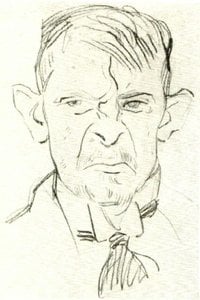
A man in distress lies on the ground in this evocative 1928 painting by Hermann Erneste Abeking that captures a somber atmosphere through expressive early 20th-century German artistry, perfect for your private collection.

Odkryj dzieła Hermanna Ernsta Abekinga, niemieckiego ilustratora i karykaturzysty. Poznaj ekspresję sztuki początku XX wieku.

Kup wysokiej rozdzielczości, ulepszony obraz cyfrowy o jakości znacznie przewyższającej podgląd online.

Każdy plik jest starannie przygotowywany przez naszych specjalistów przy użyciu zaawansowanych narzędzi oraz profesjonalnej, ręcznej retuszy. Dbamy o to, aby każdy obraz cechował się wyjątkową ostrością, precyzyjnym odwzorowaniem kolorów i subtelnymi detalami.

Ostateczny plik dostarczany jest drogą mailową w ciągu 72 godzin, zoptymalizowany do natychmiastowego wykorzystania w profesjonalnych zastosowaniach redakcyjnych i poligraficznych. To ta sama jakość, której ufają czołowe studia projektowe, wydawnictwa oraz galerie sztuki.

Obraz cyfrowy

Pobierz plik o wysokiej rozdzielczości do osobistego użytku, druku oraz projektów kreatywnych. ( Przełącz na wydania drukowane Zamów ręcznie malowaną reprodukcję)

Suma do zapłaty

zł 95,64

W każdym zamówieniu na obraz cyfrowy znajduje się

Profesjonalna dostawa cyfrowa z gwarancją

Wybierając WahooArt.com, nie otrzymujesz jedynie obrazu – otrzymujesz profesjonalnie udoskonalone cyfrowe dzieło sztuki, stworzone z najwyższą precyzją i objęte gwarancją satysfakcji. Oto wszystko, co automatycznie dołączane jest do Twojego zamówienia:

Błyskawiczna wysyłka e-mailowa

Plik z obrazem cyfrowym w wysokiej rozdzielczości zostanie przesłany na Twój adres e-mail w ciągu 72 godzin od złożenia zamówienia – gotowy do natychmiastowego użycia.

Plik cyfrowy wzbogacony przez AI

Twoja grafika została profesjonalnie zoptymalizowana przy użyciu zaawansowanych narzędzi AI oraz ręcznej edycji, co zapewnia maksymalną szczegółowość, klarowność i wierność kolorów.

Darmowe ponowne przesyłki dożywotnio

Przypadkowo usunąłeś lub zgubiłeś swój plik? Bez obaw – prześlemy go Tobie ponownie w dowolnym momencie, bez żadnych opłat.

Bez opłat importowych – zawsze

Ciesz się swoją sztuką natychmiast, bez żadnych opłat celnych, należności ani kosztów dostawy – pliki cyfrowe są zawsze wolne od podatku.

Gwarancja wierności kolorów

Dzięki zastosowaniu profesjonalnych narzędzi i procesów zarządzania barwą zapewniamy, że Twoje cyfrowe zdjęcie odzwierciedla oryginalne kolory tak wiernie, jak to tylko możliwe.

Gwarancja satysfakcji przez 100 dni

Jeśli nie będziesz zadowolony ze swojego cyfrowego obrazu, dokonamy jego poprawki lub zwrócimy 100% kosztów w ciągu 100 dni – bez zbędnych pytań.

100% Gwarancja zwrotu pieniędzy

Nie jesteś zadowolony? Otrzymaj pełny zwrot kosztów w ciągu 100 dni od otrzymania pliku cyfrowego – bez zbędnych pytań.

Rabaty przy zamówieniach hurtowych

Kup 3 obrazy, oszczędź 10% - Kup 5, oszczędź 15% - Kup 10+, oszczędź 20%. Idealne do projektów kreatywnych, galerii i agencji.

Najważniejsze informacje

  • Artist: Hermann Erneste Abeking
  • Year: 1928
  • Title: Under Boots

A Study in Solitude: The Haunting Depths of Under Boots

In the evocative realm of early 20th-century German art, few works capture the psychological tension of the era as poignantly as Hermann Abeking’s 1928 masterpiece, Under Boots. At first glance, the viewer is drawn into a somber, shadowed interior where the weight of existence seems to press down upon the canvas. The painting depicts a solitary figure reclined on the ground, his head buried in his hands in a gesture of profound despair or perhaps deep introspection. Clad in striking yellow trousers that pierce through the surrounding gloom, the man becomes a focal point of vulnerability amidst a dark, claustrophobic setting. The presence of indistinct figures in the background and the suggestion of heavy boots looming near the subject create an atmosphere of palpable discomfort, as if the very air is thick with the anxiety of a world on the brink of transformation.

Abeking, a versatile talent who moved fluidly between the worlds of fine art and commercial illustration, brings a unique graphic sensibility to this piece. His training in the prestigious academies of Dresden and Berlin allowed him to master a technique that balances representational clarity with an expressive, almost theatrical use of light and shadow. In Under Boots, the interplay of darkness and sudden bursts of color serves not just to define form, but to direct the emotional narrative. The heavy, somber tones evoke the influence of German Expressionism—a movement that sought to strip away academic pretension to reveal the raw, unadulterated truths of human suffering and isolation. Every brushstroke contributes to a sense of mounting pressure, making the viewer feel like an intruder in this private moment of distress.

Historical Resonance and Symbolic Depth

To understand the profound impact of this work, one must consider the historical landscape of 1928 Germany. This was a period of intense social upheaval and psychological fragmentation. Abeking, while deeply connected to the vibrant publishing scene in Berlin, often infused his work with a sense of the existential. The title itself, Under Boots, serves as a powerful metaphor for the crushing weight of societal expectations, political instability, or perhaps the inescapable march of time and authority. The figure’s posture—collapsed and retreating into himself—mirrors the collective fatigue of a generation navigating the turbulent waters between the memory of the Great War and the approaching shadows of another global conflict.

For the discerning collector or interior designer, this painting offers more than mere decoration; it provides a profound conversational centerpiece. The composition’s ability to command attention through its dramatic chiaroscuro makes it an ideal acquisition for spaces that value depth, intellect, and emotional resonance. Whether placed in a quiet study or a contemporary gallery setting, a high-quality reproduction of this work invites contemplation. It serves as a window into a pivotal moment in art history, where the boundaries between illustration and fine art blurred to create something deeply human, hauntingly beautiful, and eternally relevant.

Pytania i odpowiedzi

Jaki układ ma „Under Boots” – Hermann Erneste Abeking?

Dzieło „Under Boots” – Hermann Erneste Abeking ma format Landscape. Format ten określa proporcje kompozycji.

Jaki nastrój i emocje łączą się w "Under Boots"?

„Under Boots” – Hermann Erneste Abeking emanuje Somber emocjami, wpisując się w ogólnie Dramatic nastrój.

W jaki sposób „Under Boots” – Hermann Erneste Abeking łączy Expressionism z krajem pochodzenia artysty?

"Under Boots" łączy nurt Expressionism z Niemcy poprzez miejsce urodzenia jego twórcy.


Biografia artysty

a german painter, graphic artist, and illustrator in the making

hermann erneste abeking, a prominent figure in early 20th-century german art, left an indelible mark on the world of painting, graphic art, and illustration. born in berlin in 1882 as the second son of hermann george louis abeking and clara dinglinger, he was destined for artistic greatness.

early life and education

abeking's formative years were spent studying at the esteemed art academies in dresden and berlin, where he honed his skills alongside some of the most talented artists of his time. this foundational period not only shaped his technique but also instilled in him a deep appreciation for the diverse artistic styles that would later influence his work.

artistic career

  • hugdietrichs brautfahrt, a book he was commissioned to illustrate at the age of twenty, catapulted abeking into the spotlight as a successful caricaturist.
  • his association with the brücke-museum berlin, though not a member, influenced his early work, reflecting the die brücke (the bridge) movement's emphasis on expressionism and primitivism.
  • as a book illustrator for ullstein verlag, abeking's versatility as an artist was further showcased.
  • his caricatures in lustigen blätter, the true jacob, and lachen links, demonstrate his ability to balance humor with artistic integrity.
  • membership in the association of german illustrators solidified his position within the german art community.

personal life and later years

in 1903, abeking married elly grube, a painter in her own right. the couple's summer residence in althagen on the fischland, purchased in 1904, served as a serene backdrop for their family life, which included two children, ortrud (born in 1904) and thomas (born in 1909). after participating in world war i, abeking devoted himself to painting, leaving behind a legacy of diverse artistic expressions. abeking's passing in berlin in 1939 marked the end of an era but also ensured his place in the annals of german art history. today, his work can be found in various collections and museums, including those featured on WahooArt's hermann erneste abeking page, a testament to his enduring influence. discover more about hermann ernste abeking's life and works through WahooArt's extensive collection: explore WahooArt's painting process akademie der bildenden künste wien (vienna, austria) - a comprehensive guide
Hermann Erneste Abeking

Hermann Erneste Abeking

1882 - 1939 , Niemcy