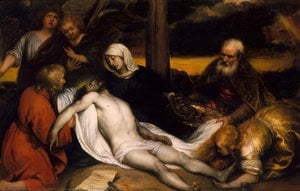
Wzlot na szczyty sławy i wczesne sukcesy
Niezwykły talent Jana Lievensa objawił się niemal od samego początku jego drogi twórczej. Już w wieku zaledwie dwunastu lat ugruntował swoją pozycję jako niezależny artysta w Lejdzie, co stanowiło niebywałe osiągnięcie dla dziecka w tak młodym wieku. Ta wczesna samodzielność nie była jedynie kwestią biegłości technicznej, lecz znakiem talentu, który domagał się natychmiastowego uznania. Jego zdolność do poruszania się w niezwykle konkurencyjnym świecie sztuki Niderlandów została przypieczętowana, gdy jego dzieła zaczęły przyciągać wzrok najwyższych warstw holenderskiej arystokracji.
Kopia dzieła Democriet & Herakliet autorstwa Cornelisa van Haarlema przykuła uwagę Maurycego Orańskiego, księcia Niderlandów. Ten królewski zainteresowanie zostało pogłębione przez portret jego matki, Machtelt Jans van Noortzant, który również zwrócił uwagę księcia. Tak wczesne mecenat zapewnił mu fundament prestiżu, który towarzyszył mu przez całą karierę. Reputacja artysty rosła nieustannie, wykraczając poza lokalne kręgi Lejdy i sięgając poziomów międzynarodowych. W wieku trzydziestu jeden lat jego pozycja była już tak ugruntowana, że otrzymał zaproszenie na dwór brytyjski, co wyznaczyło jego przejście od statusu lokalnego talentu do rangi postaci o znaczeniu europejskim.
Współpraca i warsztat w Amsterdamie
Wczesne lata kariery, którą prowadził Jan Lievens, zostały zdefiniowane przez głęboką, twórczą bliskość z Rembrandtem van Rijnem. Po zakończeniu szkolenia w Amsterdamie, obaj artyści przez około pięć lat dzielili wspólną pracownię – był to czas intensywnego, wzajemnego oddziaływania, który trwał aż do 1631 roku. Był to okres wspólnych ambicji i technicznych eksperymentów. Ich partnerstwo nie było jedynie kwestią fizycznej bliskości; była to funkcjonalna współpraca, w ramach której wspólnie stworzyli ponad dwie tuziny obrazów, rysunków i rycin. Ogromna skala ich wspólnych dokonań stworzyła złożoną historię dla wielu dzieł z tej epoki, gdyż granice między ich indywidualnymi stylami często ulegały zatarciu.
Jan Lievens często zwracał się do swojego przyjaciela i kolegi z zawodu, prosząc go o pozowanie, wykorzystując znajome rysy twarzy rówieśnika do zgłębiania niuansów charakteru i ekspresji. Ta intymność panująca w pracowni pozwalała na błyskawiczną wymianę idei dotyczących kompozycji oraz światła. Choć ich współpraca była niezwykle owocna, stanowiła również czas intensywnej rywalizacji. Dwaj mężczyźni pracowali ramię w ramię, każdy dążąc do udoskonalenia własnego stylu, który ostatecznie poprowadził ich ku odmiennym ścieżkom w Londynie, Antwerpii i innych metropoliach. Ich czas spędzony w Amsterdamie pozostaje istotnym rozdziałem wspólnego rozwoju, naznaczonym ogromną energią dwóch młodych talentów, którzy dopiero co odnajdywali swoje miejsce w rozkwitającym Złotym Wieku Holandii.
Mecenasi, zlecenia i międzynarodowa kariera
Niezwykły talent, jakim cieszył się Jan Lievens, przyciągnął uwagę, która wymusiła na nim życie w nieustannym ruchu. Jego wczesny sukces w Lejdzie, przypieczętowany uznaniem księcia Orańskiej, Maurycjusza I Nassau, wyznaczył kierunek kariery zdominowanej przez prestiżowych mecenasów. To wczesne uznanie otworzyło mu drzwi do najwyższych sfer europejskiego społeczeństwa, prowadząc go z dala od znanych kręgów Amsterdamu ku bardziej kosmopolitycznej egzystencji. Stał się postacią pożądaną przez tych, którzy potrzebowali zarówno formalnego portretu, jak i wielkich, epickich narracji historycznych.
Jego profesjonalna trajektoria była naznaczona znaczącymi zmianami między najważniejszymi europejskimi ośrodkami. Podróżował do Londynu i Antwerpii, by ostatecznie służyć jako malarz dworski zarówno w Hadze, jak i w Berlinie. Te nominacje wprowadziły go w służbę rodzin królewskich, burmistrzów i licznych ratuszy, utwierdzając jego pozycję w politycznej i społecznej tkance epoki. Zdolność adaptacji do wymagań tak różnorodnych patronów pozwoliła mu na utrzymanie stałego strumienia zleceń podczas wszystkich podróży.
Szeroki wachlarz jego twórczości odzwierciedlał zróżnicowane gusta klienteli. Niezależnie od tego, czy pracował dla arystokracji w Berlinie, czy wypełniał obowiązki obywatelskie w Niderlandach, Jan Lievens z maestrią poruszał się w gąszczu międzynarodowego popytu. Jego obecność na różnych dworach sprawiła, że jego styl nie został uwięziony w jednej, regionalnej tradycji, lecz został ukształtowany przez zmieniające się prądy kulturowe miast, w których przyszło mu tworzyć.
Technika i styl artystyczny
Jan Lievens dysponował biegłością techniczną, która pozwalała mu z niezwykłą swobodą poruszać się w zmieniającej się estetyce siedemnastego wieku. Jego twórczość często stanowiła harmonijne połączenie osadzonych w rzeczywistości detali realizmu z dramatycznymi uniesieniami baroku. Artysta ten wykazywał się szczególnym talentem w posługiwaniu się światłocieniem, czyli techniką chiaroscuro, która poprzez ostre kontrasty między światłem a cieniem budowała poczucie trójwymiarowości oraz głębi psychologicznej postaci. To podejście, silnie inspirowane nurtem caravaggistów, pozwalało mu wyłaniać twarze i tekstury z gęstego, nastrojowego mroku. Umiejętność operowania światłem nie służyła mu jedynie celom widowiskowym; było to precyzyjne narzędzie, którym definiował samą esencję swoich tematów.
W swoim warsztacie Jan Lievens okazał się prawdziwym mistrzem techniki olejnej. Stosował wyrafinowane metody laserunku, nakładając na siebie kolejne warstwy koloru, co pozwalało mu uzyskać świetlistość oraz subtelne przejścia tonalne, nadające płótnom niezwykłą głębię. Ta drobiazgowość przejawiała się również w jego zdolności do tworzenia dzieł o monumentalnej skali, wykazując rzadki talent do malowania w wymiarach naturalnych. Niezależnie od tego, czy oddawał miękki połysk drogocennej tkaniny, czy spękaną skórę starszego człowieka, jego pociągnięcia pędzla pozostawały precyzyjne i pełne kontroli. Kompozycje artysty często dążyły do osiągnięcia harmonii i równowagi, nawet gdy operował intensywnym oświetleniem tak charakterystycznym dla jego epoki.
- The Raising of Lazarus (1631)
- Portrait of a Girl (1630)
- Young Man in a Yellow Robe (1630)
Wybitne dzieła i arcydzieła
Wczesna twórczość, którą pozostawił Jan Lievens, ukazuje niemal muzyczną grację, zaklętą w ciszy jego tematów. W 1625 roku stworzył The Violin Player, dzieło będące świadectwem technicznej precyzji jego formacyjnych lat. Już w 1629 roku jego fascynacja tymi motywami zaowocowała obrazem The Lute Player. Kompozycje te dowodzą niezwykłej biegłości w operowaniu światłem i formą na długo przed tym, zanim jego nazwisko stało się powszechnie rozpoznawalne w całej Europie.
Rok 1631 zapisał się w historii jako czas intensywnej rywalizacji twórczej i stylistycznych eksperymentów. Jego olejowe płótno przedstawiające The Raising of Lazarus pozostaje jednym z najważniejszych osiągnięć tego okresu. Obraz ten charakteryzuje się stonowaną paletą barw oraz głębokim poczuciem tajemnicy, gdzie blade światło z trudem przebija się przez gęsty mrok. To dzieło pełne powściągliwości, skupione na duchowym napięciu sceny, a nie na widowiskowych, gwałtownych gestach.
W późniejszych latach Jan Lievens zwrócił się ku bardziej złożonym tematom alegorycznym. W cyklu The Four Elements and Ages of Man odnajdziemy Fire and Childhood z 1668 roku, który ukazuje jego niesłabnące panowanie nad teksturą i atmosferą obrazu. Zdolność do adaptacji własnego stylu w odpowiedzi na wymagania różnorodnych mecenasów pozwoliła mu utrzymać silną pozycję w świecie sztuki – od brukowanych uliczek Leidy do królewskich dworów Berlina.
- The Raising of Lazarus (1631)
- The Violin Player (1625)
- The Lute Player (1629)
- The Four Elements and Ages of Man: Fire and Childhood (1668)
Dziedzictwo i wpływ historyczny
Jan Lievens zajmował wyjątkową pozycję w epoce Złotego Wieku Holandii – czasie zdefiniowanym przez intensywną rywalizację artystyczną i gwałtowną ewolucję stylów. Jego kariera była nierozerwalnie związana z cieniem rzucanym przez Rembrandta van Rijn, co zaowocowało relacją będącą jednocześnie owocną zawodowo i skomplikowaną z perspektywy historycznej. Choć ich wczesna współpraca w Lejdzie i Amsterdamie pomogła ukształtować język wizualny tej epoki, bliskość ich talentów stworzyła trwałą niejednoznaczność w przekazie historii sztuki. Przez stulecia rozróżnienie między ich warsztatami bywało zatarte, co doprowadziło do znaczącego spadku indywidualnego uznania dla jego twórczości po śmierci artysty.
Ta utrata tożsamości artystycznej wynikała w dużej mierze z błędnej atrybucji jego płócien. Wiele z jego dzieł przypisywano innym mistrzom, a w szczególności Rembrandtowi, gdyż kolekcjonerzy i spadkobiercy dążyli do maksymalizacji wartości swoich zbiorów. Takie zamieszanie sprawiało, że specyficzny wkład Lievensa był często wchłaniany przez szerszą narrację tworzoną przez jego współczesnych. Dopiero w połowie XIX wieku jego odrębny styl został na nowo odkryty przez badaczy pragnących rozplątać skomplikowaną sieć siedemnastowiecznego malarstwa holenderskiego. Ta reewaluacja pozwoliła na pełniejsze zrozumienie jego niezwykłej zdolności do poruszania się między holenderskim realizmem a zmysłowymi wpływami tradycji flamandzkiej i weneckiej.
- Zmartwychwstanie Łazarza (1631)
- Autoportret (ok. 1629–1630)
- Młody człowiek w żółtej szacie (1630)
Gdzie dziś można podziwiać jego dzieła
Fizyczna obecność twórczości, którą pozostawił Jan Lievens, jest rozproszona po wielu międzynarodowych instytucjach, co stanowi żywe świadectwo kariery pełnej ruchu między najważniejszymi ośrodkami Złotego Wieku Holandii. W samej Holandii jego ślad odnajdziemy w prestiżowym Mauritshuis, gdzie zachowano jego wkład w wizualny język tej epoki. Jego obecność w kraju jest odczuwalna również poprzez liczne kolekcje muzealne, przechowujące jego obrazy i rysunki, co pozwala podtrzymać więź z jego leydenskim rodowodem.
W Stanach Zjednoczonych jego prace znajdują się w kilku znamienitych zbiorach. The Leiden Collection w Nowym Jorku posiada znaczącą liczbę jego dzieł, oferując skoncentrowany wgląd w dorobek artysty. Z kolei w Norton Simon Museum w Pasadenie można odnaleźć jego pejzaże, w tym konkretnie widok miasta. Te zbiory pozwalają na głęboką analizę jego niezwykłej zdolności do operowania zarówno intymnym portretem, jak i rozległym, malowniczym krajobrazem.
Inne istotne dzieła znalazły swoje stałe miejsce w wyspecjalizowanych galeriach. Brighton Museum & Art Gallery jest strażnikiem jego przedstawienia Zmartwychwstania Łazarza z 1631 roku – dzieła, które niegdyś dzieliło pracownię z jego najsłynniejszym współczesnym. Aby w pełni zrozumieć pełnię jego artystycznego wyrazu, warto udać się do tych konkretnych miejsc:
- Zmartwychwstanie Łazarza, Brighton Museum & Art Gallery
- Pejzaż z widokiem na miasto, Norton Simon Museum
- Różne dzieła, The Leiden Collection, Nowy Jork
Pytania i odpowiedzi
Jak znaleźć wszystkie dzieła Jan Lievens wykonane w danej technice?
Aby znaleźć wszystkie dzieła artysty Jan Lievens wykonane w danej technice, odwiedź stronę Wszystkie techniki.
Jak popularne są dzieła artysty Jan Lievens?
Dla artysty Jan Lievens dostępna jest strona Statystyki odwiedzin, która prezentuje statystyki dotyczące jego dzieł w serwisie niniejsza strona.
W jakim mieście i kraju urodził(a) się Jan Lievens?
Jan Lievens urodził się w Lejda w Holandia.