x
Podgląd w skaliPodgląd w skali Podgląd ARPodgląd AR Zamów wydruk Zamów wydrukKup obraz wysokiej rozdzielczości Kup obraz wysokiej rozdzielczości Wyślij jako kartkęWyślij jako kartkę
Szczegóły dziełaSzczegóły dzieła Dodaj do ulubionych Dodaj do ulubionych PobierzPobierz Podobne obiektyPodobne obiekty RTGRTG Pokaz slajdówPokaz slajdów

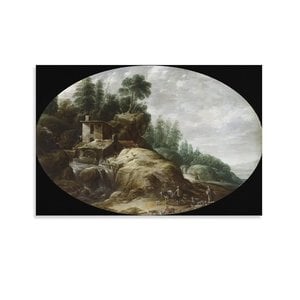
Mountainous Landscape

Gillis I Peeters’ "Mountainous Landscape" (c. 1630) showcases Baroque realism & dramatic chiaroscuro. Explore this oval oil painting of a rugged landscape with figures, reflecting nature's power.

Gillis Peeters (1612-1653) was a Flemish painter known for vibrant landscapes & marine art, including Brazilian scenes from his travels. Explore his idyllic visions and collaboration with artists like David Teniers the Younger.

Ręcznie malowana reprodukcja olejowa

Ręcznie malowany obraz olejny na płótnie, wykonany na zamówienie przez naszych artystów w wybranym przez Ciebie wymiarze i oprawie. (Zamów wydruk Zamów wydrukKup obraz wysokiej rozdzielczości Kup obraz wysokiej rozdzielczości)

Standardowy rozmiar
na wymiar
CM
INCH

Wybierz spośród naszych standardowych rozmiarów, które zachowują oryginalne proporcje dzieła sztuki.

szerokość
wysokość

Możesz wprowadzić własne wymiary, aby dopasować obraz do konkretnej ramy lub przestrzeni. Jeśli wybrany rozmiar nie będzie odpowiadał proporcjom oryginału, przytniecie dzieło sztuki lub rozszerzymy je o dodatkowe elementy, ręcznie domalowane przez artystę. Przed rozpoczęciem produkcji wyślemy projekt cyfrowy do Twojej akceptacji.
Należy pamiętać, że podgląd na ekranie nie odzwierciedla rzeczywistego przycinania ani rozszerzania obrazu. Tylko projekt dokładnie pokaże ostateczną kompozycję.
Choć oferujemy możliwość zamówienia niestandardowych rozmiarów, zalecamy wybór wymiaru z gotowej listy, aby zachować oryginalne proporcje dzieła.

Przykłady możliwych zmian: Zamień twarz na zdjęcie klienta; Dodaj zwierzę domowe (np. zamień kota na psa); Ukryj wiadomość w tle; Zmień krajobraz lub elementy tła.
Po złożeniu zamówienia zespół WahooArt.com skontaktuje się z klientem drogą mailową w celu uzyskania instrukcji i prześle wizualizację projektu

Dostawa na całym świecie () w ciągu 3–4 tygodni zamiast standardowych 5 tygodni. (29 Sierpień). Bez kompromisów w kwestii jakości.

why_choose_icon
Bezpłatna ekspresowa wysyłka na cały świat
why_choose_icon
Wysokiej jakości płótno lniane
why_choose_icon
Pełne ubezpieczenie przesyłki
why_choose_icon
Gwarancja zwrotu należności celnych i podatków importowych
why_choose_icon
Gwarancja wiernego odwzorowania kolorów
why_choose_icon
Polityka 60-dniowego zwrotu (tylko w przypadku wad)
why_choose_icon
Gwarancja 100% zwrotu kosztów
why_choose_icon
Zniżka przy zamówieniu wielu produktów

Suma całkowita

$ 322

reproduction

Mountainous Landscape

Technika reprodukcji

Wymiary reprodukcji

-

Cena całkowita

$ 322


O artyście

The Verdant Visions of Gillis Peeters

In the golden age of Flemish Baroque, few artists captured the intersection of terrestrial beauty and maritime exploration as poignantly as Gillis Peeters. Born in the vibrant artistic hub of Antwerp in 1612, Peeters was a product of a lineage deeply embedded in the craft of painting. He emerged from a family of remarkable talent, including his siblings Catharina, Jan, and Bonaventura, whose collective work helped define the landscape and marine traditions of the seventeenth century. His early years were shaped by the rigorous training characteristic of the Antwerp Guild of Saint Luke, where he achieved master status in 1634 alongside his brother. This foundation allowed him to weave together the technical precision of the Flemish tradition with a burgeoning sense of worldly curiosity.

The artistry of Peeters was never static; it was an evolving dialogue between the established masters and the uncharted territories of the New World. While his early stylistic inclinations drew heavily from the atmospheric, idealized landscapes of Paul Bril, he moved away from mere imitation to find a voice that favored tonal subtlety over grandiosity. His work often eschewed the opulent, dramatic flourishes seen in the works of Rubens, opting instead for a more tranquil, contemplative approach to nature. This sensitivity to light and atmosphere allowed him to transform simple vistas into emotive experiences, where the play of shadow across a meadow or the soft haze over a distant riverbank invited the viewer into a state of quiet wonder.

Voyages to the Brazilian Frontier

Perhaps the most defining chapter of Peeters’ life was his role as a visual chronicler of colonial expansion. Unlike many of his contemporaries who remained tethered to the European landscape, Peeters’ spirit was one of adventure. It is widely believed that he undertook expeditions to Brazil, likely traveling in the company of Johan Maurits van Nassau-Siegen, the governor of Dutch Brazil. These journeys, potentially occurring around 1636 and 1640, fundamentally altered the trajectory of his oeuvre. He was not merely a traveler but an observer tasked with documenting the lush, exotic vistas of a burgeoning colonial enterprise.

These Brazilian commissions represent a monumental achievement in his career, as they bridged the gap between European landscape conventions and the raw, vibrant reality of South American ecology. His paintings from this period served a dual purpose: they were aesthetic triumphs that captured the breathtaking beauty of the tropics, and they functioned as vital visual records for administrators and settlers. Through his brush, the dense foliage and unique light of Brazil were translated into a language understood by the European eye, blending the familiar techniques of Flemish landscape painting with the unprecedented subject matter of the Atlantic frontier.

A Legacy of Light and Water

The historical significance of Gillis Peeters lies in his ability to harmonize the domestic tranquility of Flanders with the expansive horizons of global exploration. His contributions to marine art and landscape painting helped expand the boundaries of what Flemish art could represent, moving it beyond the borders of Europe. Even as he collaborated with figures like his brother Bonaventura or drew inspiration from masters like Anthony Claesz the Younger, Peeters maintained a singular focus on the atmospheric essence of his subjects.

Today, his work remains a testament to an era of profound transition. His paintings are more than mere depictions of scenery; they are windows into a period when the world was rapidly expanding through trade, conquest, and discovery. Whether portraying a quiet watermill in the Belgian countryside or a sun-drenched vista in Brazil, Peeters’ legacy is defined by a masterful command of light and an enduring ability to capture the soul of the landscape.

gillis i peeters

gillis i peeters

1612 - 1653 , Belgium

Krótka nota

  • Artistic Movement Or Style: Landscape Art & Marine Painting
  • Artists Or Movements Influenced By This Artist: ['David Teniers the Younger']
  • Artists Who Influenced This Artist:
    • Paul Bril
    • Lucas van Uden
  • Date Of Birth: Antwerp, Belgium (1612)
  • Date Of Death: 1653
  • Full Name: Gillis I Peeters
  • Nationality: Flemish
  • Notable Artworks:
    • Disembarkation…
    • A hilly landscape with travellers
  • Place Of Birth: Antwerp