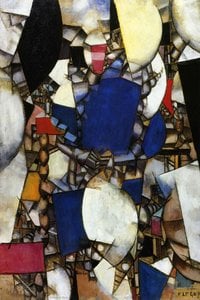
Head constructor (1950) autorstwa Fernand Léger, ręcznie malowana reprodukcja olejowa wykonana przez mistrza
Podgląd w skali 1:1 Podgląd AR Wydruk artystyczny Obraz olejny ręcznie malowany Kup obraz cyfrowy Wyślij jako kartkę
Szczegóły dzieła Karta informacyjna Dodaj do ulubionych Pobierz obraz Podobne obiekty RTG Pokaz slajdów Pytania i odpowiedzi Pobierz prezentację Statystyki

Head constructor (Fernand Léger, 1950) Ręcznie malowana reprodukcja obrazu olejnego

Wymiary
50.0 x 45.0 cm

Ręcznie malowane olejem od zł812 w rozmiarze 33 x 30 cm

Dostępne również jako wydruk Fine Art od zł200

Fernand Léger's 'Head Constructor' is a striking Cubist portrait embodying modernity and industrialization. Bold lines, geometric shapes, and a stark white background create a powerful visual statement of the human form in the machine age.

Atak gazem musztardowym w 1916 roku zmienił jego postrzeganie formy: zwróć uwagę na tubularne kształty w jego okresie mechanicznym.

Ręcznie malowana reprodukcja olejowa

Ręcznie malowany obraz olejny na płótnie, wykonany na zamówienie przez naszych artystów w wybranym przez Ciebie wymiarze i oprawie. ( Wydruk artystyczny Obraz olejny ręcznie malowany Kup obraz cyfrowy )
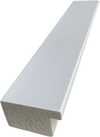
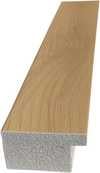
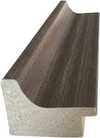
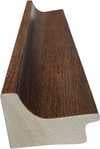
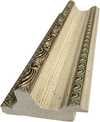
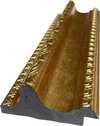
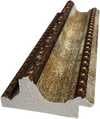
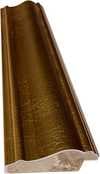
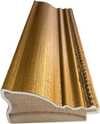
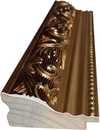
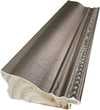
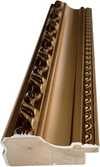
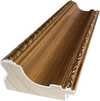
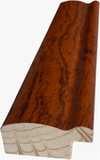
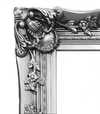
Próbka narożnika ramy obrazu P118B: polistyren formowany, szerokość 5 cm i grubość 3 cm
P118B zł10
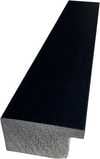
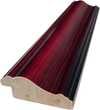
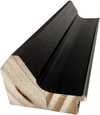
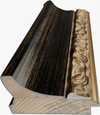
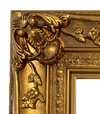
Próbka narożnika ramy obrazu P118H: polistyren formowany, szerokość 5 cm i grubość 3 cm
P118H zł10
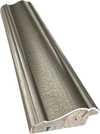
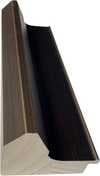
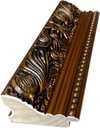
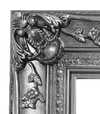
Próbka narożnika ramy obrazu P118W: polistyren formowany, szerokość 5 cm i grubość 3 cm
P118W zł10
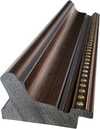
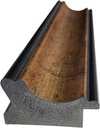
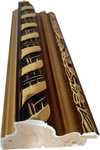
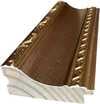
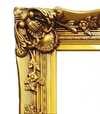
Próbka narożnika ramy obrazu P438Z: polistyren formowany, szerokość 5.5 cm i grubość 3.5 cm
P438Z zł10
Próbka narożnika ramy obrazu P508JH: polistyren formowany, szerokość 7 cm i grubość 3.5 cm
P508JH zł12
Próbka narożnika ramy obrazu P508YH: polistyren formowany, szerokość 7 cm i grubość 3.5 cm
P508YH zł12
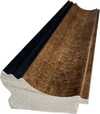
Próbka narożnika ramy obrazu P805H: polistyren formowany, szerokość 5 cm i grubość 3.5 cm
P805H zł10
Próbka narożnika ramy obrazu P805Z: polistyren formowany, szerokość 5 cm i grubość 3.5 cm
P805Z zł10
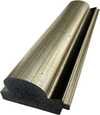
Próbka narożnika ramy obrazu P919BZ: polistyren formowany, szerokość 7 cm i grubość 3.5 cm
P919BZ zł10
Próbka narożnika ramy obrazu P919G: polistyren formowany, szerokość 7 cm i grubość 3.5 cm
P919G zł10
Próbka narożnika ramy obrazu P919XJ: polistyren formowany, szerokość 7 cm i grubość 3.5 cm
P919XJ zł10
Próbka narożnika ramy obrazu P959ZH: polistyren formowany, szerokość 5 cm i grubość 3 cm
P959ZH zł10
Próbka narożnika ramy obrazu P968JZ: polistyren formowany, szerokość 6 cm i grubość 4 cm
P968JZ zł12
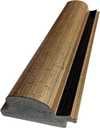
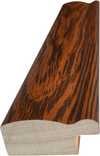
Próbka narożnika ramy obrazu W106C: lite drewno, szerokość 5 cm i grubość 3 cm
W106C zł8
Próbka narożnika ramy obrazu W218G: lite drewno, szerokość 5 cm i grubość 3 cm
W218G zł10
Próbka narożnika ramy obrazu W218JH: lite drewno, szerokość 5 cm i grubość 3 cm
W218JH zł8
Próbka narożnika ramy obrazu W218Y: lite drewno, szerokość 5 cm i grubość 3 cm
W218Y zł10
Próbka narożnika ramy obrazu W307PJ: lite drewno, szerokość 6 cm i grubość 3 cm
W307PJ zł10
Próbka narożnika ramy obrazu W316G: lite drewno, szerokość 6 cm i grubość 3 cm
W316G zł10
Próbka narożnika ramy obrazu W316PJ: lite drewno, szerokość 6 cm i grubość 3 cm
W316PJ zł8
Próbka narożnika ramy obrazu W316Y: lite drewno, szerokość 6 cm i grubość 3 cm
W316Y zł10
Próbka narożnika ramy obrazu W398PJ: lite drewno, szerokość 5 cm i grubość 3 cm
W398PJ zł8
Próbka narożnika ramy obrazu W4111J: lite drewno, szerokość 6.5 cm i grubość 3.5 cm
W4111J zł10
Próbka narożnika ramy obrazu W500HY: lite drewno, szerokość 7 cm i grubość 5 cm
W500HY zł15
Próbka narożnika ramy obrazu W500JH: lite drewno, szerokość 7 cm i grubość 5 cm
W500JH zł15
Próbka narożnika ramy obrazu W692G: lite drewno, szerokość 8 cm i grubość 4 cm
W692G zł12
Próbka narożnika ramy obrazu W849H: lite drewno, szerokość 5 cm i grubość 3 cm
W849H zł8
Próbka narożnika ramy obrazu W940BG: lite drewno, szerokość 7.5 cm i grubość 4.5 cm
W940BG zł15
Próbka narożnika ramy obrazu W953PJ: lite drewno, szerokość 6 cm i grubość 3.5 cm
W953PJ zł8

Wybierz spośród naszych standardowych rozmiarów, które zachowują oryginalne proporcje dzieła sztuki.

szerokość
wysokość

Wpisz wymaganą szerokość i wysokość, aby obraz pasował do Twojej ramy lub ściany. Ponieważ jest to dzieło malowane ręcznie, w przypadku rozmiaru o innych proporcjach artysta może domalować nieco więcej wokół obrazu lub przyciąć jego fragmenty — wybór należy do Ciebie. Przed rozpoczęciem pracy prześlemy Ci cyfrową wizualizację do zatwierdzenia. Obraz widoczny na tej stronie nie przedstawia rzeczywistego efektu — jedynie wizualizacja oddaje realny rezultat.

Standardowy format
personalizowane
CM
CALE

Przykłady możliwych zmian: Zamień twarz na zdjęcie klienta; Dodaj zwierzę domowe (np. zamień kota na psa); Ukryj wiadomość w tle; Zmień krajobraz lub elementy tła.
Po złożeniu zamówienia zespół WahooArt.com skontaktuje się z klientem drogą mailową w celu uzyskania instrukcji i prześle wizualizację projektu

Dostawa na cały świat () w 3/4 tygodnie zamiast standardowych 4/5 tygodni (27 Grudzień). Bez kompromisów w kwestii jakości.

Bezpłatna ekspresowa wysyłka na cały świat
Wysokiej jakości płótno lniane
Pełne ubezpieczenie przesyłki
Gwarancja zwrotu należności celnych i podatków importowych
Gwarancja wiernego odwzorowania kolorów
100 dni na zwrot, gwarancja zwrotu pieniędzy
Gwarancja 100% zwrotu pieniędzy
Zniżka przy zakupie wielu sztuk

Suma całkowita

zł 1220

Head constructor

Technika reprodukcji

Wymiary reprodukcji

-

Cena całkowita

zł 1220

Najważniejsze informacje

  • Artysta: Fernand Léger
  • Data powstania: 1950
  • Technika wykonania: Oil On Canvas
  • Wymiary: 50 x 45 cm
  • Artist: Fernand Léger
  • Influences: Industrial design
  • Year: 1950
  • Movement: Cubism
  • Title: Head Constructor
  • Medium: Oil on canvas

Sprawdź swój wzrok

Do każdego pytania dotyczy tylko jedna poprawna odpowiedź.

Pytanie 1:
What artistic movement is most closely associated with Fernand Léger’s ‘Head Constructor’?
Pytanie 2:
The stark contrast between black lines and a white background in ‘Head Constructor’ primarily serves to:
Pytanie 3:
Based on the description, what material was most likely used to create the original ‘Head Constructor’ painting?
Pytanie 4:
The title 'Head Constructor' suggests that the artwork likely represents:
Pytanie 5:
Fernand Léger’s work during the 1910s and 1920s is characterized by:

A Fragmented Portrait of the Machine Age

Fernand Léger’s “Head Constructor,” painted in 1950, isn't merely a portrait; it’s a distilled essence of the burgeoning modernity that gripped Europe after World War I. This striking monochrome work, rendered in a bold and assertive Cubist style, immediately commands attention with its stark contrast between the solid black outlines and the pristine white background – a deliberate choice that emphasizes the geometric forms at the heart of Léger's vision. The image presents a stylized human head, partially obscured by a simple hat or cap, a subtle detail hinting at a profession or perhaps even anonymity within the rapidly changing urban landscape.

Léger’s approach to Cubism wasn’t about deconstructing reality into an abstract puzzle; rather, he sought to integrate the dynamism and structure of the machine age directly into his representation of the human figure. He viewed industrialization not as a destructive force but as a new form of beauty – one characterized by clean lines, precise angles, and a sense of mechanical order. This is powerfully evident in “Head Constructor,” where the head itself is broken down into a series of interlocking squares, rectangles, and triangles—a deliberate rejection of traditional perspective and a celebration of geometric abstraction. The work feels less like a depiction of an individual and more like a schematic diagram, a blueprint for a new kind of human being shaped by the tools and technologies of his time.

The Language of Form: Cubism and Léger’s Vision

To understand “Head Constructor,” it's crucial to grasp the principles of Cubism as Léger embraced them. Unlike Picasso and Braque, who initially focused on dismantling objects into fragmented planes, Léger retained a sense of volume and three-dimensionality within his compositions. He didn’t entirely abandon representation; instead, he simplified forms to their most essential geometric components, creating an effect that is both abstract and strangely familiar. The thick black lines defining the head, hat, and facial features aren't delicate or subtle—they are assertive and deliberate, conveying a sense of construction and engineering. This bold use of line is characteristic of Léger’s style, which he termed “Tubism,” referencing his fascination with cylindrical forms – a visual echo of the pipes and machinery that dominated the industrial world.

The choice of monochrome—black lines on white—further amplifies this sense of construction. It eliminates any distractions from color, forcing the viewer to focus entirely on the interplay of shapes and lines. This deliberate austerity reflects Léger’s desire to strip away sentimentality and emotionalism, presenting a purely rational and objective view of the human figure. The work evokes a feeling of detachment, almost as if we are observing a machine rather than a person—a powerful statement about the increasing mechanization of modern life.

Symbolism and the Modern Condition

The title itself, “Head Constructor,” offers valuable insight into Léger’s intentions. He was deeply interested in the role of labor and industry in shaping society, and he saw the construction worker as a symbol of progress and innovation. The hat or cap worn by the figure could be interpreted as a uniform—a badge of membership within this new industrial order. The overall effect is one of both celebration and unease; Léger acknowledges the beauty and efficiency of modern technology but also hints at its potential to dehumanize individuals.

“Head Constructor” isn’t simply a depiction of a head; it's a meditation on the nature of humanity in an age of rapid technological change. It’s a work that continues to resonate today, prompting us to consider our relationship with machines and the evolving definition of what it means to be human.

Pytania i odpowiedzi

Czy ta reprodukcja Head constructor jest malowana ręcznie, czy jest to wydruk?

Malowane ręcznie: wykwalifikowany artysta wykonuje olejną kopię Head constructor na płótnie lnianym.

Jaki rozmiar wybrać dla Head constructor?

Wymiary oryginału to 50 x 45 cm. Dostępne rozmiary obejmują zakres od 33.2 x 30.1 cm (zł812) do 241.2 x 218.4 cm (zł7737); tabela na tej stronie przedstawia główne warianty oraz ich ceny.

Ile trwa dostawa?

Czas dostawy wynosi od 4 do 5 tygodni, przy czym oferujemy bezpłatną ekspresową wysyłkę na cały świat; na tej stronie dostępna jest również opcja pilnej produkcji. Możesz dokonać zwrotu w ciągu 100 dni z pełnym zwrotem kosztów, bez żadnych dodatkowych warunków.

Jakiej techniki użył/a Fernand Léger w pracy Head constructor?

Oil On Canvas


Odkryj dzieła sztuki uporządkowane według tematów, stylów i cech charakterystycznych.