Podgląd w skali 1:1 Podgląd AR Zamów ręcznie malowaną reprodukcję Przejdź do wersji cyfrowej Wyślij jako kartkę
Szczegóły dzieła Przewodnik Dodaj do ulubionych Pobierz obraz Podobne obiekty RTG Pokaz slajdów Statystyki

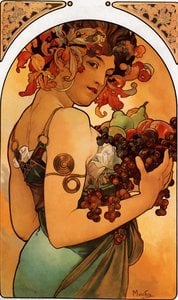
Bieres de la Meuse

Experience the serene elegance of Alphonse Mucha's Bieres de la Meuse, a stunning 1897 Art Nouveau masterpiece capturing tranquil outdoor joy through flowing lines and organic beauty, perfect for your private collection.

Alfons Mucha (1860-1939) – czeski grafik i malarz, twórca Art Nouveau! Jego ikoniczne plakaty kobiet oraz monumentalny „Slav Epic” fascynują widzów i przypominają o bogatej historii sztuki słowiańskiej.

Giclée / Wydruk artystyczny

Wydruki giclée lub płótna o jakości muzealnej, szybka realizacja i szeroki wybór opcji wykończenia. ( Zamów ręcznie malowaną reprodukcję Przejdź do wersji cyfrowej)

Corner sample of the P118B picture frame: polistyren formowany, 5 cm wide and 3 cm thick
P118B zł10
Corner sample of the P118H picture frame: polistyren formowany, 5 cm wide and 3 cm thick
P118H zł10
Corner sample of the P118W picture frame: polistyren formowany, 5 cm wide and 3 cm thick
P118W zł10
Corner sample of the P438Z picture frame: polistyren formowany, 5.5 cm wide and 3.5 cm thick
P438Z zł10
Corner sample of the P508JH picture frame: polistyren formowany, 7 cm wide and 3.5 cm thick
P508JH zł12
Corner sample of the P508YH picture frame: polistyren formowany, 7 cm wide and 3.5 cm thick
P508YH zł12
Corner sample of the P805H picture frame: polistyren formowany, 5 cm wide and 3.5 cm thick
P805H zł10
Corner sample of the P805Z picture frame: polistyren formowany, 5 cm wide and 3.5 cm thick
P805Z zł10
Corner sample of the P919BZ picture frame: polistyren formowany, 7 cm wide and 3.5 cm thick
P919BZ zł10
Corner sample of the P919G picture frame: polistyren formowany, 7 cm wide and 3.5 cm thick
P919G zł10
Corner sample of the P919XJ picture frame: polistyren formowany, 7 cm wide and 3.5 cm thick
P919XJ zł10
Corner sample of the P959ZH picture frame: polistyren formowany, 5 cm wide and 3 cm thick
P959ZH zł10
Corner sample of the P968JZ picture frame: polistyren formowany, 6 cm wide and 4 cm thick
P968JZ zł12
Corner sample of the W106C picture frame: lite drewno, 5 cm wide and 3 cm thick
W106C zł8
Corner sample of the W218G picture frame: lite drewno, 5 cm wide and 3 cm thick
W218G zł10
Corner sample of the W218JH picture frame: lite drewno, 5 cm wide and 3 cm thick
W218JH zł8
Corner sample of the W218Y picture frame: lite drewno, 5 cm wide and 3 cm thick
W218Y zł10
Corner sample of the W307PJ picture frame: lite drewno, 6 cm wide and 3 cm thick
W307PJ zł10
Corner sample of the W316G picture frame: lite drewno, 6 cm wide and 3 cm thick
W316G zł10
Corner sample of the W316PJ picture frame: lite drewno, 6 cm wide and 3 cm thick
W316PJ zł8
Corner sample of the W316Y picture frame: lite drewno, 6 cm wide and 3 cm thick
W316Y zł10
Corner sample of the W398PJ picture frame: lite drewno, 5 cm wide and 3 cm thick
W398PJ zł8
Corner sample of the W4111J picture frame: lite drewno, 6.5 cm wide and 3.5 cm thick
W4111J zł10
Corner sample of the W500HY picture frame: lite drewno, 7 cm wide and 5 cm thick
W500HY zł15
Corner sample of the W500JH picture frame: lite drewno, 7 cm wide and 5 cm thick
W500JH zł15
Corner sample of the W692G picture frame: lite drewno, 8 cm wide and 4 cm thick
W692G zł12
Corner sample of the W849H picture frame: lite drewno, 5 cm wide and 3 cm thick
W849H zł8
Corner sample of the W940BG picture frame: lite drewno, 7.5 cm wide and 4.5 cm thick
W940BG zł15
Corner sample of the W953PJ picture frame: lite drewno, 6 cm wide and 3.5 cm thick
W953PJ zł8

Standardowy format
personalizowane
CM
INCH

Wybierz spośród naszych standardowych rozmiarów, które zachowują oryginalne proporcje dzieła sztuki.

szerokość
wysokość

Wpisz wymaganą szerokość i wysokość, aby dopasować grafikę do ramy lub ściany. Wydruk można jedynie przyciąć, nigdy nie powiększając go poza oryginalny obraz, dlatego format o innych proporcjach spowoduje utratę części kompozycji. Przed rozpoczęciem druku prześlemy Ci cyfrowy podgląd do zatwierdzenia. Obraz wyświetlany na tej stronie nie pokazuje rzeczywistego przycięcia — jedynie podgląd oddaje ten efekt.

Dostawa na cały świat () w ciągu 2 tygodni zamiast standardowych 4/5 tygodni. (28 Październik)

Bezpłatna ekspresowa wysyłka na cały świat
Wysokiej jakości płótno lniane
Pełne ubezpieczenie przesyłki
Gwarancja zwrotu należności celnych i podatków importowych
Gwarancja wiernego odwzorowania kolorów
100-dniowa polityka zwrotów (tylko w przypadku wad)
Gwarancja 100% zwrotu pieniędzy
Zniżka przy zakupie wielu sztuk

Suma całkowita

zł 262

Bieres de la Meuse

Giclée / Wydruk artystyczny

Wymiary reprodukcji

-

Cena całkowita

zł 262

Najważniejsze informacje

  • Movement: Art Nouveau
  • Artistic style: Art Nouveau
  • Dimensions: 105 x 155 cm
  • Title: Bieres de la Meuse
Alphonse Maria Mucha, a renowned artist of the late 19th and early 20th centuries, is celebrated for his contributions to the Art Nouveau movement. One of his notable works, Bieres de la Meuse, created in 1897, showcases his mastery of capturing the essence of everyday life with elegance and sophistication.

Artistic Style and Influence

Mucha's style is characterized by flowing lines, organic forms, and a blend of realism and fantasy. In Bieres de la Meuse, he employs these elements to depict a serene outdoor scene where people are enjoying wine in a natural setting. The painting exudes a sense of tranquility and joy, reflecting the artist's ability to infuse his works with a deep sense of human connection.

Composition and Details

The composition of Bieres de la Meuse is noteworthy for its balance and harmony. A woman sits at a table, sipping from a wine glass, while other figures are seen in the background, some standing and others seated. The inclusion of a bird perched on one of the tables adds a touch of whimsy to the scene. Mucha's attention to detail is evident in the intricate patterns on the clothing and the natural surroundings, which are rendered with precision and beauty.

Art Nouveau and Its Significance

As an Art Nouveau piece, Bieres de la Meuse embodies the movement's principles of emphasizing flowing curves and organic forms. This style was a reaction against the rigidity of traditional art forms and sought to bring art into everyday life. Mucha's work in this genre helped popularize Art Nouveau, making it accessible and admired by a wide audience.

Relevance and Legacy

Today, Bieres de la Meuse is recognized as a significant piece of Art Nouveau art. It reflects the cultural and artistic trends of its time while continuing to captivate viewers with its timeless beauty. The painting's enduring appeal lies in its ability to evoke feelings of serenity and communal joy, making it a cherished work in the world of art. For those interested in exploring more of Mucha's works or learning about Art Nouveau, Bieres de la Meuse and other pieces by the artist can be found on WahooArt. Additionally, the Wikipedia page on Alphonse Maria Mucha provides a comprehensive overview of his life and artistic contributions. In conclusion, Bieres de la Meuse by Alphonse Maria Mucha is a masterpiece that encapsulates the essence of Art Nouveau. Its beauty, harmony, and attention to detail make it a captivating piece that continues to inspire art lovers today.

Pytania i odpowiedzi

Kiedy powstało i w jakim nurcie utrzymane jest dzieło „Bieres de la Meuse” – Alfons Mucha?

„Bieres de la Meuse” – Alfons Mucha datowane jest na 1897 rok i reprezentuje nurt Art Nouveau.

Gdzie mogę kupić wydruk „Bieres de la Meuse” – Alfons Mucha?

Odbitkę dzieła „Bieres de la Meuse” – Alfons Mucha można zamówić bezpośrednio na stronie Wydruk artystyczny premium: szlachetna odbitka na płótnie bawełnianym lub archiwalnym papierze o strukturze płótna.

Jaki dominujący odcień przenika „Bieres de la Meuse” – Alfons Mucha?

Dominującym odcieniem dzieła „Bieres de la Meuse” – Alfons Mucha jest Golden Yellow Range. Odcień ten stanowi bazową tonację palety barw.


Biografia artysty

Wczesne Lata i Edukacja

Alphonse Maria Mucha urodził się 15 lipca 1860 roku w Ivancice, małym miasteczku w Morawskiej Brandenburgii (dzisiejsza Czechia). Już od najmłodszych lat wykazując talent artystyczny, Mucha fascynował się malarstwem i dekoracjami. Początkowo uczył się rysunku samodzielnie, a następnie studiował na Akademii Sztuk Pięknych w Pradze, choć szybko znużyło go tradycyjne podejście do sztuki. W 1887 roku przeniósł się do Paryża, aby realizować swoje własne wizje artystyczne i odnaleźć swój unikalny styl.

Styl Artystyczny i Znaczące Dzieła

Muchy twórczość charakteryzuje się wyjątkowym stylem Art Nouveau – secesją, który łączy w sobie eleganckie linie, organiczne formy i wrażenie ruchu. Był pod wpływem takich artystów jak Pierre-Auguste Renoir i Gustave Moreau, a jego prace często odzwierciedlają piękno i delikatność, które były popularne w tamtych czasach. Jednym z najbardziej rozpoznawalnych elementów jego stylu jest przedstawianie idealizowanych kobiet w płynnych szatach, otoczonych bujnymi kwiatami i liśćmi – symbolami kobiecości, natury i piękna. Mucha był mistrzem w tworzeniu kompozycji, które emanowały harmonią i subtelnym wdziękiem.

Do jego najważniejszych dzieł należą:

  • Powstanie Słowiańskie – obraz, który łączy tradycyjne motywy słowiańskie z nowoczesnymi elementami Art Nouveau, ukazując bogatą historię i kulturę regionu.
  • Salon des Cent – monumentalna instalacja wystawowa, która zapoczątkowała jego międzynarodową karierę.
  • Obrazy inspirowane dziełami Gustava Moreau, takimi jak Córki Tespia i Szaleńczą Drużynę Gobelinów – świadectwo jego fascynacji symbolizmem i literaturą.
  • Ilustracje oparte na obrazie Młyniarki Leniny autorstwa Sir Huberta von Herkomera – przykład połączenia sztuki i codziennego życia.

Sukces z Sarah Bernhardt

Przełom w karierze Muchy nastąpił dzięki współpracy z słynną aktorką Sarah Bernhardt. W 1894 roku zaprojektował dla niej plakat do spektaklu Gismonda, który natychmiast stał się hitem i zapewnił mu uznanie publiczne oraz możliwość dalszej pracy z Bernhardt. Wraz z aktorką stworzył serię efektownych plakatów, które stały się synonimem Art Nouveau w Paryżu. Współpraca ta nie tylko przyniosła mu sławę, ale także otworzyła drogę do realizacji ambitnych projektów artystycznych.

Wsparcie Charlesa Richarda Crane’a i Slav Epic

W 1903 roku Mucha otrzymał wsparcie finansowe od amerykańskiego przemysłowca Charlesa Richarda Crane'a, który był pasjonatem kultury słowiańskiej. Dzięki temu mógł podjąć się monumentalnego projektu – stworzenia serii 20 obrazów przedstawiających epikę słowiańską, znanej jako Slav Epic (1912-1930). Praca nad tymi dziełami zajęła mu wiele lat i stała się jego najważniejszym osiągnięciem artystycznym. Slav Epic to nie tylko monumentalne dzieło sztuki, ale także świadectwo pasji Muchy do historii i kultury swojego regionu.

Późniejsze Lata i Dziedzictwo

Po I wojnie światowej Mucha kontynuował swoją twórczość, projektując znaczki pocztowe, banknoty oraz dokumenty rządowe dla nowo powstałej Czechosłowacji. Zmarł 14 lipca 1939 roku w Pradze, pozostawiając po sobie bogate dziedzictwo artystyczne i wpływ na rozwój Art Nouveau. Jego prace znajdują się w muzeach i kolekcjach na całym świecie, a jego styl inspiruje kolejne pokolenia artystów.

Alfons Mucha

Alfons Mucha

1860 - 1939 , Czechy

Krótka nota

  • Artistic Movement Or Style: Secesja, Art Nouveau
  • Artists Or Movements Influenced By This Artist:
    • Pro-Rafaelská škola
    • Rossetti
  • Artists Who Influenced This Artist:
    • Renoir
    • Moreau
  • Date Of Birth: 15 lipca 1860
  • Full Name: Alphonse Maria Mucha
  • Nationality: Czeski
  • Notable Artworks:
    • Slavský vzpour
    • Salon des Cent
    • Dcery Tespia
    • La Ribambelle des Gobelins
    • Rozklaďáci
  • Place Of Birth: Brno, Czechy