
Gratis kunstkonsultasjon

x
Bestill trykk Bestill trykkKjøp digitalt bilde Kjøp digitalt bilde SendSend
DetaljerDetaljer Legg til i favoritter Legg til i favoritter Last ned bildetLast ned bildet Liknende objekterLiknende objekter RøntgenRøntgen LysbildefremvisningLysbildefremvisning

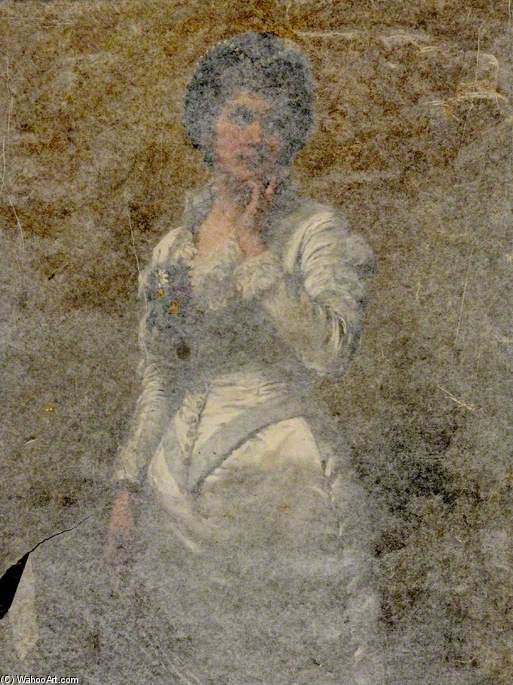
Hark

Discover Charles William Oliver’s captivating portraits & landscapes from 1805-1853. British artist known for detailed realism, royal commissions & scenes of Victorian life.

Håndlaget oljereproduksjon

Håndmalt olje på lerret i din valgte størrelse og ramme, laget på bestilling av våre kunstnere.

Standard
custom
CM
INCH

Velg mellom våre forhåndsdefinerte størrelser som bevarer kunstverkets opprinnelige proporsjoner.

bredde
høyde

Du kan angi egne mål for å tilpasse en spesifikk ramme eller plass. Dersom den valgte størrelsen ikke samsvarer med originalbildets proporsjoner, vil vi enten beskjære kunstverket eller utvide maleriet med ytterligere håndmalte elementer. En digital mockup vil bli sendt til din godkjenning før produksjonen starter.
Vennligst merk at forhåndsvisningen på skjermen ikke gjenspeiler den faktiske beskjæringen eller utvidelsen. Kun mockuppen vil vise den endelige komposisjonen nøyaktig.
Selv om tilpassede størrelser er tilgjengelige, anbefaler vi å velge et mål fra den forhåndsdefinerte listen for å bevare de originale proporsjonene.

Eksempler på hva som kan endres: Erstatt ansikt med bilde av kunden; Legg til kjæledyr (f.eks. bytt ut katt med hund); Inkluder en skjult melding i bakgrunnen; Endre bakgrunnslandskap eller elementer.
Etter bestilling vil WahooArt.com-teamet sende e-post til kunden for instruksjoner og sende et utkast (mockup) som forhåndsvisning.

Verdensomspennende levering () på 3–4 uker i stedet for standard 5 uker. (5 July). Ingen kompromisser med kvaliteten.

why_choose_icon
Gratis ekspressfrakt over hele verden
why_choose_icon
Lerretsduk av høykvalitets lin
why_choose_icon
Full forsikring under transport
why_choose_icon
Garanti for refusjon av toll og importavgifter
why_choose_icon
Garantert korrekt fargegjengivelse
why_choose_icon
60 dagers returrett (kun ved feil)
why_choose_icon
100% pengene tilbake-garanti
why_choose_icon
Rabatt ved flere kjøp

Totalpris for bestilling

-

reproduction

Hark

Teknikk for reproduksjon

Størrelse på reproduksjon

-

Endelig pris

-


Om kunstneren

A Life Painted in Light: The Story of William Oliver

William Oliver, a name perhaps less heralded than some of his contemporaries, nevertheless occupies a significant place within the tapestry of 19th-century British art. Born in Sudbury, Suffolk, around 1804 – though precise details remain elusive – Oliver dedicated his life to capturing the beauty of the English countryside and the quiet dignity of its people through both oil and watercolour. He was an artist deeply attuned to the nuances of light and atmosphere, a skill that would define his career and earn him recognition amongst discerning collectors and art societies. While biographical information is somewhat fragmented, piecing together accounts from exhibition records, auction catalogues, and recent scholarship reveals a dedicated painter who travelled extensively across Europe, honing his craft and developing a distinctive style rooted in detailed realism yet imbued with a romantic sensibility.

Early Career and Artistic Development

Oliver first exhibited at the Society of British Artists in 1829, presenting scenes that immediately showcased his talent for landscape painting. These early works, like *A Beach Scene in Kent* and *Fish Boat*, were not merely topographical representations; they hinted at a deeper engagement with the emotional resonance of place. Over the following decades, he consistently contributed to the Society’s exhibitions, building a reputation for meticulous observation and skillful execution. He wasn't confined to his native England, however. Oliver embarked on journeys that took him through France, Spain, Italy, Switzerland, and Germany, each location offering new subjects and challenges. The Pyrenees mountains held particular allure, inspiring numerous paintings characterized by dramatic vistas and evocative lighting. This period of travel was crucial in shaping his artistic vision, broadening his palette and refining his technique. He became known for painting views in oils but chiefly in watercolours, a medium that allowed him to capture the fleeting effects of light with remarkable sensitivity.

Influences and Artistic Style

While Oliver developed a unique voice, he wasn’t working in isolation. The influence of John Constable, the master of English landscape painting, is readily apparent in his work – particularly in Oliver's dedication to capturing the natural world with scientific accuracy and emotional depth. However, Oliver diverged from Constable’s more overtly dramatic compositions, favouring a quieter, more contemplative approach. He shared an affinity for Romanticism, but tempered its grand gestures with a meticulous attention to detail that aligned him with the prevailing aesthetic sensibilities of Victorian Britain. His paintings are characterized by a sense of tranquility and harmony, inviting viewers to immerse themselves in the beauty of the scenes depicted. The artist’s skill lay not just in replicating what he saw, but in conveying the feeling of being *in* those landscapes – the crispness of the air, the warmth of the sun, the stillness of the water.

Royal Commissions and Recognition

Oliver's talent didn’t go unnoticed by the upper echelons of British society. He received royal commissions, a testament to his skill in portraiture as well as landscape painting. These portraits, while less widely known than his landscapes, demonstrate his ability to capture not only physical likeness but also the character and personality of his sitters. His success with these commissions further solidified his position within the art world and provided him with financial stability. In 1834, he was elected a full member of the New Society (later the Royal Institute) of Painters, a prestigious honour that acknowledged his artistic achievements and cemented his standing amongst his peers.

Legacy and Historical Significance

William Oliver’s life ended prematurely in November 1853 at Langley Mill House, Halstead, Essex, due to hypertrophy of the heart. Despite his relatively short career, he left behind a substantial body of work that continues to captivate audiences today. While not as widely celebrated as some of his contemporaries, Oliver's paintings offer a valuable glimpse into the Victorian appreciation for landscape and portraiture. His dedication to detailed realism, combined with his sensitivity to light and atmosphere, makes him a significant figure in the history of British art. He represents a bridge between the Romantic tradition and the more refined aesthetic sensibilities of the Victorian era, offering a unique perspective on the beauty and tranquility of 19th-century life. The rediscovery of his work continues to shed light on a talented artist whose contributions deserve greater recognition.
william oliver

william oliver

1805 - 1853 , United Kingdom

Kort om kunstneren

  • Artistic Movement Or Style: Victorian Landscape Painting
  • Artists Or Movements Influenced By This Artist: ['Romanticism']
  • Artists Who Influenced This Artist: ['John Constable']
  • Date Of Birth: 1805
  • Date Of Death: 1853
  • Full Name: William Oliver
  • Nationality: British
  • Notable Artworks:
    • Pyrenean Views
    • West Country Landscapes
  • Place Of Birth: Halstead, Essex





































