Gratis kunstkonsultasjon

x
Bestill maleri Bestill maleriKjøp digitalt bilde Kjøp digitalt bilde SendSend
DetaljerDetaljer Legg til i favoritter Legg til i favoritter Last ned bildetLast ned bildet Liknende objekterLiknende objekter RøntgenRøntgen LysbildefremvisningLysbildefremvisning

The Annunciation

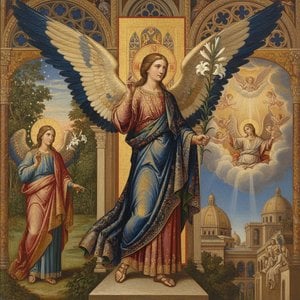
Witness the divine! Sandro Botticelli’s "Annunciation" (1489-90) captures Gabriel's momentous announcement to Mary, a masterpiece of Early Renaissance art in Florence.

Sandro Botticelli (1445-1510): En italiensk maler kjent for 'Skapelsen' og 'Våren'. Hans elegante stil og mytologiske temaer er et symbol på renessansen.

Giclée / Kunsttrykk

Giclée- eller lerretsprint av museumskvalitet med rask produksjon og fleksible valgmuligheter for etterbehandling.

P118B $10
P118H $10
P118W $10
P438Z $10
P508JH $12
P508YH $12
P805H $10
P805Z $10
P919BZ $10
P919G $10
P919XJ $10
P959ZH $10
P968JZ $12
W106C $8
W218G $10
W218JH $8
W218Y $10
W307PJ $10
W316G $10
W316PJ $8
W316Y $10
W398PJ $8
W4111J $10
W500HY $15
W500JH $15
W692G $12
W849H $8
W940BG $15
W953PJ $8

Standard
custom
CM
INCH

Velg mellom våre forhåndsdefinerte størrelser som bevarer kunstverkets opprinnelige proporsjoner.

bredde
høyde

Du kan oppgi egne mål for å tilpasse en spesifikk ramme eller et bestemt område. Dersom den valgte størrelsen ikke samsvarer med det originale bildets proporsjoner, vil vi enten beskjære kunstverket eller utvide bildet med en speilet eller ensfarget kant. En digital mockup vil bli sendt til din godkjenning før produksjonen starter.
Vennligst merk at forhåndsvisningen på skjermen ikke gjenspeiler den faktiske beskjæringen eller utvidelsen. Kun mockuppen vil vise den endelige komposisjonen nøyaktig.
Selv om tilpassede størrelser er tilgjengelige, anbefaler vi å velge et mål fra den forhåndsdefinerte listen for å bevare de originale proporsjonene.

Verdensomspennende levering () på 2 uker i stedet for standard 4/5 uker. (3 July)

why_choose_icon
Gratis ekspressfrakt over hele verden
why_choose_icon
Lerretsduk av høykvalitets lin
why_choose_icon
Full forsikring under transport
why_choose_icon
Garanti for refusjon av toll og importavgifter
why_choose_icon
Garantert korrekt fargegjengivelse
why_choose_icon
60 dagers returrett (kun ved feil)
why_choose_icon
100% pengene tilbake-garanti
why_choose_icon
Rabatt ved flere kjøp

Totalpris for bestilling

-

reproduction

The Annunciation

Giclée / Kunsttrykk

Størrelse på reproduksjon

-

Endelig pris

-

Kort om verket

  • Year: 1489-1490
  • Influences:
    • Classical texts
    • Humanism
  • Artist: Sandro Botticelli
  • Movement: Early Renaissance
  • Title: The Annunciation
  • Subject or theme: Annunciation story
  • Location: Uffizi Gallery, Florence

Kunstighetsquiz

Det er kun ett riktig svar på hvert spørsmål.

Spørsmål 1:
What is the primary subject depicted in Sandro Botticelli’s ‘The Annunciation’?
Spørsmål 2:
The painting features a complex composition divided by what element?
Spørsmål 3:
What is the significance of the Latin text found beneath the original frame of ‘The Annunciation’?

Beskrivelse av samleobjektet

The Annunciation: A Florentine Vision of Divine Grace

Sandro Botticelli’s “The Annunciation,” painted circa 1489-1490 and now residing within the hallowed halls of the Uffizi Gallery in Florence, is more than just a depiction of a pivotal biblical moment; it's a shimmering distillation of Renaissance ideals – a harmonious blend of classical elegance, burgeoning humanism, and profound spiritual contemplation. This tempera painting, commissioned by the church of the Florentine convent of Cestello, offers a glimpse into Botticelli’s unique artistic vision, one that resonated deeply with his contemporaries and continues to captivate viewers centuries later.

At first glance, the scene unfolds within a meticulously rendered garden setting, a space both earthly and imbued with an ethereal quality. The composition is cleverly divided by a series of elegant pillars, creating two distinct zones: on one side stands the Archangel Gabriel, depicted in motion as he approaches Mary, his gesture conveying urgency and divine revelation. His robes are rich in color – deep blues and purples signifying his celestial origin – while his face holds an expression of solemnity and reverence. Opposite him, we find Mary kneeling at her prie-dieu, a simple wooden bench that symbolizes her humility and devotion. Her posture is one of quiet contemplation as she receives Gabriel’s momentous announcement.

Beneath the figures, the floor is covered with an intricate geometric pattern – a hallmark of Botticelli's style. These repeating shapes aren’t merely decorative; they create a powerful illusion of depth and perspective, drawing the eye into the heart of the scene and reinforcing the sense of spatial harmony. Notably, beneath the original frame of the painting were inscribed words from St. Luke’s Gospel: ‘The Holy Ghost shall come upon thee, and the power of the Highest shalt thou overshadow; therefore also that holy thing which shall be born of thee shall be called the Son of God.’ This inscription underscores the central theological message of the work – the miraculous conception of Jesus through Mary.

Botticelli’s Renaissance Synthesis

Botticelli's artistic journey was deeply influenced by a confluence of factors that defined the Florentine Renaissance. The rediscovery of classical texts and artifacts, particularly those from Greece and Rome, fueled his fascination with idealized beauty and harmonious proportions. Simultaneously, the rise of humanism—a philosophical movement emphasizing human potential and earthly experience—encouraged artists to explore themes of mythology and virtue alongside religious subjects. Botticelli masterfully synthesized these influences in “The Annunciation,” creating a work that is both profoundly spiritual and strikingly beautiful.

He drew upon late Italian Gothic traditions, evident in the flowing drapery and delicate figures, yet he also embraced the innovations of the burgeoning Renaissance, notably the development of linear perspective. This technique—which creates an illusion of depth on a flat surface—is subtly employed here to enhance the painting’s realism and spatial coherence. Botticelli's use of color is equally noteworthy; he favored rich, vibrant hues – particularly blues and reds – that contribute to the work’s overall luminosity and emotional impact.

Symbolism and Spiritual Depth

Beyond its formal beauty, “The Annunciation” is laden with symbolic meaning. The garden setting itself represents paradise, a realm of innocence and divine grace. Gabriel's presence signifies God’s intervention in human affairs, while Mary’s acceptance embodies her willingness to embrace her destiny as the Mother of God. The inclusion of two cherubs—one near the top and another closer to the bottom—adds a touch of youthful exuberance and reinforces the miraculous nature of the event.

The painting also subtly references classical mythology, particularly the story of Joachim and Anna, the biblical parents of Mary. This connection adds layers of meaning and underscores the theme of divine providence – the belief that God orchestrates events in accordance with his plan. The overall effect is a profound meditation on faith, humility, and the transformative power of grace.

Reproductions: Bringing Botticelli’s Vision to Life

Botticelli's “The Annunciation” remains one of the most beloved and enduring works of the Early Renaissance. Its exquisite beauty, intricate detail, and profound symbolism continue to inspire artists and captivate audiences worldwide. WahooArt offers meticulously crafted, hand-painted reproductions that faithfully capture the essence of this masterpiece. Our skilled artisans utilize only the finest materials – traditional oil paints on archival canvas – to create stunning replicas that will grace your home or office for generations to come.

Whether you are a discerning collector, an art enthusiast, or simply seeking a timeless work of art to enhance your space, our “The Annunciation” reproduction provides an unparalleled opportunity to experience the beauty and spiritual depth of Botticelli’s vision. Visit https://WahooArt.com today to explore our selection and bring this iconic masterpiece into your life.


Om kunstneren

Early Life and Florentine Beginnings

Sandro Botticelli, egentlig Alessandro di Mariano di Vanni Filipepi, ble født i Firenze rundt 1445 – en tid preget av enestående kulturell oppblomstring, den tidlige renessansen. Hans liv var dypt forankret i byens kunstneriske og sosiale stoff, uten å ha tråkket langt fra sitt nabolag Ognissanti, et bevis på både familiære bånd og det levende kreative økosystemet som pleiet ham. Faren hans, Mariano Filipepi, startet som guldsmed og senere tanner, og ga ham en tidlig eksponering for håndverk og metisjon – kvaliteter som ville påvirke Botticellis kunstneriske tilnærming i stor grad. Selv om første rapporter antydet at han fikk utdanning som gulssmed, fant han snart sin kall under veiledningen av Fra Filippo Lippi, en fremtredende maler av sin tid. Dette lærerskapet var avgjørende, og dyptet ham i teknikkene og estetikkene til den florentinske skolen, samtidig som det knyttet ham til innflytelsesrike mecenater som familien Medici.

A Style Defined by Grace and Myth

Botticellis kunstneriske stil er umiddelbart gjenkjennelig for sin lyriske skjønnhet, preget av elegant linje, flytende konturer og en delikat bruk av farger. Han mestret gapet mellom de sene gotiske tradisjonene og den gryende renessanseæstetikken, og absorberte innflytelser fra mestere som Fra Angelico og Paolo Uccello, men skapte likevel en unik personlig visjon. Hans figurer har en eterisk kvalitet, ofte avbildet med forlengers proporsjoner og elegante positurer som formidler både ro og en subtil melankoli. En definerende egenskap ved hans arbeid er den hyppige inkluderingen av klassisk mytologi – et speilbilde av de humanisteriske interessene som strømmet gjennom renessanse-Firenze. Han illustrerte ikke bare disse gamle fortellingene; han innpreget dem med nye lag av mening, og utforsket temaer som kjærlighet, skjønnhet og åndelig lengsel.

Botticellis teknikk var innovativ for sin tid. Han brukte ofte en sølvstift-tegningsmetode under maling av sine lerret, noe som bidro til luminøsiteten og den delikate detaljeringen i hans ferdige verk. Hans bruk av temperafarger tillot presis gjengivelse og livlige farger, mens hans senere eksperimenter med oljemaling utvidet hans uttrykksmuligheter.

Iconic Masterpieces and Artistic Development

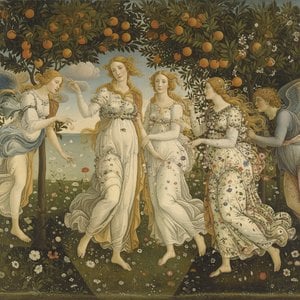
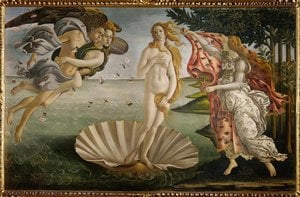
Botticelli’s arv hviler på en håndfull ikoniske malerier som fortsatt fengsler publikum århundrer etter. The Birth of Venus, ferdigstilt rundt 1486, står som kanskje hans mest berømte verk – en allegorisk fremstilling av gudinnen som stiger ut av en sjøpelyd, og representerer renessanseidéene om skjønnhet og harmoni. Dens elegante komposisjon, delikate fargepalett og suggestive symbolikk har gjort den til et vedvarende symbol på epoken. Like berømt er Primavera, skapt rundt 1482, en kompleks og gåtefull maleri som feirer vår og kjærlighet, befolket av symbolske figurer hentet fra klassisk mytologi. Disse verkene viser Botticellis mesterskap i komposisjon, hans evne til å skape atmosfærisk dybde og hans dype forståelse for menneskelige følelser.

Hans kunstneriske reise utfoldet seg i distinkte faser. De tidlige 1470-årene så han fokusere på religiøse emner, og finpusset sine tekniske ferdigheter og etablerte en rykte for dyktig utførelse. 1480-tallet markerte toppen av hans kreative krefter, med skapelsen av hans mest berømte mytologiske malerier. Likevel vitnet de sene 1490-årene om et skifte i stilen hans, påvirket av den lidenskapelige prekenen til Girolamo Savonarola – en dominikanerklosterordens prest som fordømte det han så på som dekadanse og moralsk korrupsjon i Firenze. Denne perioden resulterte i mer austere og emosjonelt ladde verk, reflektert av økende åndelig intensitet.

Major Works

  • The Birth of Venus (c. 1486): An iconic depiction embodying Renaissance ideals of beauty.
  • Primavera (c. 1482): A complex allegorical painting celebrating spring and love.
  • Adoration of the Magi (1475-1476): Demonstrates early mastery of composition and perspective.
  • Mystic Nativity (1501): Reflects a shift towards spiritual themes in his later career.

Legacy and Rediscovery

Etter sin død i 1510, forsvant Botticelli’s rykte gradvis inn i glemselen. I nesten tre hundre år ble hans verk stort sett gjenkjent, overskygget av prestasjonene til renessanse-mestere som Leonardo da Vinci og Michelangelo. Likevel skjedde det en bemerkelsesverdig gjenoppdagelse i sen 1800-tall med fremveksten av Pre-Raphaelittene – en gruppe engelske kunstnere som avviste akademiske konvensjoner og søkte inspirasjon i kunsten fra den tidlige italienske renessansen. De ble fascinert av Botticellis lineære eleganse, livlige farger og poetiske sans, og anerkjente ham som en slektning. Denne gjenoppblomstringen utløste en omfattende omsynsvurdering av hans arbeid, etablerte ham som en av de viktigste kunstnerne i den tidlige renessansen. I dag feires han for sin unike kunstneriske visjon, hans mesterskapsteknik og hans vedvarende evne til å fremkalle skjønnhet, følelser og åndelig kontemplasjon. Hans innflytelse kan sees i etterfølgende generasjoner av kunstnere som har søkt å fange den samme følelsen av eleganse og raffinement i sitt eget arbeid. Han er et symbol på florentinsk kunstnerisk prestasjon og et vitnesbyrd om renessansen humanistiske kraft.



Sandro Botticelli

Sandro Botticelli

1445 - 1510 , Italia

Kort om kunstneren

  • Artistic Movement Or Style: Tidlig renessanse
  • Artists Or Movements Influenced By This Artist: ['Pre-Raphaelitter']
  • Artists Who Influenced This Artist:
    • Fra Angelico
    • Paolo Uccello
  • Date Of Birth: c. 1445
  • Date Of Death: 1510
  • Full Name: Alessandro di Mariano Filipepi
  • Nationality: Italiensk
  • Notable Artworks:
    • Venus' fødsel
    • Våren
  • Place Of Birth: Florence, Italia
Utforsk kunstverk organisert etter temaer, stiler og kjennetegn.