x
ForhåndsvisningForhåndsvisning Se i ARSe i AR Kjøp trykk Kjøp trykkKjøp bilde Kjøp bilde SendSend
Vis detaljerVis detaljer Legg til i favoritter Legg til i favoritter Last ned bildetLast ned bildet Liknende objekterLiknende objekter RøntgenundersøkelseRøntgenundersøkelse LysbildefremvisningLysbildefremvisning

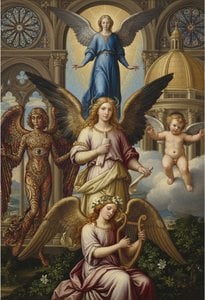
Bladelin Triptych (exterior)

Rogier van der Weyden (1400-1464): En mester i følelsesladde religiøse malerier, med rik fargebruk og nøyaktig detaljering. Oppdag 'Lamentasjon' & mer!

Håndlaget oljereproduksjon

Håndmalt olje på lerret i din valgte størrelse og ramme, laget på bestilling av våre kunstnere. (Kjøp trykk Kjøp trykkKjøp bilde Kjøp bilde)

P118B $10
P118H $10
P118W $10
P438Z $10
P508JH $12
P508YH $12
P805H $10
P805Z $10
P919BZ $10
P919G $10
P919XJ $10
P959ZH $10
P968JZ $12
W106C $8
W218G $10
W218JH $8
W218Y $10
W307PJ $10
W316G $10
W316PJ $8
W316Y $10
W398PJ $8
W4111J $10
W500HY $15
W500JH $15
W692G $12
W849H $8
W940BG $15
W953PJ $8

Standardformat
skreddersydd
CM
INCH

Velg mellom våre forhåndsdefinerte størrelser som bevarer kunstverkets opprinnelige proporsjoner.

bredde
høyde

Du kan angi egne mål for å tilpasse en spesifikk ramme eller plass. Dersom den valgte størrelsen ikke samsvarer med originalbildets proporsjoner, vil vi enten beskjære kunstverket eller utvide maleriet med ytterligere håndmalte elementer. En digital mockup vil bli sendt til din godkjenning før produksjonen starter.
Vennligst merk at forhåndsvisningen på skjermen ikke gjenspeiler den faktiske beskjæringen eller utvidelsen. Kun mockuppen vil vise den endelige komposisjonen nøyaktig.
Selv om tilpassede størrelser er tilgjengelige, anbefaler vi å velge et mål fra den forhåndsdefinerte listen for å bevare de originale proporsjonene.

Eksempler på hva som kan endres: Erstatt ansikt med bilde av kunden; Legg til kjæledyr (f.eks. bytt ut katt med hund); Inkluder en skjult melding i bakgrunnen; Endre bakgrunnslandskap eller elementer.
Etter bestilling vil WahooArt.com-teamet sende e-post til kunden for instruksjoner og sende et utkast (mockup) som forhåndsvisning.

Verdensomspennende levering () på 3–4 uker i stedet for standard 5 uker. (29 August). Ingen kompromisser med kvaliteten.

why_choose_icon
Gratis ekspressfrakt over hele verden
why_choose_icon
Lerretsduk av høykvalitets lin
why_choose_icon
Full forsikring under transport
why_choose_icon
Garanti for refusjon av toll og importavgifter
why_choose_icon
Garantert korrekt fargegjengivelse
why_choose_icon
60 dagers returrett (kun ved feil)
why_choose_icon
100% pengene tilbake-garanti
why_choose_icon
Rabatt ved flere kjøp

Totalpris for bestilling

$ 272

reproduction

Bladelin Triptych (exterior)

Teknikk for reproduksjon

Størrelse på reproduksjon

-

Endelig pris

$ 272

Kort om verket

  • Movement: Early Netherlandish Renaissance
  • Artist: Rogier van der Weyden
  • Year: 1480
  • Location: Private Collection
  • Artistic style: Psychological depth; Naturalism
  • Medium: Oil on panel
  • Notable elements or techniques: Emotional realism; Detailed drapery rendering

A Window into Devotion: Examining Rogier van der Weyden’s “Bladelin Triptych (exterior)”

Rogier van der Weyden’s “Bladelin Triptych,” completed around 1480, stands as a testament to the burgeoning humanist spirit of the Burgundian Netherlands while simultaneously anchoring itself firmly in the traditions of medieval religious art. This monumental panel painting, housed currently in Kunsthistorisches Museum Vienna, transcends mere depiction; it strives for an emotional resonance that captures the essence of faith and contemplation—a feat achieved through masterful technique and profound symbolic layering.

  • Subject Matter: The exterior scene portrays two serene angels seated within a richly appointed library or study chamber. Their posture exudes tranquility, reflecting the contemplative atmosphere intended for viewers.
  • Style & Technique: Van der Weyden’s signature style is characterized by an unparalleled level of realism—a departure from earlier Gothic conventions—combined with meticulous attention to detail. He employs oil paint on panel, utilizing glazing techniques that create luminous surfaces and imbue the figures with palpable warmth. The artist's painstaking rendering of drapery folds and facial expressions exemplifies his dedication to capturing human emotion with astonishing accuracy.
  • Historical Context: Created during a period marked by intellectual curiosity and artistic innovation, “Bladelin Triptych” reflects the humanist ideals championed by Erasmus and other thinkers of the time. However, it retains the solemn piety characteristic of devotional art—a deliberate choice intended to inspire spiritual reflection in its audience.
  • Symbolism: The inclusion of books symbolizes knowledge and divine wisdom – central tenets of Christian theology. The vase positioned centrally serves as a visual anchor, representing purity and grace, mirroring the angelic figures’ serene demeanor.

The Artist's Vision: Emotion and Naturalism in Early Netherlandish Painting

Rogier van der Weyden wasn’t merely striving for photographic realism; he sought to convey profound psychological depth—a hallmark of what would become known as ‘tenebrismo,’ or chiaroscuro. Like Hugo van der Goes, Van der Weyden skillfully manipulated light and shadow to heighten emotional impact, guiding the viewer's gaze and emphasizing key elements within the composition. This approach distinguishes him from his predecessors and establishes him as a pioneer in capturing human experience with unprecedented sensitivity.

  • Influence: Van der Weyden’s influence extended far beyond his immediate contemporaries, shaping the artistic sensibilities of subsequent generations. His meticulous attention to detail and expressive portrayal of emotion served as inspiration for artists across Europe.
  • Legacy: “Bladelin Triptych” remains a cornerstone of Early Netherlandish art—a masterpiece that continues to captivate audiences with its beauty and intellectual richness. Its enduring appeal testifies to Van der Weyden’s ability to transcend stylistic conventions and communicate universal themes of faith, contemplation, and human dignity.

Exploring the Reproduction: Bringing “Bladelin Triptych” into Your Space

A high-quality reproduction of “Bladelin Triptych” offers a remarkable opportunity to experience the artistic brilliance of Rogier van der Weyden firsthand. WahooArt’s meticulous printing process ensures that colors are faithfully reproduced, capturing the luminous quality of Van der Weyden's glazing technique. This stunning artwork can elevate any interior space, fostering a sense of serenity and intellectual stimulation—a reflection of the original masterpiece’s profound emotional impact.

  • Material Quality: WahooArt utilizes archival-grade canvas and pigment inks to guarantee that your reproduction will retain its vibrancy for decades to come.
  • Framing Options: Enhance your artwork display with expertly crafted frames designed to complement the painting’s aesthetic qualities—creating a harmonious visual experience.

Om kunstneren

A Master of Emotion: The Life and Legacy of Rogier van der Weyden

Rogier van der Weyden, born around 1400 in the bustling city of Tournai, nestled within what is now Belgium, emerged as a pivotal figure in the blossoming world of Early Netherlandish painting. While details surrounding his early life remain somewhat elusive, it’s believed he initially honed his skills not with brush and pigment alone, but as a goldsmith – a craft that instilled within him an unwavering dedication to meticulous detail and a refined sensibility for craftsmanship; qualities that would become hallmarks of his artistic style. The precision demanded by working with precious metals undoubtedly translated into the exquisite rendering of textures, fabrics, and expressions that define his masterpieces. He wasn’t merely depicting reality; he was recreating it with painstaking accuracy, imbued with an almost reverent attention to detail.

From Tournai to Brussels: A Rising Star

By 1427, van der Weyden had ascended to the rank of master within the Guild of Saint Luke in Tournai – a significant turning point, solidifying his position as a professional artist and opening doors to important commissions. His ascent continued when he entered the service of Philip the Good, Duke of Burgundy, in 1435 – a patronage that would profoundly shape his career for the remainder of his life. Serving as court painter afforded him not only financial security but also access to an elite circle of influence and exposure to some of the most discerning eyes of the era. It was during this period that van der Weyden’s artistic vision truly began to mature, moving away from the somewhat rigid conventions of earlier Netherlandish painters towards a more emotionally resonant and naturalistic approach. He wasn't simply painting religious scenes; he was striving to evoke genuine feeling in the viewer, to create an experience that transcended mere observation.

The Language of Feeling: Style and Technique

Rogier van der Weyden’s artistic signature is immediately recognizable through several defining characteristics. His palette was remarkably rich and diverse, a vibrant tapestry of colors carefully chosen to avoid repetition and create depth and complexity within his compositions. He possessed an extraordinary ability to convey profound emotion – *pathos* – particularly in depictions of religious subjects like the Lamentation, where grief and sorrow are palpable. This emotional intensity wasn’t achieved through dramatic gestures or exaggerated expressions; rather, it was subtly woven into the very fabric of the painting, conveyed through delicate nuances of facial expression, body language, and composition. His figures, while adhering to the conventions of the time, demonstrate a growing interest in realistic representation – not just in anatomy and drapery, but also in capturing the psychological states of his subjects. They possess a dignified, almost sculptural quality, particularly evident in his grand triptychs, lending them an air of solemnity and reverence. He masterfully employed oil paint, building up layers of translucent glazes to achieve luminous effects and create a sense of depth and realism that was revolutionary for its time.

Notable Works and Enduring Masterpieces

Throughout his prolific career, van der Weyden produced numerous works that stand as testaments to his artistic prowess. *St Luke Drawing a Portrait of the Madonna*, housed in the Museum of Fine Arts, Boston, showcases his mastery of oil on panel and meticulous observation. The *Lamentation*, residing in the Musée des Beaux-Arts Tournai, Belgium, is perhaps his most celebrated work – a powerfully emotive depiction of Christ’s mourning, renowned for its dramatic use of *chiaroscuro* and its ability to evoke profound sorrow in the viewer. Multiple versions of *The Deposition* exist, each demonstrating his skill in conveying grief and drama with breathtaking sensitivity. The *Annunciation*, a masterpiece of refined style and attention to detail, exemplifies his ability to imbue even the most traditional subjects with a sense of freshness and vitality. And finally, the intricate and richly detailed *Bladelin Triptych* stands as a monumental achievement – a complex altarpiece that showcases the full range of van der Weyden’s artistic abilities. These works, and many others, continue to captivate audiences today, solidifying his position as one of the most important painters of the 15th century.

Rogier van der Weyden's Legacy

Van der Weyden’s influence extended far beyond the borders of his native Flanders. His works were highly sought after throughout Europe, particularly in Italy and Spain, where they introduced a new level of emotional depth and naturalism to local artistic traditions. Although his fame experienced a period of relative decline in the 17th century, a rediscovery during the 19th century cemented his place as one of the most important painters of the 15th century. He stands alongside Jan van Eyck and Robert Campin as one of the “three great” Early Flemish masters, each contributing uniquely to the development of Northern Renaissance art. His innovative techniques and emotionally charged compositions paved the way for future generations of artists, inspiring countless imitators and influencing the course of Western painting for centuries to come. He helped establish oil painting as the dominant medium and elevated the status of the artist within society, transforming them from skilled craftsmen into revered creators. Rogier van der Weyden’s legacy continues to resonate today, a testament to his enduring genius and his profound understanding of the human condition.

Rogier van der Weyden

Rogier van der Weyden

1400 - 1464 , Belgia

Kort om kunstneren

  • Artistic Movement Or Style: Flemish primitivister
  • Artists Or Movements Influenced By This Artist: ['Italia renessanse']
  • Artists Who Influenced This Artist:
    • Robert Campin
    • Jan van Eyck
  • Date Of Birth: c. 1400
  • Date Of Death: 1464
  • Full Name: Rogier van der Weyden
  • Nationality: Belgier
  • Notable Artworks:
    • Nedtagelsen fra korset
    • Lamentation
    • Annunciatio
  • Place Of Birth: Tournai, Belgia
Utforsk kunstverk organisert etter temaer, stiler og kjennetegn.